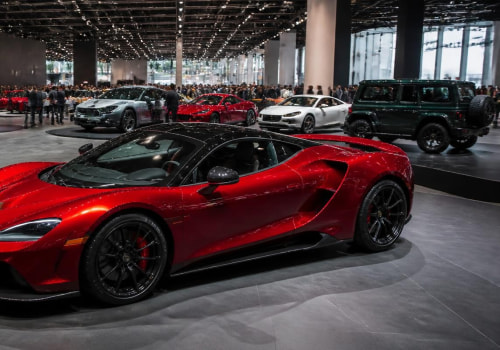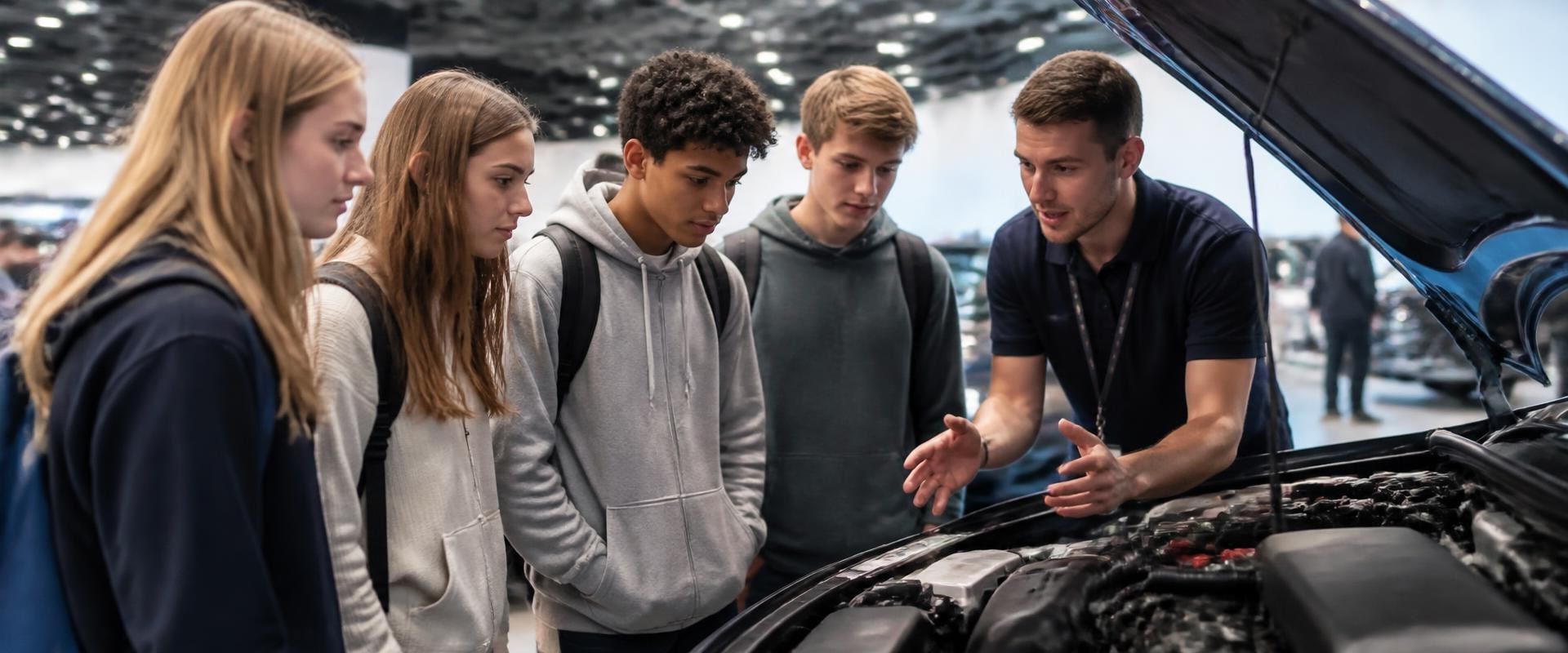
Motor shows have long been a cornerstone of the automotive industry, serving as vibrant platforms where manufacturers unveil their latest innovations and enthusiasts gather to celebrate their passion for vehicles. These events are not just about showcasing new models; they also play a crucial role in shaping the future of mobility. As the automotive landscape evolves with advancements in technology and sustainability, motor shows are increasingly incorporating educational and informational sessions that cater to a diverse audience. These sessions provide invaluable insights into various aspects of the automotive world, from emerging technologies like electric vehicles and autonomous driving to discussions on environmental impact and industry trends. Attendees can engage with experts, participate in workshops, and attend panel discussions that delve into the complexities of the automotive sector.
This shift towards education at motor shows reflects a growing recognition of the need for informed consumers and industry professionals alike. Moreover, the inclusion of educational components enhances the overall experience of motor shows, transforming them into comprehensive events that not only showcase vehicles but also foster knowledge sharing and community engagement. As more people seek to understand the implications of their automotive choices, these sessions serve as a bridge between manufacturers and consumers, ensuring that everyone is equipped with the information necessary to navigate this dynamic industry.
What Are Motor Shows?
Motor shows are large-scale exhibitions that showcase the latest innovations, designs, and technologies in the automotive industry. These events serve as a platform for manufacturers to unveil new models, concept cars, and advancements in automotive technology. The history of motor shows dates back to the late 19th century, with the first official motor show held in Paris in 1898. Since then, these events have evolved into significant cultural and commercial gatherings that attract automotive enthusiasts, industry professionals, and the general public.There are several types of motor shows, each catering to different audiences and purposes:- International Motor Shows: These are large-scale events held in major cities around the world, such as the Geneva International Motor Show and the Los Angeles Auto Show.
They feature a wide array of global manufacturers and attract international media attention.
- Regional Motor Shows: Smaller than international shows, regional events focus on local markets and often highlight regional manufacturers. Examples include the Chicago Auto Show and the New York International Auto Show.
- Specialty Shows: These events may focus on specific segments of the automotive market, such as electric vehicles or luxury cars. They provide a more targeted experience for attendees interested in niche markets.
The Role of Educational Sessions at Motor Shows
Educational sessions at motor shows play a crucial role in enhancing the overall experience for attendees.These sessions are designed to provide valuable insights into the latest trends, technologies, and innovations within the automotive industry. By attending these sessions, visitors can gain a deeper understanding of the complexities and advancements that shape the future of transportation.
Purpose of Educational Sessions
- Knowledge Sharing: One of the primary purposes of educational sessions is to facilitate knowledge sharing among industry experts, manufacturers, and consumers. This exchange of information helps demystify new technologies and practices.
- Networking Opportunities: These sessions often serve as a platform for networking, allowing attendees to connect with industry leaders, potential partners, and like-minded enthusiasts.
- Skill Development: Workshops and seminars can provide hands-on experiences that enhance skills related to automotive design, engineering, and marketing.
Benefits of Educational Sessions
- Informed Decision-Making: By participating in educational sessions, attendees are better equipped to make informed decisions regarding vehicle purchases or investments in automotive technology.
- Staying Updated: The automotive industry is constantly evolving. Educational sessions help participants stay updated on regulatory changes, safety standards, and emerging trends.
- Enhanced Visitor Experience: Engaging in these sessions enriches the visitor experience at motor shows, transforming a simple exhibition into an interactive learning environment.
By attending these sessions, visitors can enhance their understanding and appreciation of the industry while also contributing to their personal and professional growth.
Types of Educational Sessions Offered
Motor shows are not just about showcasing the latest vehicles; they also serve as a hub for educational sessions that cater to industry professionals, enthusiasts, and the general public. These sessions are designed to inform and engage attendees on various topics related to the automotive world.- Workshops: Workshops at motor shows provide hands-on experiences where participants can learn practical skills. For instance, a workshop might focus on electric vehicle technology, allowing attendees to understand the intricacies of EV systems and charging infrastructure. These interactive sessions often encourage questions and discussions, making them a valuable learning opportunity.
- Seminars: Seminars typically feature expert speakers discussing current trends and innovations in the automotive industry.
Topics may range from sustainability in automotive design to advancements in autonomous driving technology. For example, a seminar might explore how manufacturers are adapting to new environmental regulations, providing insights into future industry standards.
- Panel Discussions: Panel discussions bring together a group of experts to debate and discuss pressing issues in the automotive sector. These sessions often cover topics like consumer behavior, market trends, and the impact of technology on driving habits. Attendees benefit from diverse perspectives and can engage with panelists during Q&A segments.
- Keynote Speeches: Keynote speeches are typically delivered by influential figures in the automotive industry, such as CEOs or renowned engineers.
These speeches set the tone for the event and often highlight major innovations or shifts within the industry. For example, a keynote might focus on the future of mobility and how emerging technologies will shape transportation.
Notable Motor Shows Featuring Educational Content
Motor shows are not just about showcasing the latest vehicles; they also serve as platforms for educational and informational sessions that cater to both industry professionals and the general public. Here are some notable motor shows that stand out for their strong educational components:- Geneva International Motor Show : Renowned for its innovative displays, the Geneva International Motor Show also features a series of seminars and workshops. These sessions cover topics such as automotive technology advancements, sustainability in the automotive industry, and future mobility solutions.
Attendees can engage with experts and gain insights into the latest trends shaping the automotive landscape.
- Los Angeles Auto Show : This major motor show is not only a showcase for new vehicles but also hosts the AutoMobility LA event, which includes a variety of educational panels and discussions. Topics range from autonomous driving technologies to the impact of electric vehicles on urban planning. The sessions are designed to foster dialogue among industry leaders, policymakers, and consumers.
- Detroit Auto Show (North American International Auto Show) : Known for its focus on innovation, the Detroit Auto Show offers a series of educational forums that delve into automotive engineering, design, and marketing strategies. These forums provide valuable networking opportunities for professionals looking to stay ahead in a rapidly evolving industry.
By attending these sessions, participants can enhance their understanding of the automotive world while connecting with like-minded individuals.
How to Find Educational Sessions at Upcoming Motor Shows
Finding educational sessions at upcoming motor shows can greatly enhance your experience, providing insights into the latest trends, technologies, and innovations in the automotive industry. Here are some practical tips to help you locate these valuable sessions:- Check Official Websites: Most major motor shows have dedicated websites that list all scheduled events, including educational sessions. Look for sections labeled "Events," "Schedule," or "Seminars" to find detailed information.
- Follow Social Media Channels: Many motor shows actively promote their events on platforms like Facebook, Twitter, and Instagram. Following these channels can provide real-time updates on session announcements and changes.
- Sign Up for Newsletters: Subscribe to newsletters from the motor show organizers.
This is a great way to receive direct information about upcoming sessions, special guests, and other important details.
- Utilize Event Apps: Some motor shows offer mobile apps that include interactive schedules. These apps often allow you to filter events by type, making it easier to find educational sessions that interest you.
- Network with Industry Professionals: Engaging with fellow attendees or industry experts can lead to recommendations for must-attend sessions. Networking can also provide insights into which topics are trending in the automotive world.
- Create a Schedule: Once you identify the educational sessions you want to attend, create a personalized schedule. This will help you manage your time effectively during the event.
- Arrive Early: Popular sessions may fill up quickly.
Arriving early ensures you secure a spot and gives you time to settle in before the session begins.
- Engage with Speakers: Don’t hesitate to ask questions during Q&A segments. Engaging with speakers can deepen your understanding and provide additional insights.
Frequently Asked Questions About Educational Sessions at Motor Shows
Attending a motor show can be an exciting experience, not just for car enthusiasts but also for those interested in the educational opportunities available. Here are some frequently asked questions regarding educational sessions at motor shows.- What types of educational sessions are offered at motor shows?
Motor shows typically feature a variety of educational sessions, including workshops, panel discussions, and keynote speeches. These sessions often cover topics such as automotive technology advancements, sustainability in the automotive industry, and the future of electric vehicles. - Are these sessions included in the ticket price?
In many cases, access to educational sessions is included with your admission ticket.However, some specialized workshops may require an additional fee or pre-registration. It’s advisable to check the event's official website for specific details.
- How can I find out the schedule for educational sessions?
Most motor shows provide a detailed schedule on their official website or through their event app. This schedule typically includes session times, topics, and speakers, allowing attendees to plan their visit accordingly. - Can I ask questions during these sessions?
Yes! Many educational sessions encourage audience participation. Attendees often have the opportunity to ask questions during Q&A segments following presentations, making it a great chance to engage with industry experts. - Are there any age restrictions for attending educational sessions?
Generally, there are no strict age restrictions for attending educational sessions at motor shows.However, some workshops may be more suitable for adults or industry professionals due to the technical nature of the content.
Conclusion: The Value of Learning at Motor Shows
In conclusion, the presence of educational and informational sessions at motor shows significantly enhances the overall experience for attendees. These sessions provide a unique opportunity for both industry professionals and enthusiasts to gain insights into the latest trends, technologies, and innovations in the automotive world.Throughout this article, we explored various aspects of how these sessions contribute to a deeper understanding of the automotive industry. From expert panels discussing future mobility solutions to hands-on workshops that allow participants to engage with cutting-edge technology, the value of learning at motor shows cannot be overstated.- Networking Opportunities: Educational sessions often attract industry leaders and innovators, providing attendees with invaluable networking opportunities.
- Hands-On Learning: Many motor shows offer interactive workshops where participants can experience new technologies firsthand.
- Expert Insights: Sessions led by industry experts allow attendees to gain knowledge that is not readily available through traditional media.
As motor shows continue to evolve, it is clear that prioritizing educational content will remain essential in attracting diverse audiences and enhancing engagement.Ultimately, whether you are a seasoned professional or a curious newcomer, participating in educational sessions at motor shows can provide you with the tools and knowledge necessary to navigate the rapidly changing landscape of the automotive industry. Embracing these learning opportunities ensures that you leave the event not just entertained, but also informed and inspired.