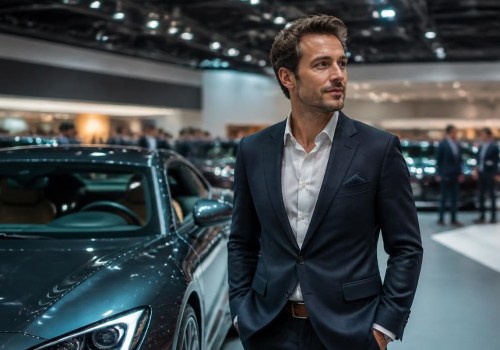
Motor shows are vibrant events that serve as a crucial platform for the automotive industry, showcasing the latest innovations and trends in vehicle design and technology. These exhibitions attract manufacturers, enthusiasts, and the general public alike, creating a unique atmosphere where the future of transportation is unveiled. From concept cars to production models, motor shows highlight the diversity of vehicle types that cater to various consumer needs and preferences.At these events, attendees can expect to see a wide array of vehicles, including electric cars, hybrid models, and traditional combustion engine vehicles. Luxury brands often use motor shows to debut their latest high-end models, while automakers focused on sustainability showcase their advancements in eco-friendly technologies.
Additionally, motor shows frequently feature performance vehicles, which captivate car enthusiasts with their speed and engineering prowess.The significance of motor shows extends beyond mere display; they are pivotal in shaping industry trends and consumer expectations. As automakers compete for attention, they often reveal groundbreaking technologies and design philosophies that influence future vehicle production. This dynamic environment not only fosters innovation but also provides a glimpse into the evolving landscape of the automotive world, making motor shows an essential event for anyone interested in the future of transportation.
Types of Vehicles Typically Showcased at Motor Shows
Motor shows are vibrant events that showcase a diverse array of vehicles, each representing the latest innovations and trends in the automotive industry. The types of vehicles typically showcased at these events can be categorized into several distinct groups:- Production Vehicles: These are the cars that consumers can purchase, often featuring the latest models from various manufacturers.
They highlight advancements in technology, design, and fuel efficiency.
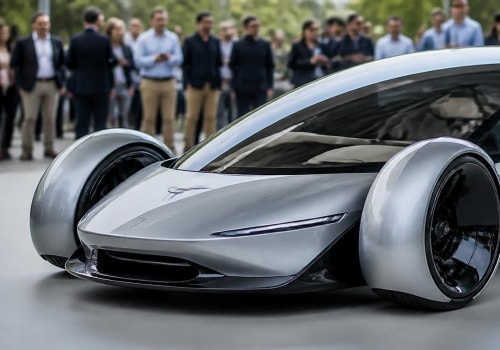
- Concept Cars: Often the stars of the show, concept cars are prototypes that showcase futuristic designs and technologies. They provide a glimpse into what manufacturers envision for the future of driving.
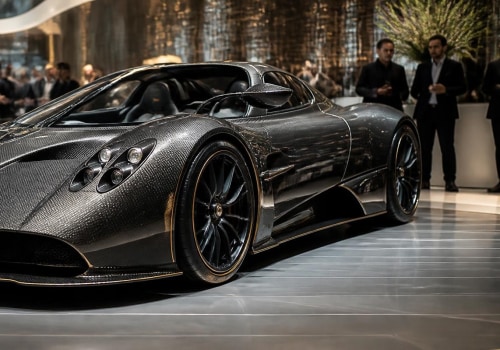
- Luxury Vehicles: High-end brands often use motor shows to unveil their latest luxury models, emphasizing comfort, performance, and cutting-edge technology. These vehicles often feature bespoke designs and premium materials.
- Electric and Hybrid Vehicles: With the growing emphasis on sustainability, many motor shows prominently feature electric and hybrid vehicles. These models highlight advancements in battery technology and eco-friendly driving solutions.
- Sports Cars: Performance vehicles are a major attraction at motor shows, showcasing speed, agility, and advanced engineering.
These cars often come equipped with powerful engines and aerodynamic designs.
- SUVs and Crossovers: As consumer preferences shift towards larger vehicles, many motor shows display a range of SUVs and crossovers. These vehicles combine practicality with style, appealing to families and adventure seekers alike.
Passenger Cars: The Stars of the Show
At motor shows, passenger cars often take center stage, showcasing the latest innovations and designs that define the automotive industry. These events serve as a platform for manufacturers to unveil new car launches, allowing enthusiasts and potential buyers to get a first look at what’s coming to the market.New models
introduced at motor shows frequently highlight advancements in technology, safety features, and fuel efficiency.For instance, many brands are now focusing on electric and hybrid vehicles, reflecting a significant shift towards sustainability. This trend is not just about reducing emissions; it also encompasses enhanced performance and driving experience.
Innovative Features
One of the most exciting aspects of passenger cars at motor shows is the introduction of innovative features. From advanced driver-assistance systems (ADAS) to cutting-edge infotainment technologies, these vehicles are designed to enhance both safety and convenience. Features such as adaptive cruise control, lane-keeping assist, and integrated smart systems are becoming standard in many new models.Design Trends
The design of passenger cars is also evolving rapidly.Motor shows often reveal trends that influence the aesthetic direction of future vehicles. Sleeker lines, bold colors, and unique lighting elements are just a few examples of how manufacturers are pushing the boundaries of automotive design. Additionally, interior layouts are being reimagined to provide a more comfortable and connected experience for drivers and passengers alike.
- Electric Vehicles: A growing number of electric models are being showcased, emphasizing zero-emission technology.
- Luxury Features: High-end materials and customizable options are increasingly popular among consumers.
- Smart Technology: Integration with smartphones and smart home devices is becoming a key selling point.
Electric and Hybrid Vehicles: The Future of Mobility
As the automotive industry evolves, electric vehicles (EVs) and hybrid cars have taken center stage at motor shows around the world.These events serve as a platform for manufacturers to showcase their latest innovations in sustainable transportation, reflecting a significant shift towards eco-friendly mobility solutions.At motor shows, attendees can expect to see a diverse range of electric and hybrid models, from compact city cars to luxury sedans and even high-performance sports cars. This variety highlights the growing consumer demand for vehicles that not only reduce carbon emissions but also offer advanced technology and enhanced driving experiences.
Key Features of Electric and Hybrid Vehicles
- Battery Technology: Many manufacturers are now unveiling vehicles equipped with cutting-edge battery technology that extends range and reduces charging time.
- Autonomous Driving: Several electric models are being showcased with autonomous driving capabilities, emphasizing safety and convenience.
- Sustainable Materials: The use of recycled and sustainable materials in vehicle construction is becoming more prevalent, aligning with the eco-conscious values of modern consumers.
As motor shows continue to highlight these advancements, they play a vital role in educating consumers about the benefits of transitioning to greener alternatives in transportation.
Luxury and Exotic Cars: A Showcase of Opulence
Motor shows are renowned for their ability to captivate audiences with a stunning array of luxury and exotic cars. These events serve as a platform for high-end automotive brands to unveil their latest models, showcasing the pinnacle of design and engineering.Luxury Cars at Motor Shows
- Rolls-Royce: Known for their bespoke craftsmanship, Rolls-Royce often presents models that exemplify elegance and sophistication, such as the Phantom and the Cullinan.
- Bentley: With a focus on performance and luxury, Bentley showcases vehicles like the Continental GT, which combines speed with opulent interiors.
- Mercedes-Benz: The S-Class and AMG line are frequently highlighted, representing cutting-edge technology and unparalleled comfort.
Exotic Vehicles
- Lamborghini: Known for their aggressive styling and powerful engines, models like the Aventador and Huracán draw significant attention at motor shows.
- Ferrari: With a legacy of racing pedigree, Ferrari often showcases limited-edition models that embody speed and luxury, such as the SF90 Stradale.
- Porsche: The 911 series remains a staple at motor shows, celebrated for its iconic design and exceptional performance capabilities.
Concept Cars: Innovations on Display
At motor shows, concept cars serve as a captivating glimpse into the future of automotive design and technology.These vehicles, often characterized by their avant-garde aesthetics and cutting-edge features, are not intended for immediate production but rather to showcase the innovative spirit of manufacturers.
Concept cars
are typically designed to test new ideas and technologies, allowing automakers to gauge public reaction before committing to full-scale production. This makes them a vital part of the automotive industry’s evolution, as they often introduce groundbreaking advancements that may eventually find their way into consumer vehicles.Future Automotive Designs
The designs of concept cars at motor shows often push the boundaries of what is possible. From sleek, aerodynamic shapes to unconventional materials, these vehicles challenge traditional notions of car design. For instance, some concept cars feature self-healing materials that can repair minor scratches or dents, while others incorporate advanced aerodynamics to enhance fuel efficiency.Innovation in Vehicles
In addition to aesthetic innovations, concept cars frequently showcase new technologies that could revolutionize the driving experience.Features such as autonomous driving capabilities, electric powertrains, and advanced infotainment systems are commonly highlighted. For example, a recent concept vehicle might include an integrated AI system that learns the driver’s preferences and adjusts settings accordingly.
- Electric Vehicles: Many concept cars emphasize sustainability by utilizing electric powertrains, showcasing the shift towards greener alternatives.
- Autonomous Features: Self-driving technology is a hot topic, with many manufacturers presenting vehicles equipped with advanced sensors and AI.
- Smart Connectivity: Integration with smart devices and IoT technology is becoming increasingly common in concept designs.
Commercial Vehicles: The Backbone of Transportation
Motor shows are not just a platform for showcasing luxury cars and innovative technology; they also play a crucial role in highlighting commercial vehicles, which are the backbone of the transportation and logistics industries. These vehicles are essential for moving goods and services efficiently, and their presence at motor shows underscores their importance in the economy.At these events, attendees can expect to see a diverse range of trucks and vans, each designed to meet specific operational needs.From heavy-duty trucks capable of hauling large loads across long distances to compact vans ideal for urban deliveries, the variety is impressive. Here are some common types of commercial vehicles showcased:
- Light Commercial Vehicles (LCVs): These include delivery vans and small trucks that are perfect for local businesses.
- Heavy-Duty Trucks: Designed for long-haul transportation, these trucks often feature advanced technology for fuel efficiency and safety.
- Specialized Vehicles: This category includes refrigerated trucks for perishable goods, flatbeds for construction materials, and tankers for liquids.
- Buses: Public transport buses and shuttles are also featured, showcasing innovations in passenger comfort and eco-friendliness.
Networking opportunities abound as manufacturers, suppliers, and potential buyers come together to explore the future of transportation.Overall, the presence of commercial vehicles at motor shows is vital. It emphasizes their role in supporting economic growth while also addressing modern challenges such as sustainability and efficiency in logistics.
Motorcycles and Two-Wheelers: Speed and Agility
Motorcycles and two-wheelers have carved out a significant niche at motor shows, captivating enthusiasts and casual visitors alike with their blend of speed, agility, and innovative design. These events serve as a platform for manufacturers to unveil their latest models, showcasing advancements in technology and aesthetics.Motorcycles at Motor Shows
At motor shows, attendees can expect to see a diverse range of motorcycles, from high-performance sport bikes to rugged adventure models. Each category highlights unique features:- Sport Bikes: Known for their aerodynamic designs and powerful engines, these bikes often incorporate cutting-edge materials like carbon fiber to enhance performance.
- Cruisers: With a focus on comfort and style, cruisers often feature lower seat heights and classic designs, appealing to riders who prioritize a laid-back experience.
- Adventure Bikes: These versatile machines are designed for both on-road and off-road capabilities, showcasing features like advanced suspension systems and durable frames.
Two-Wheelers Showcase
The two-wheeler showcase at motor shows is not limited to traditional motorcycles.Electric scooters and mopeds are increasingly featured, reflecting the growing trend towards eco-friendly transportation. These vehicles often highlight:
- Sustainability: Many manufacturers are focusing on electric models that reduce carbon footprints while providing efficient urban mobility.
- Smart Technology: Features such as integrated GPS, smartphone connectivity, and advanced safety systems are becoming standard in new models.
Motorcycle Trends
The trends observed at motor shows often set the tone for the motorcycle industry. Current trends include:- Customization: Many brands are offering customizable options that allow riders to personalize their bikes according to their preferences.
- Retro Designs: A resurgence of classic styles is evident, with modern technology integrated into vintage aesthetics.
- Enhanced Safety Features: Innovations such as anti-lock braking systems (ABS) and traction control are becoming standard in many new models.
FAQs About Motor Shows and Vehicle Types
Motor shows are exciting events that attract automotive enthusiasts, industry professionals, and the general public alike.Here are some frequently asked questions regarding the types of vehicles typically showcased at these events:
- What types of vehicles can I expect to see at a motor show?
- Concept Cars: These are innovative designs that manufacturers use to gauge public interest and showcase future technologies.
- Production Models: Current models from various manufacturers are displayed, allowing attendees to see the latest offerings in person.
- Luxury Vehicles: High-end brands often showcase their latest luxury models, featuring cutting-edge technology and design.
- Electric and Hybrid Vehicles: With the rise of eco-consciousness, many motor shows highlight electric and hybrid vehicles, showcasing advancements in sustainable technology.
- Performance Cars: Sports cars and high-performance vehicles are a staple at motor shows, appealing to enthusiasts looking for speed and power.
- Are there any special features of vehicles at motor shows?Yes! Many vehicles at motor shows come equipped with the latest technology, including advanced safety features, infotainment systems, and autonomous driving capabilities. Additionally, manufacturers often use these platforms to unveil special editions or limited-run models.
- Can I test drive any vehicles at a motor show?While most motor shows do not offer test drives on-site, many manufacturers provide opportunities for attendees to schedule test drives at local dealerships after the event. This allows potential buyers to experience the vehicle firsthand.
- How do manufacturers choose which vehicles to showcase?Manufacturers typically select vehicles based on market trends, consumer interest, and upcoming releases. They aim to create a diverse lineup that appeals to various demographics and showcases their brand's innovation.
Conclusion: The Evolving Landscape of Motor Shows
As we reflect on the evolving landscape of motor shows, it becomes clear that these events are not merely exhibitions of vehicles but dynamic platforms that showcase the future of the automotive industry.Throughout this article, we have explored various types of vehicles typically showcased at motor shows, including concept cars, production models, and electric vehicles. Each category serves a unique purpose, from sparking innovation to highlighting sustainability.The significance of motor shows extends beyond the vehicles themselves; they are a barometer for industry trends and consumer preferences. For instance, the increasing presence of electric and hybrid vehicles at these events reflects a global shift towards greener technologies. This trend not only caters to environmentally conscious consumers but also aligns with regulatory changes aimed at reducing carbon emissions.Moreover, the integration of technology in vehicles has transformed how manufacturers present their offerings.
Features such as autonomous driving capabilities, advanced infotainment systems, and connectivity options are now focal points at many motor shows. This shift indicates a broader trend where technology and automotive design converge, creating a more interactive experience for attendees.In conclusion, as motor shows continue to adapt to changing market demands and technological advancements, they remain vital in shaping the future of transportation. The blend of innovation, sustainability, and consumer engagement will undoubtedly define the next generation of vehicle showcases, making these events essential for both industry professionals and enthusiasts alike.