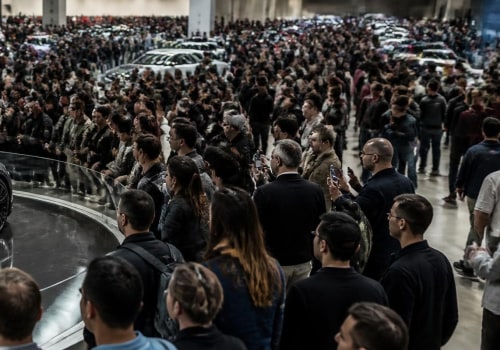
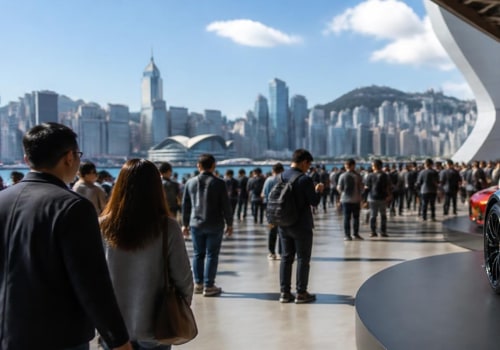
Motor shows are not just a showcase of the latest automotive innovations; they are vibrant events that attract thousands of enthusiasts, industry professionals, and curious onlookers. With such large crowds converging in a single location, crowd control and security measures become paramount to ensure the safety and enjoyment of all attendees. The significance of effective crowd management cannot be overstated, as it directly impacts the overall experience and success of the event. In an environment where excitement runs high and the latest models are on display, the potential for overcrowding and chaos is ever-present. Event organizers must implement comprehensive security strategies that not only manage the flow of people but also address potential risks.
This includes everything from planning entry and exit points to deploying trained personnel who can respond swiftly to any incidents. By prioritizing event management practices that focus on crowd dynamics, organizers can create a safe atmosphere that enhances the enjoyment of the motor show. Moreover, understanding the psychology of crowds plays a crucial role in developing effective crowd control strategies. Attendees often gravitate towards popular exhibits or unveilings, leading to bottlenecks that can compromise safety. By analyzing crowd behavior and utilizing technology such as real-time monitoring systems, organizers can anticipate and mitigate these challenges.
Ultimately, a well-executed approach to crowd control not only safeguards participants but also elevates the reputation of motor shows as premier automotive events.
Key Challenges in Managing Crowds at Motor Shows
Managing crowds at motor shows presents a unique set of challenges that organizers must navigate to ensure a safe and enjoyable experience for all attendees. One of the primary concerns is crowd density. With thousands of visitors flocking to see the latest automotive innovations, the potential for overcrowding in certain areas can lead to safety hazards. Organizers must carefully plan the layout of the venue to facilitate smooth traffic flow and minimize bottlenecks.Another significant issue is security.Motor shows often attract not only car enthusiasts but also high-profile individuals and celebrities, making them potential targets for security threats. Ensuring the safety of all attendees requires a comprehensive security strategy that includes:
- Pre-event risk assessments to identify potential vulnerabilities.
- On-site security personnel trained to handle large crowds and emergency situations.
- Surveillance systems to monitor crowd behavior and detect any suspicious activity.
- Entry and exit points: Ensuring that these are clearly marked and adequately staffed to prevent congestion.
- Signage and information dissemination: Providing clear directions and updates to help attendees navigate the venue.
- Emergency response plans: Establishing protocols for medical emergencies or evacuations, which are vital in large gatherings.
Pre-Event Planning for Effective Crowd Control
Effective crowd control at motor shows begins long before the first attendee steps through the gates.Pre-event planning is crucial for ensuring a smooth experience for both visitors and exhibitors. Here are some essential steps that organizers take to prepare for large crowds:
- Layout Design: A well-thought-out layout is fundamental. Organizers must consider the flow of foot traffic, ensuring that pathways are wide enough to accommodate large groups while preventing bottlenecks. Key areas such as entrances, exits, and restrooms should be strategically placed to facilitate easy access.
- Resource Allocation: Adequate staffing is vital for effective crowd management.
Organizers typically allocate personnel to various zones, including information desks, security checkpoints, and emergency response teams. This ensures that help is readily available when needed.
- Signage and Communication: Clear signage throughout the venue helps guide attendees and reduces confusion. Digital displays can also provide real-time updates on schedules and important announcements, enhancing the overall experience.
- Emergency Planning: Preparing for emergencies is a critical aspect of event planning. Organizers develop comprehensive plans that include evacuation routes, first aid stations, and communication protocols to ensure safety during unforeseen circumstances.
This practice allows them to identify potential issues in crowd flow and make necessary adjustments. By investing time in motor show preparation, organizers can create an environment that not only showcases vehicles but also prioritizes the safety and comfort of all attendees.
Security Measures Implemented at Motor Shows
Motor shows are vibrant events that attract thousands of attendees, making security measures a top priority for organizers. To ensure the safety of both visitors and exhibitors, a variety of security protocols are implemented throughout the event.- Access Control: One of the primary security measures is strict access control. This includes the use of credential checks at entry points to ensure that only authorized personnel and ticket holders can enter the venue.
- Bag Checks and Metal Detectors: Attendees often undergo bag checks and may pass through metal detectors to prevent prohibited items from entering the show.
This not only enhances safety but also deters potential threats.
- CCTV Surveillance: Comprehensive CCTV systems are installed throughout the venue to monitor activities in real-time. This allows security personnel to respond quickly to any suspicious behavior or incidents.
- On-Site Security Personnel: Trained security staff are present at various locations within the venue. Their presence serves as a deterrent to potential troublemakers and provides immediate assistance in case of emergencies.
- Crowd Management Strategies: Effective crowd management is crucial at motor shows. Organizers often employ strategies such as designated pathways, controlled entry and exit points, and clear signage to guide attendees and minimize congestion.
This partnership ensures that there is a coordinated response in case of any incidents, further reassuring attendees about their safety.The implementation of these event security systems not only protects individuals but also safeguards valuable exhibits and vehicles on display. By prioritizing safety, motor shows can focus on delivering an enjoyable experience for all participants.
Technology's Role in Crowd Control and Security
In the fast-paced environment of motor shows, ensuring the safety and security of attendees is paramount. Technology plays a crucial role in enhancing crowd control and security measures, allowing event organizers to manage large groups effectively.One of the most significant advancements in this area is the implementation of crowd monitoring systems. These systems utilize a combination of video surveillance, drones, and real-time analytics to track crowd density and movement patterns.By analyzing data from various sources, event staff can identify potential bottlenecks or overcrowded areas, enabling them to take proactive measures to alleviate congestion.Moreover, digital solutions for crowd control have become increasingly sophisticated. For instance, mobile applications can provide attendees with real-time updates on crowd levels at different sections of the venue. This empowers visitors to make informed decisions about where to go, reducing the likelihood of overcrowding in popular areas.
- Facial Recognition Technology: Some motor shows are beginning to adopt facial recognition technology to enhance security. This allows for quick identification of individuals on watch lists or those who may pose a threat.
- Access Control Systems: Advanced access control systems ensure that only authorized personnel can enter restricted areas, further enhancing safety.
- Emergency Response Integration: Technology also facilitates better communication between security teams and emergency services, ensuring a swift response in case of incidents.
By leveraging innovative solutions, organizers can create a secure environment that allows visitors to focus on enjoying the event without unnecessary concerns about their safety.
On-Site Management During the Event
Effective on-site crowd management is crucial for the success of any motor show. Event organizers deploy a well-trained team of staff and security personnel to ensure that attendees have a safe and enjoyable experience. These individuals play various roles, each contributing to the overall safety and efficiency of the event.- Event Staff: The backbone of on-site management, event staff are responsible for guiding attendees, providing information, and ensuring that the venue operates smoothly. They are strategically positioned at entrances, exits, and key areas throughout the venue to assist visitors and monitor crowd flow.
- Security Personnel: Trained security teams are essential for maintaining order.
They monitor the crowd for any suspicious behavior and are prepared to respond to emergencies. Their presence not only deters potential issues but also reassures attendees that their safety is a priority.
- Crowd Control Measures: During peak times, such as product launches or celebrity appearances, crowd control measures are implemented. This may include designated pathways, barriers, and controlled entry points to manage the flow of people effectively.
Security personnel monitor these feeds continuously, allowing for quick identification of any potential issues.Furthermore, communication is key in managing large crowds. Event staff and security teams utilize two-way radios to stay connected, ensuring that any incidents can be addressed immediately. This real-time communication allows for swift action in case of emergencies, enhancing overall safety.Ultimately, the combination of dedicated event staff and vigilant security personnel creates a well-coordinated environment at motor shows. Their collaborative efforts not only facilitate smooth operations but also foster a sense of security among attendees, making the event enjoyable for everyone involved.
Post-Event Analysis and Improvements for Future Shows
After each motor show, conducting a thorough post-event analysis is crucial for understanding the effectiveness of crowd control measures and security protocols.This analysis not only helps in identifying what worked well but also highlights areas that require improvement for future events.One effective method for gathering insights is through surveys distributed to attendees, exhibitors, and staff. These surveys can include questions about their experiences with crowd management, safety perceptions, and any incidents they may have witnessed. Analyzing this feedback provides valuable data that can inform future planning.
Key Areas for Improvement
- Entry and Exit Points: Evaluating the flow of attendees at entry and exit points can reveal bottlenecks that may have caused frustration or safety concerns.
- Staff Training: Assessing the preparedness of security personnel and event staff can identify gaps in training that need to be addressed to enhance crowd management.
- Communication Systems: Analyzing the effectiveness of communication tools used during the event can help improve coordination among staff and security teams.
- Crowd Density Management: Understanding how crowd density affected attendee experience can lead to better strategies for managing large groups in confined spaces.
For instance, if a particular area was prone to overcrowding, planners might consider redesigning the layout or implementing stricter access controls.Ultimately, the goal of post-event analysis is to create a safer and more enjoyable experience for all participants. By learning from past events, motor show organizers can continuously refine their approach to crowd control, ensuring that each show is better than the last.
Frequently Asked Questions About Motor Show Security and Crowd Control
Motor shows attract large crowds, and with that comes the necessity for effective crowd control and security measures. Here are some frequently asked questions regarding these critical aspects:What security measures are typically in place at motor shows?
Motor shows often implement a variety of security measures to ensure the safety of attendees and exhibitors. These may include:- Bag checks: Attendees may be required to have their bags inspected at entry points.
- Metal detectors: Some events utilize metal detectors to screen for prohibited items.
- Security personnel: Trained security staff are stationed throughout the venue to monitor activities and respond to incidents.
- CCTV surveillance: Closed-circuit television cameras are often used to monitor crowd behavior and identify potential issues.
How is crowd control managed during peak times?
Crowd control is crucial, especially during peak hours when attendance surges.Organizers typically employ several strategies:
- Designated pathways: Clear signage and designated pathways help guide attendees and prevent bottlenecks.
- Timed entry tickets: Some shows offer timed entry tickets to stagger arrivals and reduce congestion.
- Staff assistance: Event staff are trained to assist with crowd flow and direct attendees as needed.
What should attendees know about safety protocols?
Attendees should be aware of the following safety protocols when attending a motor show:- Emergency exits: Familiarize yourself with the location of emergency exits in case of an evacuation.
- Prohibited items: Be mindful of items that are not allowed inside the venue, such as large bags or outside food.
- Stay alert: Keep an eye on your surroundings and report any suspicious behavior to security personnel.
Conclusion: The Future of Crowd Management at Motor Shows
As we look towards the future of crowd management at motor shows, it is clear that the industry must adapt to evolving challenges and opportunities. The integration of advanced technologies, such as artificial intelligence and data analytics, will play a pivotal role in enhancing security measures and improving the overall visitor experience.One significant trend is the use of smart crowd management systems. These systems utilize real-time data to monitor crowd density and flow, allowing organizers to make informed decisions on crowd control strategies. For instance, by analyzing foot traffic patterns, event planners can adjust entry and exit points, ensuring a smoother experience for attendees.Moreover, the implementation of contactless technology, such as mobile ticketing and digital check-ins, not only streamlines the entry process but also minimizes physical interactions, which is crucial in maintaining health and safety standards.This shift towards a more digital-first approach is likely to become a standard practice in future motor shows.Additionally, enhancing communication with attendees through mobile apps can provide real-time updates on crowd conditions, safety protocols, and event schedules. This proactive approach not only keeps visitors informed but also empowers them to make better decisions regarding their attendance.In conclusion, the future of crowd management at motor shows will be characterized by a blend of technology and strategic planning. By embracing innovative solutions and prioritizing attendee safety, organizers can create an engaging environment that fosters excitement while ensuring security. As the industry evolves, staying ahead of these trends will be essential for successful motor shows in the years to come.