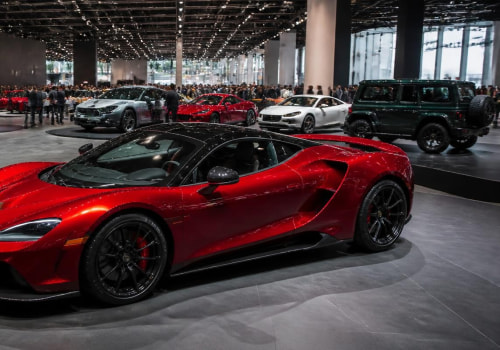
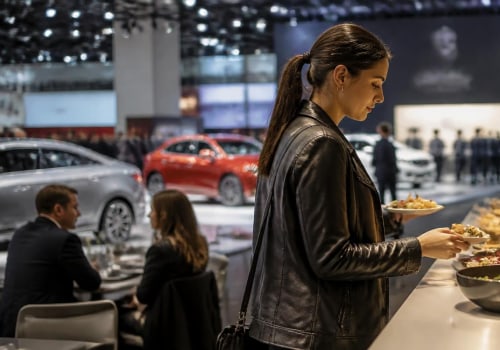
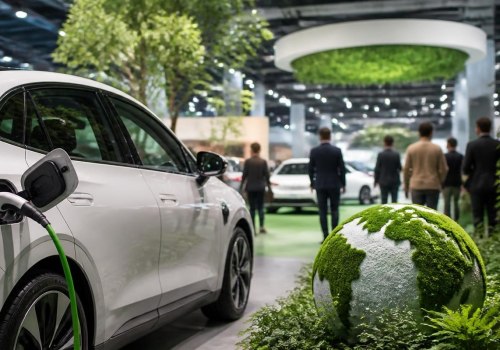
Motor shows are vibrant events that showcase the latest innovations and trends in the automotive industry. These exhibitions serve as a platform for manufacturers to unveil new models, concept cars, and cutting-edge technologies, attracting enthusiasts, industry professionals, and the general public alike. The significance of motor shows extends beyond mere display; they play a crucial role in shaping consumer perceptions and influencing purchasing decisions. As attendees marvel at the sleek designs and advanced features of vehicles, they also gain insights into the future of mobility. However, with the excitement of motor shows comes the responsibility of ensuring safety for all participants.
Large crowds, dynamic displays, and interactive exhibits can create potential hazards if not managed properly. This is where safety regulations and precautions become paramount. Organizers must implement comprehensive safety measures to protect attendees, exhibitors, and vehicles alike. From crowd control strategies to emergency response plans, every aspect is meticulously planned to ensure a secure environment. The importance of safety at motor shows cannot be overstated.
As these events grow in scale and popularity, the need for robust safety protocols becomes increasingly critical. By prioritizing safety, organizers not only enhance the overall experience but also foster trust among participants. In the following sections, we will delve deeper into specific safety regulations and precautions that are essential for successful motor shows.
Overview of Safety Regulations at Motor Shows
Motor shows are vibrant events that showcase the latest innovations in the automotive industry, but they also require strict adherence to safety regulations to ensure the well-being of attendees, exhibitors, and staff. Understanding these safety regulations is essential for anyone involved in or attending a motor show.Safety regulations at motor shows can vary significantly based on location and the scale of the event.However, there are several common standards that most events adhere to:
- Local Regulations: Each city or state may have specific laws governing public events, including crowd control measures, emergency response protocols, and health regulations.
- International Standards: Many motor shows follow guidelines set by international organizations such as the International Organization for Standardization (ISO) and the International Association of Exhibitions and Events (IAEE), which provide frameworks for safety management.
- Fire Safety: Exhibitors must comply with fire safety regulations, which include having fire extinguishers readily available, ensuring clear exit routes, and using non-flammable materials in displays.
- Electrical Safety: All electrical installations must meet safety standards to prevent hazards such as short circuits or electrical fires. This includes proper wiring and the use of certified equipment.
- Crowd Management: Effective crowd control measures are crucial. This includes trained personnel to manage large groups, designated entry and exit points, and clear signage to guide attendees.
These briefings cover emergency procedures, first aid availability, and communication channels in case of an incident.In conclusion, understanding the safety regulations that govern motor shows is vital for ensuring a safe environment for all participants. By adhering to these standards, organizers can create an enjoyable experience while minimizing risks associated with large-scale public events.
Key Safety Precautions Implemented at Motor Shows
Motor shows are exciting events that showcase the latest innovations in the automotive industry, but ensuring the safety of attendees is paramount. Various safety precautions are implemented to create a secure environment for everyone involved.- Crowd Control Measures: Organizers employ trained personnel to manage the flow of visitors. This includes designated entry and exit points, as well as barriers to prevent overcrowding in specific areas.
Additionally, real-time monitoring of crowd density helps in making immediate adjustments to maintain safety.
- Emergency Protocols: Each motor show has a comprehensive emergency response plan in place. This includes clear evacuation routes, first aid stations staffed with medical professionals, and communication systems to alert attendees in case of an emergency. Regular drills are conducted to ensure that staff are prepared for various scenarios.
- Equipment Safety Checks: All vehicles and displays undergo rigorous safety inspections before the event opens to the public. This includes checking for potential hazards such as leaks or unstable structures.
Additionally, any interactive exhibits are designed with user safety in mind, ensuring that all equipment is secure and functioning properly.
- Health Precautions: In light of recent global health concerns, motor shows have also implemented health measures such as hand sanitizing stations throughout the venue and encouraging social distancing where possible. Attendees may be required to wear masks in crowded areas to further enhance safety.
Role of Organizers in Ensuring Safety at Motor Shows
Organizers play a crucial role in ensuring safety at motor shows, as they are responsible for implementing and enforcing safety regulations throughout the event. Their responsibilities encompass a wide range of activities aimed at minimizing risks and ensuring a secure environment for both exhibitors and attendees.Key Responsibilities of Motor Show Organizers:
- Risk Assessment: Prior to the event, organizers conduct thorough risk assessments to identify potential hazards associated with the venue, exhibits, and activities planned during the motor show.
- Safety Protocol Development: Based on the risk assessment, organizers develop comprehensive safety protocols that outline procedures for emergency situations, crowd management, and equipment handling.
- Staff Training: Organizers ensure that all staff members, including security personnel and volunteers, receive proper training on safety procedures and emergency response plans.
- Compliance with Regulations: They must adhere to local, state, and federal safety regulations, which may include fire codes, health guidelines, and accessibility standards.
- Coordination with Authorities: Organizers often collaborate with local law enforcement and emergency services to establish communication channels and response strategies in case of an incident.
By fostering a culture of safety, they not only protect participants but also enhance the overall experience of the motor show. This collaborative effort is essential in creating an environment where innovation can thrive without compromising safety.In conclusion, the responsibilities of motor show organizers are vital in maintaining high safety standards. Their commitment to thorough planning and execution ensures that attendees can enjoy the excitement of the event while feeling secure and protected.
Safety Training for Staff and Volunteers at Motor Shows
Ensuring the safety of attendees at motor shows is a top priority, and this begins with comprehensive staff training for both employees and volunteers. These training programs are designed to equip individuals with the necessary skills and knowledge to handle emergencies effectively and maintain a secure environment throughout the event.Key Components of Staff Training
- Emergency Response Protocols: Staff members are trained in emergency response procedures, including evacuation plans, first aid, and communication strategies during a crisis.
- Safety Equipment Familiarization: Training includes familiarization with safety equipment such as fire extinguishers, first aid kits, and emergency exits to ensure quick access when needed.
- Risk Assessment: Staff learn to identify potential hazards within the venue, allowing them to proactively mitigate risks before they escalate into serious issues.
Volunteer Safety Training
Volunteers play a crucial role in the success of motor shows, and their safety training is equally important.
Programs for volunteers often include:
- Orientation Sessions: New volunteers participate in orientation sessions that cover event layout, safety protocols, and their specific responsibilities.
- Role-Playing Scenarios: Engaging in role-playing scenarios helps volunteers practice their responses to various situations, enhancing their confidence and preparedness.
Event Staff Responsibilities
The responsibilities of event staff extend beyond just managing logistics; they are also guardians of attendee safety. Key responsibilities include:
- Monitoring Crowds: Staff are trained to monitor crowd behavior and density, ensuring that pathways remain clear and safe for all attendees.
- Providing Information: Staff members serve as points of contact for attendees seeking information about safety procedures or reporting concerns.
- Coordination with Emergency Services: Establishing a direct line of communication with local emergency services ensures rapid response if an incident occurs.
Common Safety Concerns and How They Are Addressed
Motor shows are exciting events that showcase the latest innovations in the automotive industry, but they also come with their own set of safety concerns. Understanding these concerns and how they are addressed is crucial for ensuring a safe experience for all attendees.Common Safety Concerns
- Crowd Control: Large gatherings can lead to overcrowding, which poses risks such as trampling or difficulty in evacuating the venue in case of an emergency.
- Vehicle Safety: With numerous vehicles on display, there is a risk of accidents, especially if attendees are allowed to sit in or interact with the cars.
- Electrical Hazards: Many exhibits feature complex electrical systems, which can pose risks if not properly managed.
- Fire Safety: The presence of flammable materials and fuel in vehicles necessitates strict fire safety measures.
Addressing Safety Issues
Organizers of motor shows take several proactive measures to mitigate these risks:
- Crowd Management: Professional security teams are deployed to monitor crowd flow and ensure that pathways remain clear. Barriers and designated entry and exit points help manage the movement of attendees.
- Vehicle Display Protocols: Vehicles are securely parked and monitored.
Attendees are often restricted from entering certain areas unless supervised by staff, reducing the risk of accidents.
- Electrical Safety Inspections: All electrical installations undergo rigorous inspections to ensure compliance with safety standards. Emergency shut-off switches are also strategically placed throughout the venue.
- Fire Safety Measures: Fire extinguishers are readily available, and staff is trained in emergency response procedures. Additionally, venues often conduct fire drills prior to the event.
Case Studies: Notable Incidents and Lessons Learned
Throughout the history of motor shows, several incidents have underscored the critical importance of safety regulations and precautions.Analyzing these events provides valuable insights into how safety measures can be improved.
Case Study 1: The 2015 Frankfurt Motor Show
During the 2015 Frankfurt Motor Show, a fire broke out in one of the exhibition halls due to a malfunctioning vehicle. Fortunately, the incident was contained quickly, but it raised significant concerns about fire safety protocols. In response, organizers implemented stricter guidelines for electrical inspections and enhanced training for staff on emergency response procedures.Case Study 2: The 2018 Geneva International Motor Show
The 2018 Geneva International Motor Show experienced a serious incident when a vehicle unexpectedly accelerated during a demonstration, injuring several attendees. This incident highlighted the need for better control measures during live demonstrations.As a result, event organizers revised their protocols to include more rigorous testing of vehicles before public displays and established clear communication channels between presenters and safety personnel.
Lessons Learned
- Proactive Risk Assessment: Regular assessments of potential hazards can prevent incidents before they occur.
- Emergency Preparedness: Training staff to handle emergencies effectively is crucial for ensuring attendee safety.
- Clear Communication: Establishing clear lines of communication among all parties involved in the event can help mitigate risks during live demonstrations.
Future Trends in Safety Regulations for Motor Shows
As the automotive industry continues to evolve, so too do the safety regulations at motor shows. The future of safety at these events is being shaped by a combination of technological advancements and changing public expectations. Organizers are increasingly recognizing the need to implement more stringent safety measures to ensure the well-being of attendees, exhibitors, and vehicles alike.Technological Advancements
One of the most significant trends in motor show safety is the integration of technology.For instance, the use of drone surveillance is becoming more common, allowing for real-time monitoring of crowds and potential hazards. Drones can provide a bird's-eye view of the event, helping security teams respond quickly to any incidents.Additionally, smart sensors are being deployed to monitor crowd density and movement patterns. This data can help organizers manage foot traffic more effectively, reducing the risk of overcrowding and ensuring that emergency exits remain accessible.
Evolving Public Expectations
The expectations of attendees are also shifting. With increasing awareness around health and safety, visitors now expect comprehensive safety protocols to be in place.This includes:
- Enhanced sanitation measures, such as regular cleaning of high-touch surfaces.
- Clear communication regarding safety procedures before and during the event.
- Emergency response plans that are well-publicized and easily accessible.
Conclusion: The Importance of Safety at Motor Shows
In conclusion, the significance of safety regulations and precautions at motor shows cannot be overstated. These events, which showcase the latest innovations in the automotive industry, attract large crowds and feature high-performance vehicles that can pose risks if not properly managed.Throughout this article, we have explored various aspects of safety measures implemented at these shows, highlighting their critical role in ensuring a secure environment for both attendees and exhibitors.One of the primary safety measures includes stringent crowd control protocols. Organizers often employ trained personnel to manage the flow of visitors, ensuring that pathways remain clear and emergency exits are accessible. Additionally, the use of barriers and designated viewing areas helps to keep spectators at a safe distance from moving vehicles.Moreover, vehicle safety checks are a standard practice before any motor show. This involves thorough inspections to ensure that all showcased vehicles are in optimal condition and equipped with necessary safety features.
Such precautions not only protect the audience but also enhance the credibility of the event.Furthermore, emergency response plans are established to address any unforeseen incidents swiftly. These plans include coordination with local emergency services and training staff to handle various scenarios, from medical emergencies to fire outbreaks.Ultimately, the commitment to safety at motor shows reflects a broader responsibility within the automotive industry to prioritize public well-being. As these events continue to evolve, ongoing assessments and improvements in safety protocols will be essential in maintaining a secure atmosphere for all participants. By understanding and supporting these measures, attendees can enjoy the excitement of motor shows while contributing to a culture of safety.