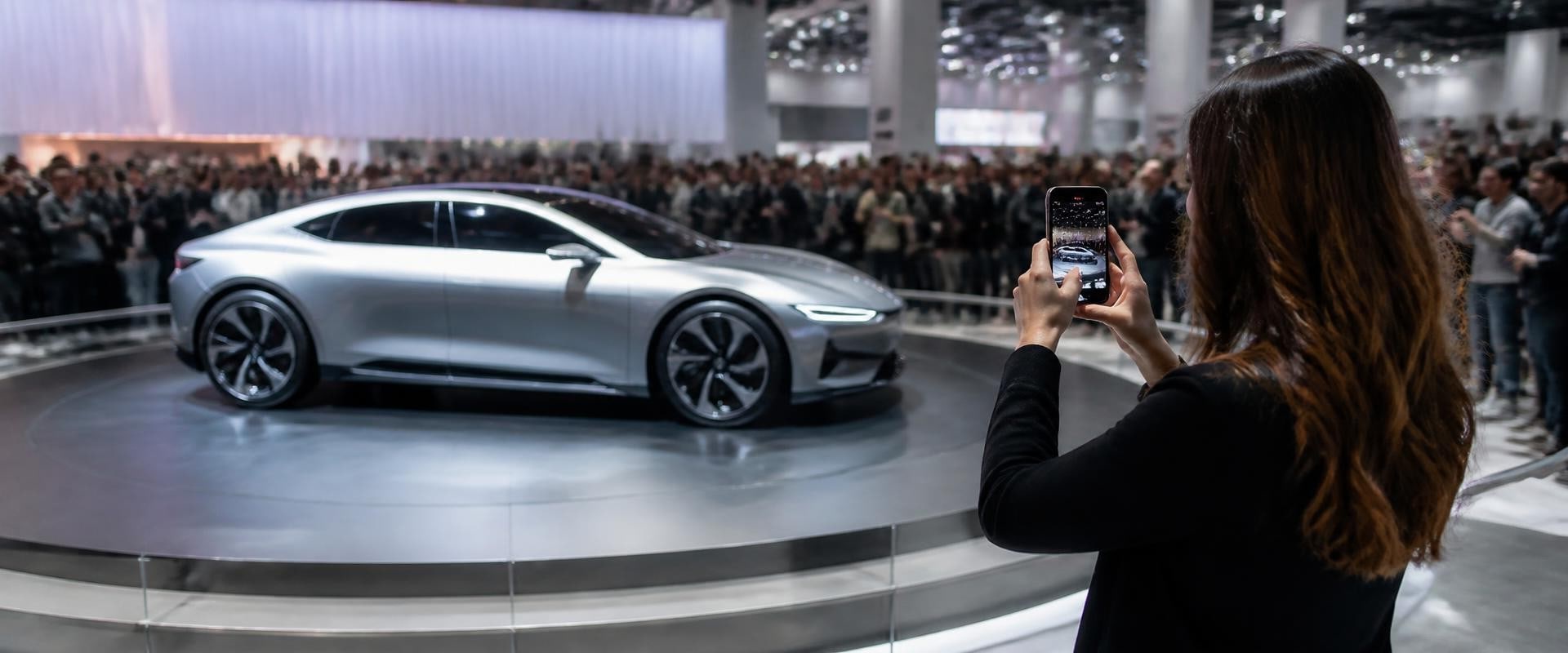
Motor shows have long been a cornerstone of the automotive industry, serving as vibrant platforms where manufacturers unveil their latest innovations, concepts, and technologies. These events not only showcase the future of mobility but also create a unique atmosphere for enthusiasts, industry professionals, and the media to converge. As the automotive landscape evolves, so too does the way these shows are promoted and covered, with social media emerging as a pivotal tool in this transformation. The rise of social media has revolutionized how motor shows are experienced and shared. Platforms like Instagram, Twitter, and Facebook allow attendees to broadcast live updates, share stunning visuals, and engage with a global audience in real-time.
This instant connectivity enhances the reach of motor shows beyond the physical venue, enabling manufacturers to generate buzz and excitement long before the event begins. The ability to interact directly with fans and potential customers creates a dynamic dialogue that was previously unattainable. Moreover, social media serves as an invaluable resource for coverage during and after the events. Journalists and influencers leverage these platforms to provide insights, interviews, and behind-the-scenes content that enriches the narrative surrounding each motor show. This not only amplifies the visibility of participating brands but also fosters a sense of community among automotive enthusiasts who eagerly await updates from their favorite manufacturers.
In this digital age, understanding the role of social media in promoting and covering motor shows is essential for anyone looking to grasp the full impact of these significant automotive events.
The Evolution of Motor Shows in the Digital Age
The history of motor shows dates back to the late 19th century, where they served as a platform for manufacturers to showcase their latest innovations and vehicles. Initially, these events were primarily local gatherings, but as the automotive industry grew, so did the scale and significance of these shows. The introduction of international motor shows in cities like Paris, Frankfurt, and Detroit marked a turning point, transforming them into global spectacles that attracted enthusiasts and industry professionals alike.With the rise of the internet and digital technology, the landscape of motor shows began to shift dramatically. The digital transformation has not only changed how manufacturers present their vehicles but also how audiences engage with these events.Social media platforms such as Instagram, Twitter, and Facebook have become essential tools for promoting motor shows, allowing brands to reach a wider audience than ever before.Today, motor shows are not just about physical attendance; they are multi-faceted events that leverage digital platforms for marketing and coverage. Here are some key ways in which social media has influenced motor shows:
- Real-time Engagement: Social media allows brands to interact with fans and potential customers in real-time, sharing updates, behind-the-scenes content, and live streams of unveilings.
- Broader Reach: With millions of users on various platforms, manufacturers can promote their participation in motor shows to a global audience, increasing visibility and interest.
- User-Generated Content: Attendees often share their experiences on social media, creating organic buzz around the event and enhancing its reach through personal networks.
- Influencer Collaborations: Brands frequently partner with automotive influencers to amplify their presence at motor shows, leveraging these individuals' followings to attract more attention.
How Social Media Platforms Promote Motor Shows
Social media has become an indispensable tool for promoting motor shows, allowing brands to reach a wider audience and engage with potential attendees in real-time. Various platforms offer unique features that cater to different marketing strategies, making it essential for organizers and exhibitors to leverage these tools effectively.- Facebook: With its vast user base, Facebook serves as a primary platform for event promotion.
Brands can create dedicated event pages, share updates, and engage with followers through comments and messages. Paid advertising options allow for targeted promotions, ensuring that the right audience is reached.
- Instagram: This visually-driven platform is perfect for showcasing the latest vehicles and innovations at motor shows. Brands can utilize high-quality images and videos, along with engaging stories, to capture the excitement of the event. Hashtags play a crucial role in increasing visibility, allowing users to discover content related to specific shows.
- Twitter: Known for its real-time updates, Twitter is ideal for sharing live coverage of motor shows.
Brands can tweet highlights, engage with fans through polls, and respond to inquiries instantly. The use of trending hashtags can amplify reach and encourage conversations around the event.
- Influencer Collaborations: Partnering with automotive influencers can significantly boost visibility. Influencers can share their experiences at motor shows, providing authentic content that resonates with their followers.
- User-Generated Content: Encouraging attendees to share their own photos and experiences creates a sense of community. Brands can run contests or campaigns that incentivize users to post about the event using specific hashtags.
- Live Streaming: Broadcasting live from the event allows those who cannot attend to participate virtually.
This strategy not only increases engagement but also builds anticipation for future events.
Real-Time Coverage of Motor Shows on Social Media
Social media has revolutionized the way motor shows are covered and experienced by audiences around the globe. With platforms like Twitter, Instagram, and Facebook, event organizers and attendees can share live updates that capture the excitement and innovation of these automotive showcases in real-time.Live Coverage
- During motor shows, brands often utilize live streaming to broadcast unveilings and presentations directly to their followers. This allows fans who cannot attend in person to experience the event as it unfolds.
- Platforms like Instagram Live and Facebook Live enable manufacturers to engage with their audience through Q&A sessions, providing insights into new models and technologies.
Social Media Updates
- Real-time updates on social media keep followers informed about key moments, such as award announcements or special guest appearances.
Hashtags specific to the event help consolidate these updates, making it easier for users to follow along.
- Visual content, including photos and videos shared by attendees and brands alike, enhances the overall experience by showcasing the atmosphere and excitement of the show.
Event Reporting
- Journalists and influencers play a crucial role in reporting from motor shows via social media. Their posts often include behind-the-scenes content that provides a unique perspective on the event.
- This immediate reporting fosters a sense of community among car enthusiasts, as they can comment, share, and discuss their favorite moments in real-time.
The Role of Influencers in Motor Show Promotion
In the dynamic landscape of motor shows, influencers play a pivotal role in shaping public perception and driving attendance. Their ability to connect with audiences on a personal level makes them invaluable assets for brands looking to promote their presence at these events.Influencer Marketing Strategies
- Authenticity: Influencers often share genuine experiences and insights about the vehicles and brands they represent, which resonates with their followers.
This authenticity fosters trust, making their endorsements more impactful.
- Content Creation: Influencers generate engaging content, from live streams to behind-the-scenes footage, that captures the excitement of motor shows. This content not only promotes the event but also showcases the latest automotive innovations.
- Audience Engagement: By interacting with their followers through comments and shares, influencers create a buzz around motor shows, encouraging more people to attend or follow the event online.
Brand Partnerships
Many automotive brands are recognizing the potential of collaborating with influencers. These partnerships can take various forms:
- Sponsored Content: Brands often sponsor posts or videos where influencers highlight specific vehicles or features showcased at motor shows.
- Event Appearances: Influencers may be invited to attend motor shows as special guests, where they can share their experiences in real-time with their audience.
- Exclusive Previews: Influencers might receive early access to new models or technologies, allowing them to create exclusive content that generates excitement ahead of the show.
As influencers continue to shape consumer behavior, their role in promoting motor shows will likely grow, making them essential partners for automotive brands aiming to connect with a broader audience.
User-Generated Content and Its Impact on Motor Shows
In the realm of motor shows, user-generated content (UGC) plays a pivotal role in shaping perceptions and driving engagement. As attendees share their experiences through photos, videos, and posts on various social media platforms, they create a rich tapestry of content that not only highlights the event but also serves as a powerful form of social proof.Audience engagement
is significantly enhanced by UGC. When fans and participants post their own content, they invite others to join the conversation. This organic sharing fosters a sense of community among car enthusiasts, allowing them to connect over shared interests and experiences.For brands participating in motor shows, this means that potential customers are exposed to authentic representations of their products, often leading to increased interest and sales.Moreover, UGC can amplify the reach of motor shows beyond the physical venue. Attendees often tag brands and use event-specific hashtags, which can lead to viral moments that capture the attention of a broader audience. This kind of exposure is invaluable; it not only showcases the excitement of the event but also positions brands as integral parts of the automotive culture.
- Authenticity: User-generated content is perceived as more trustworthy than traditional advertising. When potential customers see real people enjoying a brand's offerings at a motor show, it enhances credibility.
- Community Building: UGC fosters a sense of belonging among attendees, encouraging them to share their own stories and experiences related to the event.
- Increased Visibility: Posts from attendees can reach far beyond the event itself, drawing in new audiences who may not have been aware of the motor show or the brands present.
By leveraging this content effectively, brands can create lasting impressions and foster deeper connections with their audience.
Challenges of Using Social Media for Motor Shows
While social media offers numerous advantages for promoting motor shows, it also presents a unique set of challenges that organizers and brands must navigate carefully.Managing Negative Feedback
One of the most significant hurdles is dealing with negative feedback. Social media platforms provide a space for attendees and potential visitors to voice their opinions, which can sometimes lead to public criticism. A single negative comment can quickly gain traction, potentially damaging the reputation of the event. To mitigate this risk, organizers should:- Monitor social media channels regularly to identify and address concerns promptly.
- Engage with users who leave negative feedback by acknowledging their concerns and offering solutions.
- Encourage satisfied attendees to share their positive experiences, creating a balanced narrative.
Combating Misinformation
Misinformation can spread rapidly on social media, leading to confusion among potential attendees.This can include incorrect details about event dates, locations, or featured vehicles. To combat misinformation, organizers should:
- Provide clear and accurate information across all official social media channels.
- Utilize verified accounts to enhance credibility and ensure that followers receive reliable updates.
- Engage with followers by answering questions and clarifying any misconceptions directly.
Future Trends: The Next Generation of Motor Shows and Social Media Integration
As we look to the future, the integration of social media in promoting and covering motor shows is poised to evolve significantly. Emerging technologies such as augmented reality (AR) and virtual reality (VR) are set to redefine how audiences engage with these events, creating immersive experiences that go beyond traditional viewing.Augmented Reality and Virtual Reality
- AR applications can allow attendees to interact with vehicles in real-time, providing detailed information and features through their smartphones or AR glasses.
- VR experiences can transport users to the heart of a motor show from anywhere in the world, enabling them to explore new models and innovations without physically attending.
For instance, brands can create shareable content that encourages users to post their experiences online, generating organic buzz around the event. This not only amplifies reach but also fosters a sense of community among enthusiasts.
Trends in Social Media
- The rise of live streaming on platforms like Instagram and Facebook allows real-time coverage of motor shows, giving followers instant access to unveilings and interviews.
- User-generated content will play a crucial role, as attendees share their perspectives and experiences, enriching the narrative surrounding each event.
- Influencer partnerships will continue to grow, with automotive influencers providing authentic insights that resonate with their followers.
Conclusion: The Symbiotic Relationship Between Social Media and Motor Shows
In conclusion, the relationship between social media and motor shows is undeniably symbiotic, with each element enhancing the other in significant ways. Throughout this article, we have explored how social media platforms serve as powerful tools for promoting motor shows, allowing organizers to reach a broader audience and engage with potential attendees in real-time.Social media not only amplifies the visibility of motor shows but also fosters community engagement.By sharing live updates, behind-the-scenes content, and interactive posts, brands can create a buzz that traditional marketing methods often fail to achieve. This engagement is crucial for building anticipation and excitement around upcoming events.
Future Possibilities
Looking ahead, the role of social media in the realm of motor shows is poised to evolve even further. As technology advances, we can expect to see:- Increased use of augmented reality (AR): Brands may leverage AR to provide immersive experiences that allow users to visualize vehicles in their own environments.
- Enhanced user-generated content: Encouraging attendees to share their experiences can create a wealth of authentic content that promotes future events.
- Data-driven marketing strategies: Utilizing analytics from social media interactions can help organizers tailor their approaches to better meet audience preferences.