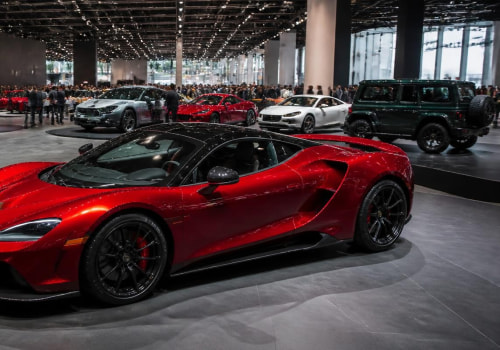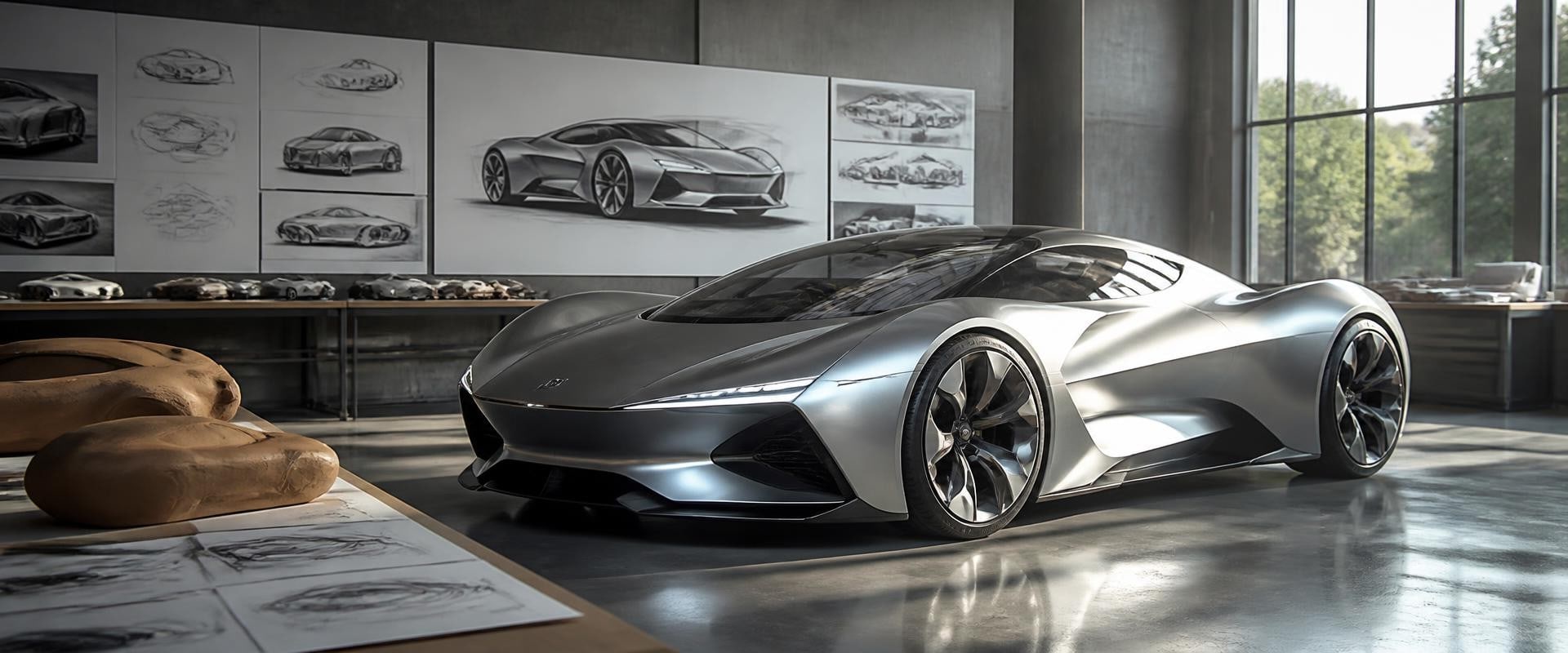
In the dynamic world of automotive innovation, concept cars serve as a tantalizing glimpse into the future of transportation. These vehicles, often showcased at motor shows, are not just mere prototypes; they embody the creative vision of manufacturers, pushing the boundaries of design, technology, and sustainability. Motor shows around the globe become a stage where these avant-garde creations are unveiled, capturing the imagination of enthusiasts and industry professionals alike. Concept cars are designed to test the waters of public opinion and gauge market interest. They often feature cutting-edge technologies and bold aesthetics that may not be feasible for mass production.
While some concept cars generate significant buzz and excitement, others fade into obscurity, never making it to the production line. This phenomenon raises intriguing questions about the automotive industry’s decision-making processes and the factors that influence which designs ultimately become reality. As we delve deeper into this topic, we will explore notable examples of concept cars that have graced motor shows but never transitioned to production. Understanding these cases not only highlights the challenges faced by automakers but also underscores the importance of motor shows as a platform for innovation and creativity in the automotive sector.
The Role of Motor Shows in Automotive Design
Motor shows play a pivotal role in the automotive design landscape, acting as a vibrant stage where manufacturers unveil their latest innovations and concepts. These events are not merely exhibitions; they are a reflection of the industry’s direction, showcasing cutting-edge technologies and design philosophies that may shape the future of mobility.At motor shows, automakers present concept cars that often push the boundaries of creativity and engineering.These vehicles serve multiple purposes:
- Market Research: By displaying concept cars, manufacturers gauge public reaction and gather valuable feedback that can influence future production models.
- Brand Positioning: Innovative designs help brands establish themselves as leaders in technology and sustainability, appealing to consumers who prioritize these values.
- Collaboration Opportunities: Motor shows attract not only consumers but also industry professionals, fostering partnerships that can lead to advancements in automotive technology.
While not every concept car will make it to production, the insights gained from these showcases are invaluable for shaping the future of mobility.
What Are Concept Cars?
Concept cars are innovative vehicles that manufacturers showcase at motor shows to highlight their vision for the future of automotive design and technology. Unlike production vehicles, which are built for mass consumption, concept cars serve as a platform for experimentation and creativity. They often feature cutting-edge technology, unique styling, and advanced materials that may not yet be feasible for everyday use.The primary purpose of concept cars is to gauge public interest and gather feedback on new ideas before committing to full-scale production. By presenting these prototypes at motor shows, automakers can assess consumer reactions and make informed decisions about which features or designs to incorporate into future models.This process not only helps manufacturers stay ahead of trends but also allows them to showcase their engineering prowess and commitment to innovation.Concept cars differ significantly from production vehicles in several ways:
- Design: Concept cars often feature avant-garde designs that push the boundaries of aesthetics, while production vehicles prioritize practicality and marketability.
- Technology: Many concept cars include experimental technologies that may not be ready for the consumer market, such as alternative fuel systems or autonomous driving capabilities.
- Functionality: These vehicles may lack the necessary safety features or regulatory compliance required for road use, making them unsuitable for production.
Famous Concept Cars That Never Made It to Production
Throughout the history of motor shows, numerous concept cars have captured the imagination of enthusiasts and industry insiders alike. However, many of these stunning designs never transition from the drawing board to the production line. Here are some famous concept cars that remain notable examples of automotive innovation without ever hitting the streets.- BMW GINA Light Visionary Model : Unveiled at the 2008 Geneva Motor Show, this concept car featured a unique fabric skin that could change shape, allowing for a dynamic design.
Despite its groundbreaking technology and aesthetic appeal, it never made it to production due to practical limitations.
- Mercedes-Benz F015 Luxury in Motion : Showcased in 2015, this autonomous vehicle concept was designed to redefine luxury travel. With its futuristic design and self-driving capabilities, it garnered significant attention but ultimately remained a prototype as the technology was not ready for mass production.
- Jaguar C-X75 : Initially revealed at the 2010 Paris Motor Show, this hybrid supercar was praised for its performance and design. Although Jaguar planned to produce it, financial constraints and changing market conditions led to its cancellation in 2012.
- Chevrolet Corvette Stingray Concept : Introduced at the 2009 Chicago Auto Show, this concept showcased a bold new direction for the iconic Corvette. While elements of its design influenced future models, the exact version never reached production.
While they may not always make it to production, they play a crucial role in shaping the future of automotive design and engineering.
Reasons Why Concept Cars Fail to Reach Production
While concept cars often captivate audiences at motor shows, many of these innovative designs never make it to production. Understanding the reasons behind this phenomenon can shed light on the complexities of the automotive industry.Financial Constraints One of the primary reasons concept cars fail to transition into production is financial constraints. Developing a new vehicle involves significant investment in research, development, and manufacturing. Automakers must weigh the potential return on investment against the costs associated with bringing a concept to market.If a concept car is deemed too expensive to produce or unlikely to generate sufficient sales, it may be shelved indefinitely.Market Demand Issues Another critical factor is market demand. Concept cars are often designed to showcase cutting-edge technology or bold design ideas that may not align with consumer preferences. If market research indicates that consumers are not interested in a particular style or feature set, manufacturers may decide against moving forward with production. This disconnect between innovation and consumer desire can lead to the cancellation of promising concepts.Technological Limitations Technological challenges also play a significant role in the fate of concept cars.
Many concepts feature advanced technologies that are not yet viable for mass production. Whether it's due to issues with reliability, cost-effectiveness, or regulatory compliance, these technological hurdles can prevent a concept from becoming a reality. For instance, if a concept car relies on a new type of battery that is still in development, it may be impractical to produce until those technologies are fully realized.Automotive Industry Hurdles The automotive industry is fraught with hurdles, including stringent safety regulations and environmental standards. A concept car that does not meet these requirements may face significant redesigns or even complete abandonment.
Additionally, shifts in market trends and economic conditions can influence an automaker's decision-making process, leading them to prioritize other projects over ambitious concepts. In summary, while concept cars showcased at motor shows can inspire excitement and innovation, various factors such as financial constraints, market demand issues, technological limitations, and industry hurdles often prevent them from reaching production. Understanding these challenges provides valuable insight into the complexities of automotive design and manufacturing.
The Impact of Consumer Feedback on Concept Cars
Consumer feedback plays a pivotal role in determining the fate of concept cars showcased at motor shows. These events serve as a platform for manufacturers to gauge public interest and gather insights that can significantly influence their production decisions. When a new concept car is unveiled, the immediate reactions from attendees, industry experts, and media can create a ripple effect that impacts the vehicle's future.One of the primary ways consumer feedback is collected is through direct interaction at motor shows.Attendees often have the opportunity to engage with the design team, ask questions, and provide their opinions on various aspects of the vehicle, from aesthetics to functionality. This real-time feedback can highlight features that resonate well with potential buyers or reveal elements that may need rethinking.
Public Reaction and Its Influence
The public's reaction to a concept car can be overwhelmingly positive or negative. A strong positive response can lead manufacturers to accelerate development plans, while negative feedback might prompt them to reconsider certain design choices or even scrap the project altogether. For instance, if a concept car garners excitement for its innovative technology but criticism for its impractical size, manufacturers may opt to refine the design based on this input.- Positive Feedback: Can lead to quicker production timelines and increased investment in development.
- Negative Feedback: May result in redesigns or cancellation of the project if consumer interest is lukewarm.
- Neutral Feedback: Often leads to further market research before making any production commitments.
A concept car that goes viral online can attract attention far beyond the motor show, influencing not just potential buyers but also investors and stakeholders within the automotive industry. This digital word-of-mouth can be a double-edged sword; while it can generate excitement, it can also amplify criticism.In conclusion, consumer feedback from motor shows is invaluable in shaping the future of concept cars. Manufacturers who actively listen to public sentiment are more likely to create vehicles that resonate with consumers, ultimately leading to successful production runs.
The Future of Concept Cars at Motor Shows
The landscape of automotive design is rapidly evolving, and the future of concept cars showcased at motor shows reflects this dynamic shift. As manufacturers strive to meet the demands of sustainability, technology, and consumer preferences, we can expect to see several emerging trends that will shape the next generation of concept vehicles.Emphasis on Sustainability
One of the most significant trends is the increasing emphasis on sustainable materials and eco-friendly technologies.Many automakers are now prioritizing electric and hybrid models, showcasing concepts that utilize recycled materials and innovative energy solutions. This shift not only addresses environmental concerns but also aligns with consumer expectations for greener alternatives.
Integration of Advanced Technology
The integration of advanced technologies such as autonomous driving, AI, and smart connectivity is another key trend. Concept cars at motor shows are increasingly featuring cutting-edge tech that enhances safety, convenience, and user experience. For instance, vehicles equipped with AI-driven interfaces can adapt to driver preferences, making them more appealing to tech-savvy consumers.Design Aesthetics and Customization
Aesthetic design is also undergoing a transformation.Future concept cars are likely to showcase bold, innovative designs that challenge traditional automotive aesthetics. Manufacturers are experimenting with shapes, colors, and materials that reflect a more personalized approach to vehicle ownership. Customization options may become a standard feature, allowing consumers to tailor their vehicles to their unique tastes.
The Role of Motor Shows
Motor shows will continue to play a crucial role in this evolution by serving as platforms for manufacturers to unveil their most ambitious concepts. These events not only generate excitement but also provide valuable feedback from consumers and industry experts alike.As trends in automotive design continue to evolve, concept cars will remain a vital part of the conversation surrounding the future of mobility.In conclusion, the future of concept cars at motor shows is poised for exciting developments driven by sustainability, technology integration, and innovative design. As these trends unfold, they will undoubtedly influence which concepts make it into production and how they redefine our driving experiences.
FAQs About Concept Cars and Motor Shows
Concept cars often spark excitement and curiosity among automotive enthusiasts, leading to numerous questions about their purpose and fate. Here are some frequently asked questions regarding concept cars and their presence at motor shows.- What is a concept car?
A concept car is a prototype vehicle that showcases new design ideas, technologies, and features. These cars are typically not intended for mass production but serve as a platform for manufacturers to gauge public interest and gather feedback. - Why do manufacturers showcase concept cars at motor shows?
Motor shows provide an ideal venue for manufacturers to unveil their latest innovations and concepts.By showcasing these vehicles, companies can attract media attention, engage with potential customers, and assess market trends.
- Are all concept cars eventually produced?
No, not all concept cars make it to production. Many factors influence this decision, including production costs, market demand, and technological feasibility. Some concepts may evolve into production models, while others remain as one-off designs. - What happens to concept cars that don’t go into production?
Concept cars that do not enter production often become part of a manufacturer’s collection or are displayed in museums. They may also be used for promotional events or as design inspiration for future models. - How can I find out about upcoming motor shows featuring concept cars?
Keeping an eye on automotive news websites, following manufacturers on social media, and checking the official websites of major motor shows can provide updates on upcoming events and featured concept cars.
Whether they make it to production or not, these vehicles represent the future of automotive design.
Conclusion: The Legacy of Concept Cars in the Automotive Industry
In conclusion, the world of motor shows serves as a vibrant platform for showcasing the innovative spirit of the automotive industry. While many concept cars capture the imagination of enthusiasts and industry professionals alike, not all of them transition into production models. This phenomenon highlights several key aspects of automotive design and market dynamics. Firstly, concept cars often serve as a testing ground for new technologies and design philosophies. They allow manufacturers to gauge public reaction and gather valuable feedback before committing to full-scale production.For instance, vehicles like the BMW Vision Next 100 and the Mercedes-Benz F015 have introduced groundbreaking ideas that may influence future models, even if they themselves never hit the assembly line. Secondly, the allure of concept cars lies in their ability to push boundaries. They often feature radical designs and advanced features that challenge conventional automotive norms. This creative freedom can lead to innovations that eventually find their way into mainstream vehicles, shaping the future of mobility. Moreover, concept cars play a crucial role in brand identity and marketing strategies. By unveiling eye-catching prototypes at motor shows, manufacturers can generate buzz and excitement around their brand, positioning themselves as leaders in innovation. Ultimately, while not every concept car will become a reality, their impact on the automotive landscape is undeniable.
They inspire future generations of designers and engineers, ensuring that the quest for excellence in automotive design continues unabated. As we look forward to upcoming motor shows, we can anticipate new concepts that will challenge our perceptions and redefine what is possible on the road.