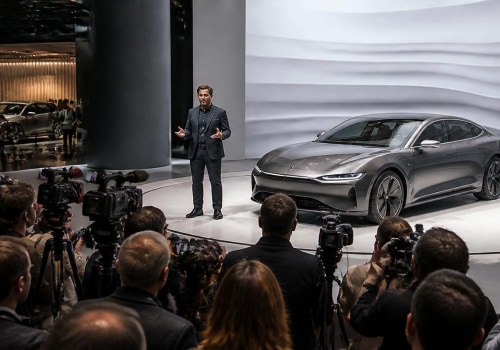
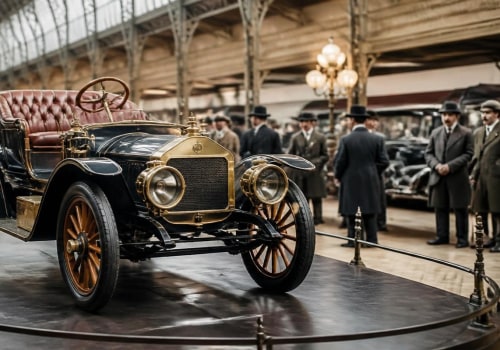
Motor shows have long been a celebration of innovation and creativity within the automotive industry. These grand exhibitions serve as a platform for manufacturers to unveil their latest models, showcase cutting-edge technology, and engage with enthusiasts and potential buyers alike. From the glitzy displays of luxury vehicles to the rugged showcases of off-road machines, motor shows encapsulate the diverse landscape of automotive design and engineering. Beyond mere vehicle showcases, these events are a cultural phenomenon that attract millions of visitors worldwide. They provide a unique opportunity for automakers to gauge public interest and gather feedback on new concepts.
The excitement surrounding these exhibitions often leads to the unveiling of some of the most unique and unusual vehicles ever created, capturing the imagination of attendees and setting trends for the future. As we delve deeper into the world of motor shows, we will explore some of the most extraordinary vehicles that have graced these events. From futuristic prototypes to eccentric designs that challenge conventional automotive norms, each showcase tells a story of ambition and vision. Join us as we uncover what makes these vehicles stand out in a sea of innovation and creativity.
Defining Uniqueness in Vehicles
When discussing unique vehicles and unusual cars, it is essential to consider several factors that contribute to their distinctiveness. These factors often encompass design, technology, and the cultural impact of the vehicle.Design
- Aesthetic Appeal: Unique vehicles often feature unconventional shapes, colors, and materials that set them apart from standard models.
For instance, the use of transparent materials or asymmetrical designs can create a striking visual impact.
- Functionality: Some vehicles are designed with specific purposes in mind, such as the Amphibious Vehicle, which can operate both on land and water. This dual functionality adds to its uniqueness.
- Customization: Many unusual cars are heavily customized by their owners or manufacturers, showcasing personal expression through modifications that reflect individual tastes.
Technology
- Innovative Features: Vehicles that incorporate cutting-edge technology, such as electric drivetrains or autonomous driving capabilities, often stand out at motor shows. These advancements not only enhance performance but also redefine what a vehicle can be.
- Sustainability: The rise of eco-friendly vehicles, like those powered by hydrogen fuel cells or solar energy, represents a significant shift in automotive design and technology, making them unique in their approach to environmental responsibility.
Cultural Impact
- Symbolism: Certain vehicles become cultural icons, representing specific eras or movements. For example, the Volkswagen Beetle is not just a car; it symbolizes the counterculture of the 1960s.
- Influence on Trends: Unusual vehicles often set trends in the automotive industry, inspiring future designs and technologies.
Their presence at motor shows can spark conversations about the future of mobility.
Iconic Motor Shows Around the World
Motor shows are pivotal events in the automotive industry, showcasing the latest innovations, designs, and concepts from manufacturers around the globe. These exhibitions not only serve as a platform for major car brands but also highlight some of the most unique vehicles that capture the imagination of enthusiasts and the general public alike.Among the most renowned motor shows, several stand out for their scale and significance:- Geneva International Motor Show : Known for its luxurious displays and high-end vehicles, this show often features concept cars that push the boundaries of design and technology.
- Frankfurt Motor Show : As one of the largest automotive exhibitions in the world, it showcases a wide array of vehicles, from electric cars to futuristic prototypes.
- Los Angeles Auto Show : This event is significant for its focus on eco-friendly vehicles and innovative technologies, making it a hotspot for unveiling unique automotive designs.
- Tokyo Motor Show : Renowned for its avant-garde concepts, this show often presents vehicles that blend technology with art, reflecting Japan's cutting-edge automotive culture.
- Detroit Auto Show : A historic event in the heart of America’s automotive industry, it features a mix of classic American muscle cars and modern innovations.
Attendees can expect to see everything from self-driving cars to vehicles designed for extreme environments, making these events a treasure trove for car lovers and industry professionals alike.In summary, major motor shows around the world play a crucial role in shaping automotive trends and showcasing unique vehicles. They are not just about cars; they are about innovation, culture, and the future of transportation.
Notable Unique Vehicles from Motor Shows
Motor shows have long been a platform for manufacturers to showcase their most unique vehicles, often pushing the boundaries of design and technology. Here are some of the most notable examples that have captured the imagination of enthusiasts and the general public alike.1.BMW GINA Light Visionary Model
Unveiled at the 2008 Geneva Motor Show, the BMW GINA is a concept car that features a flexible fabric skin instead of traditional metal panels. This innovative design allows the vehicle to change shape, adapting its aerodynamics and aesthetics on the fly.The GINA represents a bold step into the future of automotive design, showcasing how materials can redefine vehicle functionality.
2.Mercedes-Benz F015 Luxury in Motion
The Mercedes-Benz F015, presented at the 2015 Consumer Electronics Show, is a self-driving concept car that reimagines personal transportation. With its futuristic design and spacious interior, it emphasizes comfort and connectivity, featuring interactive displays and autonomous driving capabilities. This vehicle highlights the potential for cars to become mobile living spaces.3.Toyota i-ROAD
At the 2013 Tokyo Motor Show, Toyota introduced the i-ROAD, a compact electric vehicle designed for urban commuting. Its unique three-wheeled design and ability to tilt while cornering make it an unusual yet practical solution for navigating crowded city streets.The i-ROAD exemplifies how manufacturers are addressing urban mobility challenges with innovative solutions.
4.Nissan BladeGlider
The Nissan BladeGlider, showcased at various motor shows, features a striking delta-wing design that enhances aerodynamics and performance. This electric vehicle not only looks unconventional but also offers an exhilarating driving experience with its rear-wheel drive and lightweight construction. The BladeGlider is a testament to Nissan's commitment to sustainable yet thrilling automotive experiences. These vehicles not only stand out for their unusual designs but also for their significance in shaping the future of transportation. Each model reflects a unique vision that challenges conventional automotive norms, making them memorable highlights at motor shows around the world.The Role of Concept Cars in Motor Shows
Concept cars play a pivotal role in motor shows, serving as a canvas for automotive manufacturers to showcase their most innovative ideas and futuristic designs.These vehicles are not just about aesthetics; they embody the vision of what the future of transportation could look like, often incorporating cutting-edge technology and sustainable practices.One of the most exciting aspects of concept cars is their ability to push the boundaries of design. Unlike production vehicles, which must adhere to strict regulations and consumer expectations, concept cars can explore unconventional shapes, materials, and functionalities. This freedom allows designers to experiment with unusual features that may seem impractical today but could pave the way for tomorrow's innovations.
Showcasing Automotive Innovation
At motor shows, concept cars often steal the spotlight, drawing crowds eager to witness the latest advancements in automotive technology. These vehicles frequently incorporate elements such as:- Autonomous driving capabilities, showcasing how vehicles might operate without human intervention.
- Electric powertrains, highlighting the shift towards sustainable energy sources.
- Advanced connectivity features, demonstrating how cars will integrate with smart technology and the Internet of Things.
As manufacturers unveil their concept cars, they set a benchmark for what is possible, inspiring both competitors and consumers alike.In conclusion, concept cars are more than just eye-catching displays at motor shows; they are vital to the evolution of the automotive industry. By showcasing unique designs and groundbreaking technologies, they challenge our perceptions of mobility and inspire future generations of vehicles.
Public Reactions to Unique Vehicles at Motor Shows
When it comes to motor shows, the unveiling of unique vehicles often elicits a wide range of reactions from the public. These reactions can vary significantly based on the design, functionality, and overall concept of the vehicle. For instance, when a manufacturer showcases an unconventional electric car with futuristic aesthetics, the audience's response can be a mix of awe and skepticism.Audience Engagement
- Curiosity: Unique vehicles often spark curiosity among attendees.
People are drawn to innovative designs that challenge traditional automotive norms.
- Critique: While some may admire the creativity, others might critique the practicality of such vehicles. This duality in public opinion can lead to engaging discussions.
- Social Media Buzz: The rise of social media has amplified audience reactions. A striking vehicle can quickly become a trending topic, influencing perceptions beyond the show floor.
For example, if a concept car featuring sustainable materials garners positive feedback, it may prompt manufacturers to incorporate similar elements into their production models.
Influence on Automotive Trends
- Design Innovations: Unique vehicles can lead to new design trends that prioritize aesthetics and functionality.
- Technological Advancements: Public interest in advanced technology showcased in unique vehicles can drive manufacturers to invest in research and development.
- Sustainability Focus: As consumers express a preference for eco-friendly options, manufacturers may pivot towards greener technologies in response to audience feedback.
Future Trends in Vehicle Design for Motor Shows
As we look towards the future of vehicle design, motor shows are poised to become platforms for showcasing groundbreaking innovations that reflect the evolving demands of consumers and advancements in technology. The automotive industry is on the brink of a transformation, driven by sustainability, connectivity, and automation.Sustainability and Eco-Friendly Designs
One of the most significant trends is the shift towards sustainable vehicle designs. Manufacturers are increasingly focusing on electric and hybrid vehicles, utilizing materials that are both lightweight and recyclable.This not only reduces the carbon footprint but also enhances fuel efficiency. Expect to see more vehicles at motor shows that incorporate solar panels, biodegradable materials, and advanced battery technologies.
Integration of Smart Technology
The integration of smart technology is another trend that will redefine vehicle displays. Future vehicles will likely feature innovative car features such as AI-driven interfaces, augmented reality dashboards, and advanced driver-assistance systems (ADAS). These technologies will not only improve safety but also enhance the overall driving experience.Motor shows will serve as a stage for these high-tech innovations, allowing manufacturers to demonstrate their capabilities in real-time.
Personalization and Customization
Consumers are increasingly seeking personalized experiences, and this trend is making its way into vehicle design. Future models may offer extensive customization options, from exterior colors to interior layouts. Motor shows will likely showcase vehicles equipped with modular designs that allow buyers to tailor their cars to their specific needs and preferences.Futuristic Aesthetics
The aesthetics of future vehicles are expected to break traditional molds. Expect to see designs that challenge conventional shapes and materials, incorporating fluid lines and dynamic forms that reflect a sense of motion even when stationary.This artistic approach will not only attract attention at motor shows but also set new standards for what consumers expect from automotive design.In conclusion, as we anticipate upcoming motor shows, it is clear that the future of vehicle design will be characterized by sustainability, smart technology integration, personalization, and innovative aesthetics. These trends promise to create unique displays that captivate audiences and redefine our relationship with transportation.
FAQs About Unique Vehicles at Motor Shows
Motor shows are renowned for showcasing a variety of vehicles, from the latest supercars to concept designs that push the boundaries of innovation. Here are some frequently asked questions about unique vehicles displayed at these events:What makes a vehicle unique at a motor show?
A vehicle is often considered unique at a motor show if it features groundbreaking technology, an unconventional design, or serves a specific niche market. For instance, vehicles like the BMW GINA Light Visionary Model, which has a fabric skin that can change shape, exemplify innovation and creativity.Are there any unusual vehicles that have gained popularity at motor shows?
- The Peel P50: Known as the world's smallest car, this microcar has captured attention for its quirky size and design.
- The Mercedes-Benz F015: A self-driving concept car that redefines luxury and automation in the automotive industry.
- The Volkswagen Type 2: Often referred to as the VW Bus, this iconic vehicle has been reimagined in various forms, including electric versions.
How do motor shows influence vehicle design?
Motor shows serve as a platform for manufacturers to gauge public reaction to new designs and technologies.Feedback from attendees can significantly influence future production models. Additionally, the presence of unique vehicles often inspires other manufacturers to innovate and explore unconventional designs.
Can anyone attend a motor show?
Yes, most motor shows are open to the public, allowing car enthusiasts and curious visitors alike to experience the latest in automotive technology. However, some events may have exclusive previews for industry professionals or media representatives.In summary, motor shows are not just about showcasing cars; they are about celebrating creativity and innovation in the automotive world. Unique vehicles often steal the spotlight, prompting discussions about the future of transportation.Conclusion: The Legacy of Unique Vehicles in Automotive History
As we reflect on the unique vehicles that have graced the stages of motor shows throughout history, it becomes clear that these extraordinary displays are more than just eye-catching novelties.They represent the pinnacle of automotive innovation, creativity, and cultural significance. Each vehicle showcased at these events tells a story, not only about the engineering prowess of its creators but also about the evolving desires and aspirations of society.The impact of these unique vehicles extends beyond their initial reveal. They often set trends that influence future designs and technologies in the automotive industry. For instance, concepts like the BMW i8 and the Tesla Roadster were not merely futuristic fantasies; they paved the way for a new era of sustainable and high-performance vehicles.
Motor shows serve as a platform for manufacturers to gauge public reaction and push boundaries, leading to innovations that can redefine entire markets.
- Inspiration for Future Generations: Unique vehicles inspire not only consumers but also future engineers and designers who dream of creating the next groundbreaking automobile.
- Cultural Reflection: The designs often reflect societal values and technological advancements, showcasing how far we have come and where we might be headed.
- Market Trends: Many unique vehicles introduced at motor shows eventually influence mainstream automotive trends, shaping consumer preferences.