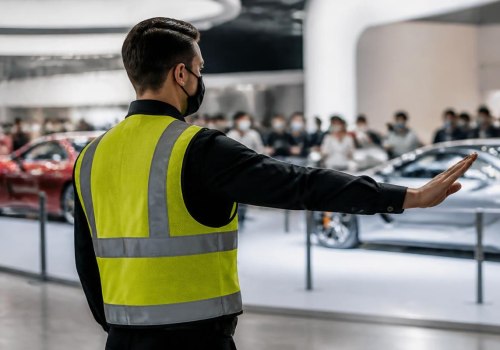
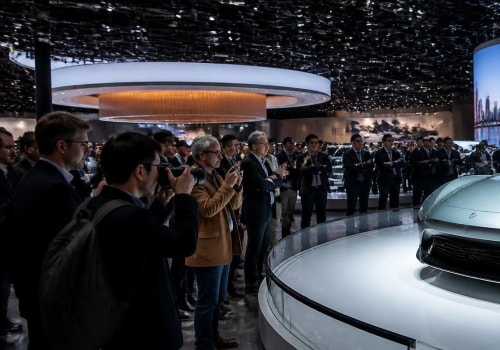
Motor shows have long been a cornerstone of the automotive industry, serving as vibrant platforms where manufacturers unveil their latest innovations and designs. These events, often held in major cities around the world, attract not only industry professionals but also car enthusiasts and the general public. The significance of motor shows extends beyond mere vehicle displays; they are a celebration of engineering prowess, creativity, and the future of transportation. The history of motor shows dates back to the late 19th century, with the first official event taking place in Paris in 1898. Since then, these exhibitions have evolved into grand spectacles that showcase everything from concept cars to production models. Each year, major automotive events like the Geneva International Motor Show and the Los Angeles Auto Show draw attention from global media, highlighting trends and technological advancements that shape the industry. As we delve deeper into the world of motor shows, it becomes clear that they play a crucial role in setting the stage for automotive marketing and consumer engagement.
The unveiling of a new vehicle can create significant buzz, influencing public perception and sales long before a car hits the showroom floor. This dynamic environment not only fosters competition among manufacturers but also provides a unique opportunity for them to connect with their audience on a personal level. In this context, it is fascinating to explore which vehicle holds the title of the most expensive ever displayed at a motor show. This inquiry not only highlights the pinnacle of luxury and innovation in automotive design but also reflects broader trends within the industry regarding exclusivity and high-end consumer preferences.
Understanding the Concept of 'Most Expensive Vehicle'
When discussing the most expensive vehicle ever displayed at a motor show, it is essential to understand what factors contribute to a vehicle's valuation. The term 'most expensive vehicle' does not merely refer to the price tag but encompasses a variety of elements that elevate a car's status in the automotive world.Factors Influencing Vehicle Valuation
- Rarity: One of the primary factors that can significantly increase a vehicle's value is its rarity.
Limited production runs or unique models often fetch higher prices due to their exclusivity. For instance, vehicles like the Bugatti La Voiture Noire are produced in extremely limited numbers, making them highly sought after.
- Technology: Cutting-edge technology can also play a crucial role in determining a vehicle's worth. Cars equipped with advanced features such as hybrid engines, autonomous driving capabilities, or innovative materials often command higher prices. The integration of state-of-the-art technology not only enhances performance but also elevates the brand's prestige.
- Brand Prestige: The reputation of the manufacturer significantly impacts a vehicle's value.
Brands like Ferrari, Lamborghini, and Rolls-Royce are synonymous with luxury and performance, which naturally leads to higher valuations. The history and heritage associated with these brands contribute to their allure and desirability among collectors.
A Brief History of Notable Motor Shows
The history of motor shows is rich and varied, reflecting the evolution of the automotive industry and its cultural significance.These events have served as platforms for manufacturers to unveil their latest innovations, showcase concept vehicles, and engage with enthusiasts and the media alike.One of the earliest and most influential motor shows is the Paris Motor Show, first held in 1898. This event has been pivotal in introducing groundbreaking technologies and designs, setting trends that resonate throughout the automotive world. Over the years, it has featured iconic vehicles such as the Citroën Traction Avant and the Peugeot 208.Another significant event is the Geneva International Motor Show, which began in 1905. Known for its focus on luxury and high-performance vehicles, Geneva has become a hotspot for manufacturers to reveal their most extravagant models. The show often attracts attention for its exclusive premieres, including brands like Ferrari and Lamborghini.The Detroit Auto Show, officially known as the North American International Auto Show (NAIAS), has also played a crucial role in shaping automotive trends since its inception in 1907. As one of the largest auto shows in North America, it highlights innovations from both domestic and international manufacturers, making it a key event for industry insiders.In addition to these historic shows, newer events like the Los Angeles Auto Show and the Shanghai International Automobile Industry Exhibition have emerged as vital platforms for showcasing advancements in electric vehicles and sustainable technologies. These shows reflect a shift in consumer preferences and environmental considerations that are increasingly influencing automotive design.Overall, motor shows have not only celebrated automotive engineering but have also mirrored societal changes, making them essential milestones in the history of transportation.
The Most Expensive Vehicle Ever Displayed: The Bugatti La Voiture Noire
Unveiled at the 2019 Geneva International Motor Show, the Bugatti La Voiture Noire has captured the attention of automotive enthusiasts and collectors alike, not just for its stunning design but also for its staggering price tag of approximately $18.7 million.This one-of-a-kind hypercar pays homage to the legendary Bugatti Type 57 SC Atlantic, a model that is revered in automotive history.The La Voiture Noire stands out with its sleek, aerodynamic silhouette and a body crafted from carbon fiber, which not only enhances its aesthetic appeal but also contributes to its performance. The vehicle is powered by an 8.0-liter quad-turbocharged W16 engine, producing an astonishing 1,479 horsepower and allowing it to reach a top speed of over 260 mph. This combination of power and elegance makes it not just a car, but a piece of art.At the Geneva Motor Show, the Bugatti La Voiture Noire was more than just a display; it was a statement of luxury and exclusivity. The event provided a perfect platform for Bugatti to showcase this masterpiece, drawing in crowds and media attention from around the globe.
The car's unveiling was accompanied by a sense of excitement and anticipation, as attendees marveled at its unique features, including:
- Customizable Interior: The interior is tailored to the owner's specifications, featuring premium materials and cutting-edge technology.
- Distinctive Design Elements: The car boasts a unique rear end with six exhaust tips and an elongated body that sets it apart from other models.
- Limited Production: As a one-off model, La Voiture Noire is not just expensive; it is also incredibly rare.
Other Noteworthy Expensive Vehicles at Motor Shows
While the Bugatti La Voiture Noire holds the title for the most expensive vehicle ever displayed at a motor show, several other remarkable and high-value vehicles have also graced these prestigious events. Here are some noteworthy examples:- Pagani Zonda HP Barchetta : Unveiled at the 2018 Pebble Beach Concours d'Elegance, this limited-edition hypercar is priced at around $17.5 million. With its unique design and powerful V12 engine, it captures the essence of luxury and performance.
- Rolls-Royce Sweptail : Showcased at the Concorso d'Eleganza Villa d'Este in 2017, this bespoke vehicle was commissioned for a private client and is valued at approximately $13 million.
Its exquisite craftsmanship and personalized features make it a standout in the world of luxury vehicles.
- Lamborghini Veneno : First revealed at the 2013 Geneva Motor Show, the Veneno is priced at around $4.5 million. With its aggressive styling and a top speed of 221 mph, it exemplifies Lamborghini's commitment to performance and exclusivity.
- Koenigsegg CCXR Trevita : This ultra-rare hypercar was displayed at the 2009 Geneva Motor Show and comes with a staggering price tag of $4.8 million. Its unique diamond-coated carbon fiber finish sets it apart from other luxury vehicles.
The Impact of Motor Shows on Automotive Trends and Sales
Motor shows serve as a pivotal platform for the automotive industry, significantly influencing automotive trends and shaping consumer preferences.These events not only showcase the latest innovations but also set the stage for future market directions. When manufacturers unveil high-value vehicles, such as luxury cars or groundbreaking electric models, they often create a ripple effect that can redefine industry standards.One of the most notable impacts of motor shows is their ability to generate buzz around new technologies and designs. For instance, when a manufacturer reveals a concept car that features cutting-edge technology, it can inspire competitors to innovate in similar ways. This phenomenon is particularly evident in the electric vehicle (EV) sector, where motor shows have become a battleground for showcasing advancements in battery technology and sustainable practices.
- Trendsetting Vehicles: High-value vehicles displayed at motor shows often set trends that influence consumer buying behavior.
For example, the introduction of a luxury electric SUV can lead to increased interest in EVs across various market segments.
- Sales Influence: The excitement generated at these events can translate into immediate sales boosts. Consumers who attend motor shows are often eager to place orders for vehicles they’ve seen firsthand, leading to increased sales figures shortly after the event.
- Media Coverage: Extensive media coverage of motor shows amplifies their impact. When high-profile vehicles are featured in news articles and social media, they reach a broader audience, further driving interest and potential sales.
FAQs About Motor Shows and Expensive Vehicles
Motor shows are a hub of innovation and luxury, often showcasing some of the most expensive vehicles in the world.Here are some frequently asked questions regarding motor shows and the high-end vehicles displayed at these events.
- What is the most expensive vehicle ever displayed at a motor show?
The title of the most expensive vehicle displayed at a motor show often goes to unique models like the Bugatti La Voiture Noire, which was unveiled at the Geneva International Motor Show. Priced at around $18 million, this one-of-a-kind hypercar captures attention with its stunning design and unparalleled performance. - How do motor shows determine which vehicles to display?
Motor shows typically curate their displays based on factors such as innovation, luxury, and market trends. Manufacturers often showcase their latest models, concept cars, and limited editions to attract media attention and potential buyers. - Are there any special events for luxury vehicles at motor shows?
Yes, many motor shows feature exclusive events or sections dedicated to luxury vehicles. These areas often include private viewings, test drives, and opportunities to meet with designers and engineers behind these high-end models. - What should I expect when attending a motor show?
Attendees can expect to see a wide range of vehicles, from electric cars to supercars.Additionally, there are often interactive exhibits, presentations from industry leaders, and opportunities to network with other car enthusiasts.
Conclusion: The Legacy of High-Value Vehicles in Motor Shows
In conclusion, the presence of high-value vehicles at motor shows not only captivates audiences but also sets a benchmark for innovation and luxury in the automotive industry. The most expensive vehicle ever displayed, with its staggering price tag, serves as a testament to the evolving standards of design, technology, and craftsmanship that manufacturers strive to achieve.The significance of these high-end vehicles extends beyond mere price; they embody the aspirations of both manufacturers and consumers. As we have explored, each motor show acts as a platform where automotive brands showcase their latest advancements, and the inclusion of ultra-luxury models elevates the event's prestige.This trend encourages competition among automakers to push boundaries and redefine what is possible in vehicle design.
- Innovation: High-value vehicles often feature cutting-edge technology that trickles down to more affordable models.
- Brand Identity: Luxury vehicles help brands establish a strong identity and attract a dedicated customer base.
- Market Trends: The display of expensive models can influence market trends, prompting shifts in consumer preferences.