Motor shows are vibrant exhibitions that showcase the latest innovations and trends in the automotive industry. These events serve as a crucial platform for manufacturers, designers, and enthusiasts to come together and celebrate the evolution of vehicles. From concept cars to electric vehicles, motor shows highlight the cutting-edge technology that shapes the future of transportation. They not only provide a glimpse into what’s next for car lovers but also play a significant role in influencing consumer preferences and industry standards.The importance of motor shows extends beyond mere display; they are pivotal in fostering connections between automakers and their target audiences.
Attendees have the unique opportunity to interact with industry experts, experience new models firsthand, and participate in discussions about sustainability and innovation. This interaction is vital for brands looking to gauge public interest and gather feedback on their latest offerings. Moreover, motor shows often attract significant media coverage, amplifying their impact on brand visibility and consumer awareness.As we delve deeper into the world of motor shows, it’s essential to examine attendance trends that reflect their popularity and significance. Understanding the average attendance at these events can provide insights into consumer engagement and the overall health of the automotive market.
With fluctuating attendance figures influenced by factors such as economic conditions, technological advancements, and changing consumer behaviors, analyzing these trends will help us appreciate the evolving landscape of motor shows.
What Are Motor Shows?
Motor shows are large-scale exhibitions that showcase the latest innovations, designs, and technologies in the automotive industry. These events serve as a platform for manufacturers to unveil new models, concept cars, and advancements in automotive technology, attracting both industry professionals and car enthusiasts alike.There are several types of motor shows, each catering to different audiences and purposes:- International Motor Shows: These are held in major cities around the world, such as the Geneva International Motor Show and the Los Angeles Auto Show. They attract global attention and feature a wide array of manufacturers from various countries.
- Regional Motor Shows: Smaller in scale, these shows focus on local markets and often highlight regional manufacturers. Examples include the Chicago Auto Show and the New York International Auto Show.
- Specialty Shows: These events may focus on specific themes, such as electric vehicles or classic cars, providing a niche platform for enthusiasts and collectors.
However, as the automobile industry grew, so did the scale and significance of these shows. By the mid-20th century, motor shows had evolved into major events that not only showcased vehicles but also served as a barometer for industry trends and consumer preferences.Today, motor shows continue to play a crucial role in the automotive landscape, providing a unique opportunity for manufacturers to engage with consumers and industry stakeholders while setting the stage for future innovations.
Average Attendance at Major Motor Shows
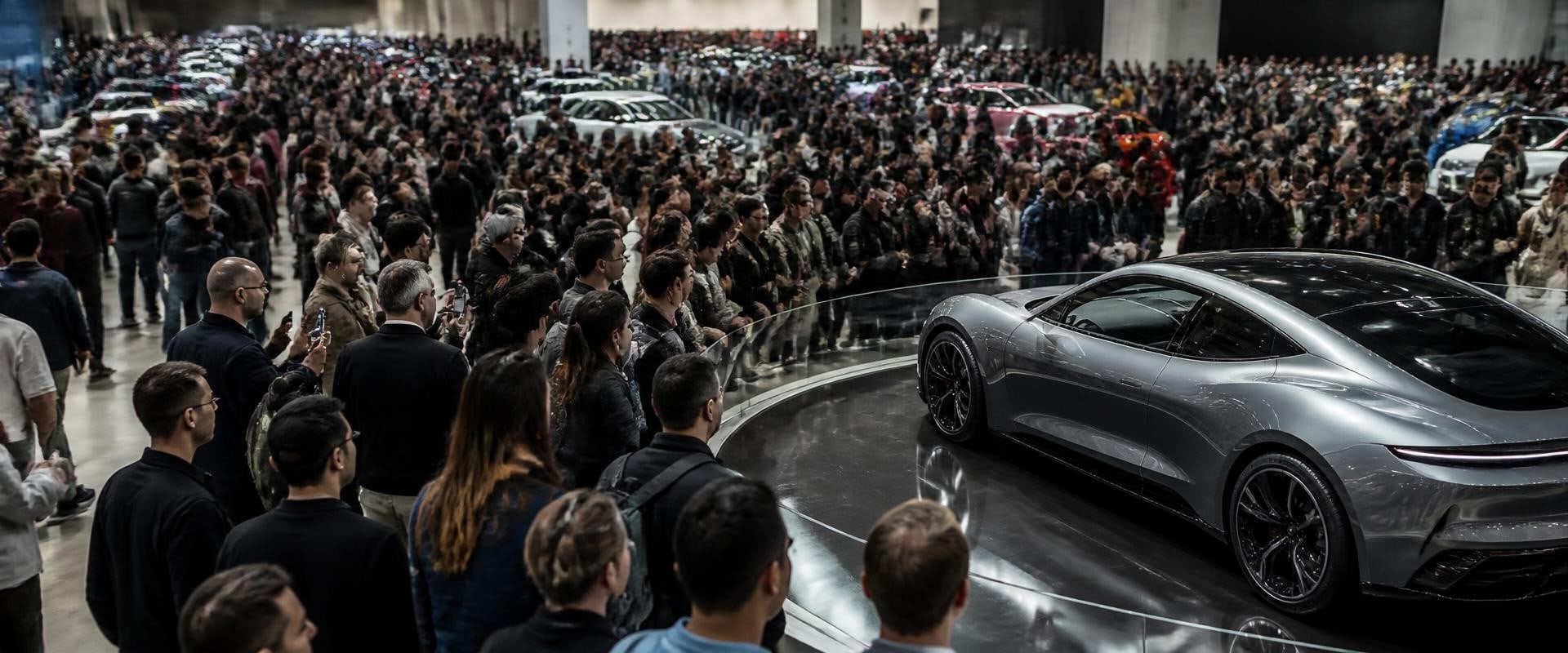
When examining the average attendance at major motor shows, it becomes evident that these events attract a significant number of automotive enthusiasts, industry professionals, and the general public. Attendance figures can vary widely depending on the location, scale, and reputation of the show.For instance, the Geneva International Motor Show, one of the most prestigious events in the automotive calendar, typically sees attendance figures around 600,000 visitors over its duration. In contrast, the Los Angeles Auto Show often attracts approximately 1 million attendees , showcasing its status as a major event in North America.Global Attendance Trends
Across various continents, attendance statistics reveal interesting trends:- Europe: Major shows like the Frankfurt Motor Show can draw in excess of 800,000 visitors , reflecting Europe's strong automotive culture.
- Asia: The Tokyo Motor Show typically sees around 1 million attendees , highlighting Japan's pivotal role in the automotive industry.
- North America: The Detroit Auto Show has historically attracted around 700,000 visitors , although recent years have seen fluctuations due to changing consumer interests.
For example, during the COVID-19 pandemic, many motor shows experienced significant declines in attendance or were canceled altogether.In summary, while average attendance at major motor shows can range from several hundred thousand to over a million, these figures are influenced by a multitude of factors. Understanding these trends is essential for manufacturers and marketers aiming to maximize their impact at these influential events.
Factors Influencing Attendance at Motor Shows
Attendance at motor shows can be influenced by a variety of factors, each playing a crucial role in determining how many visitors walk through the doors. Understanding these factors is essential for organizers and exhibitors alike.Economic Conditions
The state of the economy significantly impacts attendance at motor shows. During periods of economic growth, consumers are more likely to spend on leisure activities, including attending events.Conversely, during economic downturns, potential attendees may prioritize essential expenses over entertainment. Additionally, the automotive industry itself is sensitive to economic fluctuations; when car sales are strong, manufacturers are more inclined to showcase their latest models at these events.
Marketing Strategies
Effective marketing strategies can greatly enhance attendance numbers. Organizers who utilize a mix of traditional and digital marketing techniques—such as social media campaigns, email newsletters, and partnerships with influencers—can reach a broader audience. Promotions like early bird ticket discounts or family packages can also attract more visitors.Furthermore, engaging content that highlights unique features of the show, such as exclusive vehicle unveilings or celebrity appearances, can create buzz and draw in crowds.
Location and Accessibility
The location of a motor show plays a pivotal role in its success. Shows held in major metropolitan areas tend to attract larger crowds due to higher population density and better accessibility via public transportation. Additionally, venues that offer ample parking and are situated near hotels and restaurants can enhance the overall experience for attendees, making it more likely they will attend.In summary, the interplay between economic conditions, marketing strategies, and location significantly influences attendance at motor shows. By understanding these factors, organizers can better plan their events to maximize visitor turnout.Comparative Analysis of Attendance Across Different Regions
When examining motor show attendance, it is essential to consider the regional differences that significantly influence visitor numbers.Each region has its unique automotive culture, economic conditions, and consumer interests, which can lead to varying attendance figures.
North America
In North America, major events like the Detroit Auto Show and the Los Angeles Auto Show typically attract large crowds, with attendance often exceeding 800,000 visitors over several days. The appeal of these shows lies in their ability to showcase both domestic and international brands, alongside innovative technologies and concepts.Europe
Europeans also have a strong affinity for motor shows, with events such as the Geneva International Motor Show and the Frankfurt Motor Show drawing significant crowds. Attendance at these shows can reach upwards of 1 million visitors, reflecting the region's rich automotive heritage and the presence of numerous luxury and performance brands.Asia
In Asia, particularly in countries like China and Japan, motor show attendance has seen remarkable growth. The Shanghai Auto Show, for instance, has become one of the largest in the world, with attendance figures often surpassing 1 million.This surge is driven by a rapidly growing middle class and increasing interest in electric vehicles.
Global Trends
A comparative analysis reveals that while attendance at motor shows is generally high across all regions, factors such as economic stability, technological advancements, and cultural preferences play a crucial role in shaping these figures. For instance, regions experiencing economic downturns may see a decline in attendance as consumers prioritize spending. Conversely, areas with booming automotive markets tend to witness increased participation.Overall, understanding these regional differences not only highlights the global trends in motor show attendance, but also provides insights into consumer behavior and industry shifts that are essential for manufacturers and marketers alike.Impact of Digital Transformation on Motor Show Attendance
The digital transformation has significantly reshaped the landscape of motor shows, influencing both attendance and engagement levels. As technology continues to evolve, traditional motor shows are adapting to incorporate digital elements that enhance the visitor experience.One of the most notable changes is the rise of virtual motor shows.These online events allow manufacturers to showcase their latest models and innovations without the constraints of physical space. Attendees can explore vehicles through immersive 3D experiences, watch live-streamed presentations, and interact with industry experts from the comfort of their homes. This shift has made motor shows more accessible to a global audience, breaking down geographical barriers that previously limited attendance.Moreover, the trend towards online attendance has been accelerated by recent global events, prompting many organizers to offer hybrid formats that combine in-person and virtual experiences. This approach not only caters to those who prefer attending in person but also attracts a wider audience who may not have been able to travel to a physical venue.As a result, online attendance trends have shown a marked increase.
Reports indicate that virtual motor shows can attract millions of viewers, far surpassing the typical foot traffic seen at traditional events. This shift highlights a growing preference for digital engagement, where potential buyers can research and compare vehicles without the pressure of a crowded showroom.In conclusion, while traditional motor shows still hold value for direct interaction and tactile experiences, the impact of digital transformation cannot be overlooked. The integration of virtual elements not only enhances accessibility but also provides new opportunities for manufacturers to engage with their audience in innovative ways.
Future Trends in Motor Show Attendance
As the automotive industry continues to evolve, so too does the landscape of motor shows. Future trends in attendance are likely to be influenced by several key factors, including technological advancements, changing consumer preferences, and the overall economic climate.Technological Integration
- The rise of virtual and augmented reality is expected to play a significant role in enhancing the motor show experience.
These technologies can provide immersive experiences that attract a younger audience, potentially increasing attendance.
- Live streaming of events and interactive online platforms may also allow those unable to attend in person to engage with the shows, broadening the reach and impact of these events.
- As consumers become more environmentally conscious, there is a growing interest in electric vehicles (EVs) and sustainable automotive practices. Future motor shows may see increased attendance from individuals eager to learn about innovations in this area.
- The demand for personalized experiences is on the rise. Motor shows that offer tailored experiences or exclusive previews may attract larger crowds as attendees seek unique interactions with brands.
- The overall economic environment will continue to influence attendance. In times of economic prosperity, more people are likely to attend motor shows as disposable income increases.
Conversely, during economic downturns, attendance may decline.
- Sponsorship and partnerships with tech companies could also enhance the appeal of motor shows, potentially leading to increased attendance through innovative exhibits and attractions.
Frequently Asked Questions About Motor Show Attendance
Motor shows are exciting events that attract a diverse audience, and many attendees have questions about what to expect. Here are some frequently asked questions regarding motor show attendance:- What is the average attendance at a motor show?
The average attendance can vary significantly depending on the location and scale of the event. Major international motor shows, such as the Geneva International Motor Show or the Los Angeles Auto Show, can attract hundreds of thousands of visitors, often exceeding 1 million attendees over the course of the event.Smaller regional shows may see attendance figures in the tens of thousands.
- What should I expect at a motor show?
Motor shows typically feature a wide range of activities and displays, including:
- New vehicle unveilings: Many manufacturers use these events to showcase their latest models and innovations.
- Interactive exhibits: Attendees can often engage with virtual reality experiences, test drives, and other hands-on activities.
- Industry panels and discussions: These sessions provide insights into automotive trends, technology advancements, and sustainability efforts.
- Are motor shows family-friendly?
Yes, most motor shows are designed to be family-friendly, offering activities for all ages. Many events feature dedicated areas for children, interactive displays, and entertainment options that make it enjoyable for families.
Conclusion: Key Takeaways on Motor Show Attendance Trends
In conclusion, understanding the attendance trends at motor shows is crucial for industry stakeholders, including manufacturers, marketers, and event organizers. The data reveals that attendance can fluctuate significantly based on various factors such as location, timing, and the overall economic climate.Key takeaways from our analysis include:- Historical Attendance Patterns: Over the years, major motor shows have seen varying attendance figures, often influenced by the introduction of new models and technological advancements.
- Impact of Global Events: Events like the COVID-19 pandemic have drastically affected attendance numbers, leading to virtual showcases and hybrid events that cater to a broader audience.
- Regional Differences: Attendance can vary widely between different regions.
For instance, shows in metropolitan areas tend to attract larger crowds compared to those in smaller cities.
- Consumer Engagement: The rise of digital marketing and social media has transformed how motor shows engage with potential attendees, making it essential for organizers to adapt their strategies accordingly.