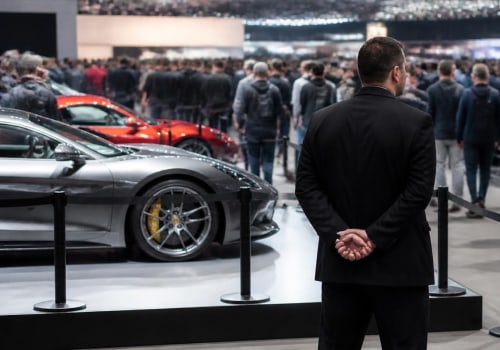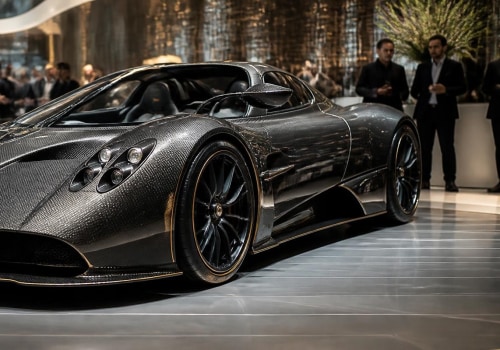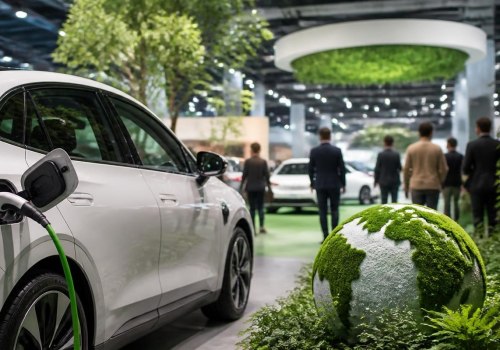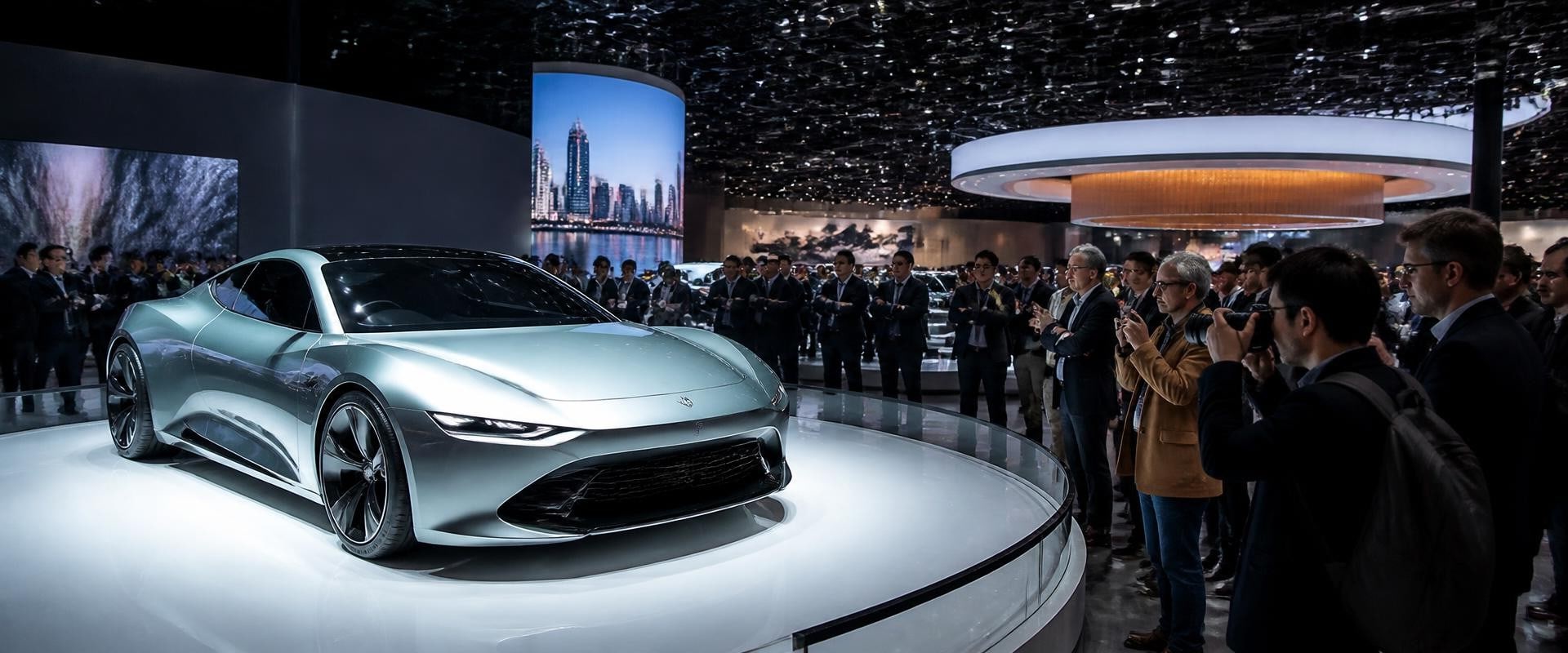
Motor shows are dynamic events that showcase the latest innovations and trends in the automotive industry. These exhibitions serve as a platform for manufacturers to unveil new models, concept cars, and cutting-edge technologies.
Motor shows
attract not only industry professionals but also car enthusiasts and the general public, creating a vibrant atmosphere where passion for automobiles is palpable. The significance of motor shows extends beyond mere displays of vehicles; they play a crucial role in shaping consumer perceptions and influencing purchasing decisions. By providing a firsthand experience of new cars, these events allow potential buyers to interact with vehicles, ask questions, and gain insights directly from manufacturers.This interaction fosters a deeper connection between consumers and brands, making motor shows an essential marketing tool in the automotive sector. Moreover, motor shows often feature discussions and panels that address pressing issues in the industry, such as sustainability and technological advancements. This educational aspect not only informs attendees but also highlights the industry's commitment to innovation and environmental responsibility. As we delve deeper into the frequency of these events, it becomes clear that their impact on the automotive landscape is profound and far-reaching.
The Annual Calendar of Motor Shows
Each year, the automotive industry showcases its latest innovations and designs through a series of motor shows held around the globe. On average, there are approximately 50 to 70 major motor shows that take place annually, with events varying in size and significance.Regional Breakdown
- North America: The United States hosts several prominent motor shows, including the North American International Auto Show in Detroit and the Los Angeles Auto Show.
These events attract significant media attention and industry participation.
- Europe: Europe is home to some of the largest motor shows, such as the Geneva International Motor Show, Frankfurt Motor Show, and Paris Motor Show. These events often set trends for the automotive market.
- Asia: In Asia, the Tokyo Motor Show and the Shanghai International Automobile Industry Exhibition are key events that highlight advancements in technology and design from leading manufacturers.
- Other Regions: Emerging markets in South America and Africa are also beginning to host their own motor shows, contributing to the global calendar.
The Impact of Motor Shows
The significance of these events extends beyond mere exhibitions; they serve as a platform for networking among industry professionals, fostering partnerships, and showcasing technological advancements.As such, understanding the annual calendar of motor shows is crucial for stakeholders in the automotive sector.In conclusion, while the number of motor shows may fluctuate annually, their role in shaping the automotive landscape remains constant. Keeping track of these events is essential for anyone involved in or following the automotive industry.
Major Motor Shows Around the World
Motor shows are pivotal events in the automotive industry, showcasing the latest innovations, designs, and technologies. Among the numerous motor shows held globally, a few stand out due to their historical significance, attendance figures, and the impact they have on the automotive market.Geneva International Motor Show
The Geneva International Motor Show, held annually in Switzerland, is one of the most prestigious motor shows in the world. It typically attracts over 600,000 visitors and features more than 180 exhibitors.This show is renowned for its focus on luxury and high-performance vehicles, making it a hotspot for car enthusiasts and industry professionals alike. The event often serves as a platform for major car manufacturers to unveil their latest models and concept cars.
Detroit Auto Show
Another significant event is the Detroit Auto Show, officially known as the North American International Auto Show (NAIAS). Taking place in January, this show is crucial for the North American automotive market. It draws around 800,000 attendees and showcases a wide range of vehicles from domestic and international manufacturers.The Detroit Auto Show is particularly notable for its emphasis on innovation and technology, often featuring electric and autonomous vehicles.
Tokyo Motor Show
The Tokyo Motor Show, held every two years in Japan, is another key player in the global motor show circuit. This event highlights Japan's automotive prowess and often features cutting-edge technology and futuristic designs. With an attendance of approximately 1 million visitors, it serves as a platform for Japanese automakers to present their latest advancements while also attracting international brands eager to tap into the Asian market.Other Notable Motor Shows
- Paris Motor Show: Known for its rich history and focus on eco-friendly vehicles.
- Los Angeles Auto Show: A major event that emphasizes new trends in the automotive industry.
- Shanghai International Automobile Industry Exhibition: One of the largest auto shows in Asia, showcasing rapid growth in the Chinese automotive market.
Regional Variations in Motor Shows
Motor shows are not just events; they are a reflection of the automotive culture and market dynamics in different regions.The regional variations in motor shows can be quite pronounced, influenced by local consumer preferences, industry trends, and even cultural factors.
Motor Shows by Region
In Europe, for instance, motor shows like the Geneva International Motor Show and the Frankfurt Motor Show are renowned for their focus on innovation and luxury vehicles. These events often showcase cutting-edge technology and concept cars, attracting a sophisticated audience that includes industry professionals, media, and car enthusiasts. The emphasis here is on sustainability and electric vehicles, reflecting the European market's shift towards greener alternatives.Conversely, American motor shows such as the Detroit Auto Show tend to highlight muscle cars and trucks, catering to a different set of consumer interests. The focus is often on performance and power, with manufacturers showcasing their latest models that appeal to the American lifestyle.This regional difference underscores how local markets shape the themes and presentations at these events.
Audience Engagement
The way audiences engage with motor shows also varies significantly by region. In Asia, particularly in countries like China, motor shows have become massive spectacles that attract millions of visitors. These events often feature interactive displays and virtual reality experiences that allow attendees to engage with vehicles in innovative ways. This contrasts sharply with more traditional formats seen in Europe or North America, where the focus may be more on press releases and industry networking.Industry Focus
The industry focus at motor shows can also differ based on regional priorities.For example, while European shows may prioritize electric vehicles and sustainability initiatives, Asian markets might emphasize technological advancements such as autonomous driving features. Understanding these regional differences is crucial for manufacturers looking to tailor their marketing strategies effectively.In summary, the diversity of motor shows across different regions highlights the unique automotive landscapes that exist worldwide. By recognizing these variations, stakeholders can better navigate the global automotive market and align their offerings with local consumer expectations.
The Impact of COVID-19 on Motor Shows
The COVID-19 pandemic has had a profound impact on the motor shows industry, leading to significant changes in scheduling, format, and overall attendance. As countries implemented lockdowns and social distancing measures, many major motor shows were either canceled or postponed, disrupting the traditional calendar that enthusiasts and manufacturers relied upon.Initially, the pandemic forced organizers to rethink how motor shows could be conducted safely.Virtual events emerged as a viable alternative, allowing manufacturers to showcase their latest models online. This shift not only catered to health concerns but also opened up new avenues for global reach, enabling audiences who might not have attended in person to engage with the content.
Changes in Frequency Post-Pandemic
As the world gradually recovers from the pandemic, the frequency of motor shows has been affected. Some events have returned to their original schedules, while others have adopted a more cautious approach. For instance:- Hybrid Formats: Many shows are now incorporating both in-person and virtual elements, allowing for greater flexibility and accessibility.
- Reduced Size: Some organizers are opting for smaller, more focused events that prioritize quality over quantity.
- Regional Focus: There is a noticeable trend towards regional shows that cater specifically to local markets rather than large international gatherings.
The Future of Motor Shows After COVID-19
The future of motor shows appears to be evolving in response to the lessons learned during the pandemic.Industry experts suggest that:
- Sustainability: There will be an increased emphasis on sustainability and electric vehicles, reflecting broader industry trends.
- Enhanced Digital Experiences: The integration of technology will likely continue to enhance visitor experiences, with augmented reality and interactive displays becoming more common.
- Community Engagement: Organizers may focus more on community engagement and local partnerships to foster a sense of connection among attendees.
Future Trends in Motor Shows
The future of motor shows is poised for significant transformation as the automotive industry adapts to changing consumer preferences and technological advancements. One of the most notable trends is the rise of virtual events. With the increasing reliance on digital platforms, many motor shows are exploring hybrid formats that combine in-person experiences with online accessibility.This shift not only broadens the audience reach but also allows manufacturers to showcase their innovations to a global audience without the constraints of physical attendance.In addition to virtual formats, sustainability initiatives are becoming a focal point for many automotive exhibitions. As environmental concerns grow, motor shows are increasingly emphasizing green technologies and sustainable practices. This includes showcasing electric vehicles (EVs), promoting eco-friendly materials, and implementing waste reduction strategies at events. By prioritizing sustainability, motor shows can align themselves with the values of modern consumers who are more environmentally conscious.Moreover, the integration of advanced technologies such as augmented reality (AR) and virtual reality (VR) is set to enhance visitor engagement.
These technologies allow attendees to experience vehicles in immersive ways, providing a deeper understanding of features and functionalities. For instance, potential buyers can take virtual test drives or explore intricate details of a car's design without being physically present.As we look ahead, it is clear that the trends in automotive exhibitions will continue to evolve. The focus will likely shift towards creating more interactive and personalized experiences for attendees. This could involve leveraging data analytics to tailor content and presentations based on visitor preferences, ensuring that each participant leaves with valuable insights.In conclusion, the future of motor shows is bright, driven by innovation and a commitment to sustainability.
As these events adapt to new technologies and consumer expectations, they will remain a vital platform for showcasing the latest advancements in the automotive industry.
FAQs About Motor Shows
Motor shows are exciting events that attract car enthusiasts, industry professionals, and the general public alike. Here are some frequently asked questions about motor shows that can help you prepare for your visit.What can I expect at a motor show?
At a motor show, you can expect to see:- New vehicle launches: Many manufacturers unveil their latest models and concepts.
- Interactive displays: Some shows feature virtual reality experiences and interactive exhibits.
- Industry panels: Discussions led by experts on trends and innovations in the automotive sector.
- Test drives: Opportunities to test drive new vehicles, depending on the show.
How do I prepare for attending a motor show?
To make the most of your experience, consider the following tips:- Plan your visit: Check the schedule for specific events or presentations you want to attend.
- Buy tickets in advance: This can save you time and sometimes money.
- Dress comfortably: You may be walking or standing for long periods.
- Bring a notepad: Jot down notes about vehicles or features that interest you.
Are motor shows suitable for families?
Absolutely! Many motor shows offer family-friendly activities, including:- Kid zones: Areas designed specifically for children with games and activities.
- Demos and workshops: Engaging sessions that educate attendees about automotive technology.
- Food and entertainment: Various food options and live performances to keep everyone entertained.
Conclusion: The Significance of Motor Shows in the Automotive Industry
In conclusion, the world of motor shows plays a pivotal role in shaping the automotive industry. Throughout this article, we have explored the frequency and significance of these events, highlighting how they serve as a platform for manufacturers to unveil new models, showcase innovative technologies, and engage with consumers. Motor shows are not merely exhibitions; they are vital gatherings that foster connections between automakers, industry professionals, and car enthusiasts.The annual calendar is filled with numerous prestigious events across the globe, each contributing uniquely to the automotive landscape. From the renowned Geneva International Motor Show to the bustling Los Angeles Auto Show, these events attract millions of visitors and generate substantial media coverage. Moreover, motor shows provide an opportunity for manufacturers to gauge consumer interest and market trends. By observing attendee reactions and gathering feedback, companies can refine their strategies and product offerings. This interaction is crucial in an industry that is constantly evolving due to technological advancements and changing consumer preferences. As we look ahead, the importance of motor shows will likely continue to grow.
With the rise of electric vehicles and autonomous driving technology, these events will be essential for educating the public and promoting new innovations. In summary, understanding the frequency and impact of motor shows is essential for anyone interested in the future of the automotive industry.