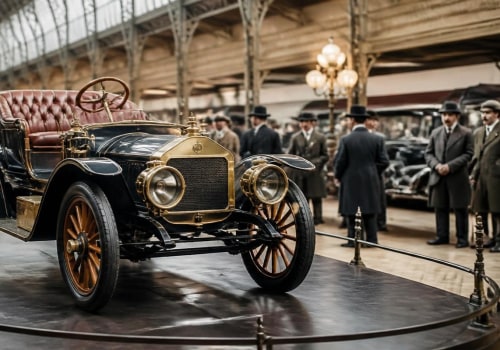
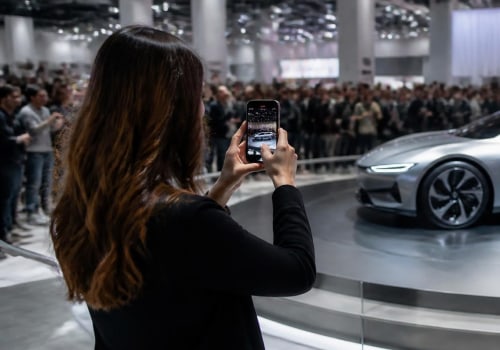
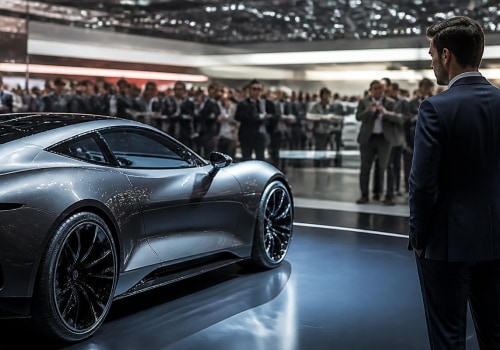
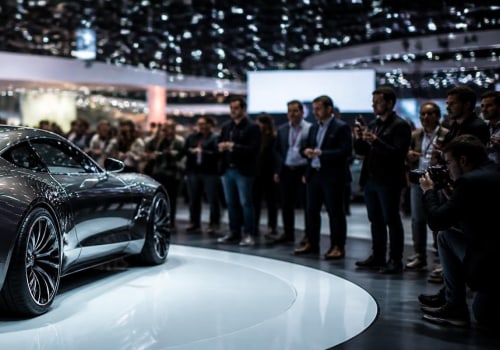
Motor shows have long been a cornerstone of the automotive industry, serving as vibrant platforms where manufacturers unveil their latest innovations and technologies. These events, often held in major cities around the world, attract not only industry professionals but also car enthusiasts and the general public. The significance of motor shows extends beyond mere vehicle unveilings; they represent a convergence of creativity, engineering, and consumer trends that shape the future of transportation.Historically, motor shows have been pivotal in introducing groundbreaking automotive technologies. From the first mass-produced vehicles to the latest advancements in electric and autonomous driving, these exhibitions have showcased the evolution of car technology.
As manufacturers strive to meet changing consumer demands and environmental regulations, motor shows become essential venues for demonstrating how new innovations can enhance safety, efficiency, and sustainability.In recent years, the focus at motor shows has shifted towards electrification and connectivity, reflecting broader trends in the automotive landscape. Attendees can expect to see a plethora of electric vehicles (EVs), hybrid models, and cutting-edge infotainment systems that redefine the driving experience. As we delve deeper into this article, we will explore some of the most exciting technologies unveiled at recent motor shows and discuss their potential impact on the future of mobility.
Key Technologies Unveiled at Recent Motor Shows
Recent motor shows have become a hotbed for unveiling groundbreaking technologies that are shaping the future of the automotive industry. Among the most notable advancements are in the realm of electric vehicles (EVs) and autonomous driving systems.Electric Vehicle Innovations
One of the standout features at this year's motor shows has been the introduction of next-generation electric vehicles.Manufacturers are focusing on enhancing battery technology, with several brands showcasing models that can achieve over 400 miles on a single charge. For instance, a leading automaker unveiled a prototype equipped with a solid-state battery, promising faster charging times and improved safety compared to traditional lithium-ion batteries.
Autonomous Driving Technologies
The push towards autonomous driving has also gained significant momentum. Several companies presented their latest advancements in self-driving technology, including sophisticated sensor systems and AI-driven algorithms that enhance vehicle perception and decision-making. A notable highlight was an innovative vehicle that demonstrated Level 4 autonomy, capable of navigating complex urban environments without human intervention.Smart Connectivity Features
In addition to EVs and autonomous systems, motor shows have showcased smart connectivity features that integrate vehicles with smart city infrastructure.This includes vehicle-to-everything (V2X) communication systems that allow cars to interact with traffic signals, other vehicles, and even pedestrians to improve safety and traffic flow.The emphasis on sustainability is also evident, with many manufacturers unveiling eco-friendly materials used in vehicle interiors and exteriors. These innovations not only reduce the carbon footprint but also enhance the overall aesthetic appeal of modern vehicles.As we look ahead, it is clear that motor shows will continue to be pivotal in presenting these transformative technologies, setting the stage for a new era in automotive innovation.
The Role of Electric Vehicles in Modern Motor Shows
In recent years, motor shows have increasingly become platforms for showcasing the latest advancements in electric vehicles (EVs). As the automotive industry shifts towards sustainability, these events highlight innovations that not only enhance vehicle performance but also promote environmental consciousness.One of the most significant trends observed at motor shows is the unveiling of cutting-edge EV models that cater to a diverse range of consumers. Major manufacturers are now presenting vehicles that combine sleek design with advanced technology, making electric cars more appealing than ever.For instance, brands like Tesla, Ford, and Volkswagen have introduced models that boast impressive ranges, rapid charging capabilities, and enhanced safety features.
Innovations in EV Technology
Beyond just new models, motor shows are also a hotbed for EV innovations. Key technologies being showcased include:- Battery Technology: Advances in battery efficiency and longevity are crucial for the future of electric vehicles. Manufacturers are now developing solid-state batteries that promise faster charging times and greater energy density.
- Autonomous Driving: Many electric vehicles are being equipped with autonomous driving features, enhancing safety and convenience for drivers. These technologies are often demonstrated live at motor shows, allowing attendees to experience them firsthand.
- Sustainable Materials: The use of recycled and eco-friendly materials in vehicle production is gaining traction.
Motor shows highlight how manufacturers are integrating sustainability into their design processes.
Innovations in Autonomous Driving Technologies
In recent years, motor shows have become pivotal platforms for unveiling groundbreaking advancements in autonomous driving technologies.Major automotive manufacturers and tech companies are leveraging these events to showcase their latest innovations in self-driving technology, highlighting the rapid evolution of this field.One of the standout features at this year's motor shows was the introduction of advanced sensor systems that enhance vehicle perception. These systems utilize a combination of LIDAR, radar, and camera technologies to create a comprehensive 360-degree view of the vehicle's surroundings. This multi-faceted approach allows for improved obstacle detection and navigation in complex environments.
Key Players and Their Contributions
- Tesla: Known for its cutting-edge Autopilot system, Tesla continues to push the envelope with updates that enhance its vehicles' self-driving capabilities, including improved AI algorithms that learn from real-world driving data.
- Waymo: As a leader in autonomous vehicle technology, Waymo showcased its latest fleet of self-driving minivans equipped with state-of-the-art safety features and enhanced machine learning capabilities.
- Ford: At the motor show, Ford unveiled its plans for integrating autonomous technology into its commercial vehicles, aiming to revolutionize logistics and delivery services.
- General Motors: GM's Cruise division presented its latest advancements in urban autonomous driving, focusing on navigating city streets safely and efficiently.
This capability is crucial for ensuring safety and reliability as self-driving cars interact with unpredictable elements like pedestrians and cyclists.Moreover, many manufacturers are emphasizing the importance of collaboration with tech firms to enhance their autonomous driving solutions. Partnerships between automotive companies and software developers are fostering innovation, leading to more robust and reliable self-driving systems.As we look ahead, it is clear that motor shows will continue to serve as a vital stage for showcasing the future of transportation. The advancements in autonomous vehicles presented at these events not only reflect current technological capabilities but also set the tone for the industry's direction in the coming years.
Emerging Trends in Automotive Design and Technology
As motor shows continue to evolve, they serve as a vital platform for unveiling emerging trends in automotive design and technology. This year, several key innovations have captured the attention of industry experts and enthusiasts alike.Innovative Materials
One of the most notable trends is the use of lightweight and sustainable materials.Manufacturers are increasingly adopting composites and recycled materials to enhance fuel efficiency while reducing environmental impact. For instance, some brands showcased vehicles featuring biodegradable plastics and carbon fiber, which not only improve performance but also align with growing consumer demand for sustainability.
Connectivity Features
The integration of advanced connectivity features is another significant trend observed at recent motor shows. Automakers are focusing on creating a seamless digital experience for drivers and passengers. Key innovations include:- 5G technology for faster data transfer and improved vehicle-to-everything (V2X) communication.
- Smart infotainment systems that offer personalized content and voice-activated controls.
- Over-the-air updates that allow manufacturers to enhance vehicle performance and features without requiring a visit to the dealership.
User Experience Enhancements
In addition to materials and connectivity, motor shows have highlighted a shift towards enhancing the overall user experience.This includes:
- Augmented reality (AR) displays that provide real-time information about the vehicle's surroundings.
- Customizable interior layouts, allowing users to adapt their driving environment based on personal preferences.
- Advanced driver-assistance systems (ADAS), which are becoming more sophisticated, offering features like automated parking and adaptive cruise control.
Impact of Motor Shows on Consumer Preferences and Industry Direction
Motor shows serve as a pivotal platform for the automotive industry, significantly influencing consumer preferences and shaping market trends. These events not only showcase the latest innovations but also provide a unique opportunity for manufacturers to gauge public reaction to new models and technologies.One of the most notable impacts of motor shows is their ability to highlight emerging automotive industry trends. For instance, the increasing focus on sustainability has led many manufacturers to unveil electric and hybrid vehicles at these events.This shift reflects a growing consumer demand for environmentally friendly options, which is becoming a decisive factor in purchasing decisions.
- Consumer Engagement: Motor shows allow consumers to interact directly with vehicles, providing feedback that can influence future designs and features.
- Trend Identification: By observing which models attract the most attention, manufacturers can identify trends that resonate with consumers, such as advanced safety features or connectivity options.
- Brand Loyalty: Engaging displays and interactive experiences at motor shows can enhance brand loyalty, as consumers develop a personal connection with the brands they favor.
By understanding how these events shape preferences and trends, stakeholders can better navigate the evolving landscape of the automotive market.
Frequently Asked Questions About Motor Shows and Innovations
Motor shows are a hub of innovation and excitement in the automotive industry, often unveiling the latest technologies and trends. Here are some frequently asked questions regarding motor shows and the innovations showcased at these events.What types of innovations can be expected at motor shows?
Motor shows typically feature a range of innovations, including:- Electric Vehicles (EVs): Many manufacturers use motor shows to debut their latest electric models, showcasing advancements in battery technology and charging solutions.
- Autonomous Driving Technology: Innovations in self-driving capabilities are often highlighted, with demonstrations of how these technologies enhance safety and convenience.
- Connected Car Features: Attendees can expect to see new infotainment systems, vehicle-to-vehicle communication, and other connectivity features that improve the driving experience.
- Sustainable Materials: Many brands are focusing on eco-friendly materials in their designs, which is a significant trend at recent motor shows.
How do motor shows impact the automotive industry?
Motor shows play a crucial role in shaping the future of the automotive landscape. They provide manufacturers with a platform to:- Gauge consumer interest in new technologies and designs.
- Network with industry professionals and potential partners.
- Generate media coverage that can influence public perception and sales.
Conclusion: The Future of Motor Shows and Automotive Innovations
As we look towards the future of motor shows, it is clear that these events will continue to serve as vital platforms for showcasing cutting-edge technologies and innovations in the automotive industry. The evolution of consumer preferences, coupled with advancements in technology, suggests that motor shows will adapt to meet the demands of a rapidly changing market.One of the most significant trends is the increasing focus on sustainability.Automakers are prioritizing electric and hybrid vehicles, which were prominently featured at recent motor shows. This shift not only reflects a commitment to reducing carbon footprints but also aligns with consumer expectations for greener alternatives.
- Electric Vehicles (EVs): The rise of EVs has been a game-changer, with manufacturers unveiling models that boast longer ranges and faster charging capabilities.
- Autonomous Driving: Innovations in self-driving technology are being showcased, highlighting advancements in safety features and AI integration.
- Connected Cars: The integration of smart technology into vehicles is transforming the driving experience, making cars more interactive and user-friendly.
By embracing new technologies and addressing consumer needs, these events will remain essential for both manufacturers and enthusiasts alike. As we anticipate upcoming shows, it will be exciting to see how these trends unfold and shape the automotive landscape.