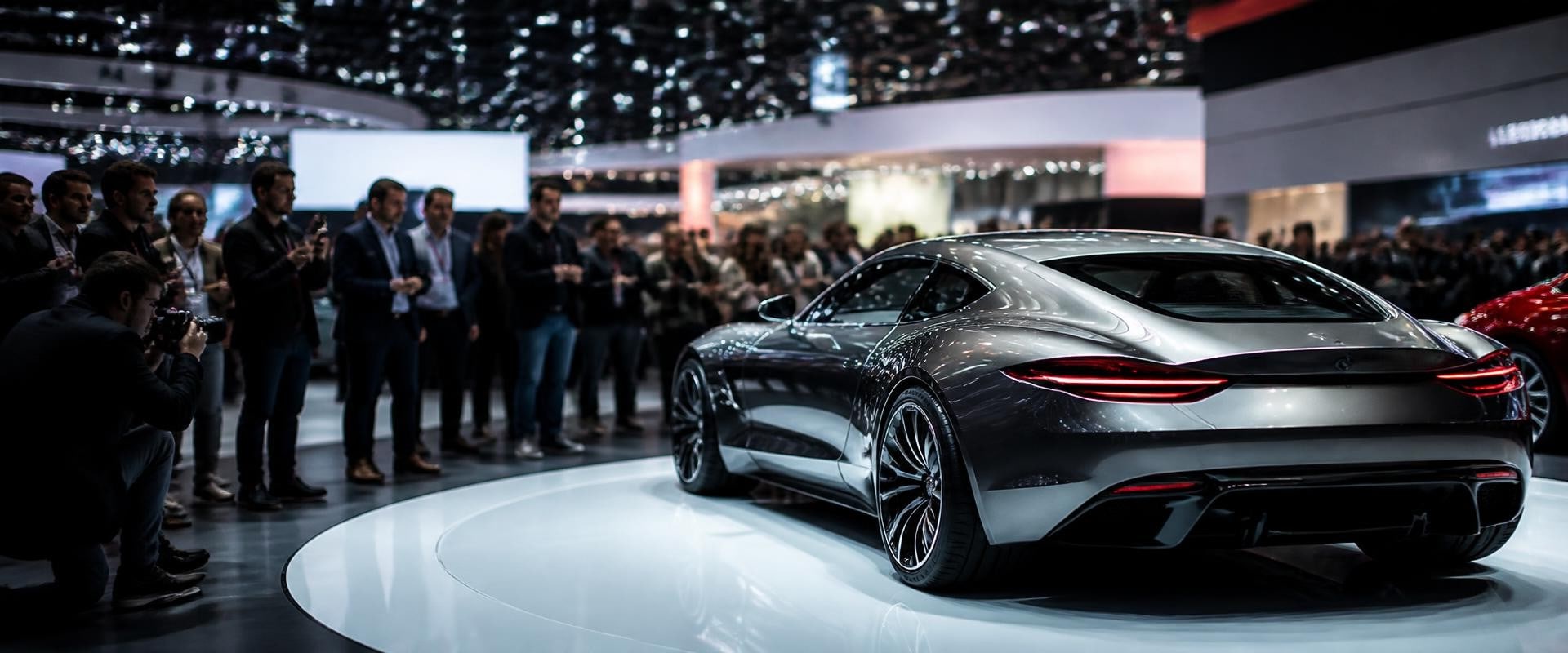
Motor shows have long been a cornerstone of the automotive industry, serving as vibrant platforms where manufacturers unveil their latest innovations and concepts. These events, often held in major cities around the world, attract not only industry professionals but also car enthusiasts and the general public. The history of motor shows dates back to the late 19th century, with the first official motor show taking place in Paris in 1898. Since then, these exhibitions have evolved significantly, reflecting changes in technology, consumer preferences, and global market dynamics. The significance of motor shows extends beyond mere product launches; they are pivotal in shaping industry trends and consumer perceptions. Automakers use these events to showcase their commitment to sustainability through electric vehicles and advanced technologies.
Additionally, motor shows provide a unique opportunity for networking among industry stakeholders, fostering collaborations that can lead to groundbreaking advancements. As such, understanding motor shows is essential for grasping their impact on the automotive landscape. In an era where digital marketing is on the rise, the relevance of motor shows may be questioned. However, these events continue to hold a special place in the hearts of many, offering an immersive experience that online platforms cannot replicate. From the excitement of seeing a new model up close to engaging with industry experts, motor shows remain a vital part of the automotive narrative.
The Role of Motor Shows in Automotive Marketing
Motor shows play a pivotal role in the automotive marketing landscape, serving as a dynamic platform for manufacturers to showcase their latest innovations and engage directly with consumers.These events are not just about displaying vehicles; they are strategic opportunities for brands to enhance their visibility and connect with their target audience.
Brand exposure
at motor shows is unparalleled. Major automotive brands invest significant resources to create eye-catching displays that attract attendees. This exposure is crucial for both established manufacturers and emerging companies looking to make a mark in the industry. By presenting their vehicles in an engaging environment, brands can effectively communicate their values, technology, and design philosophy.Moreover, motor shows often serve as the backdrop for product launches.These unveilings generate buzz and media coverage, amplifying the reach of marketing campaigns. For instance, when a brand reveals a new model at a prestigious motor show, it not only garners immediate attention but also sets the stage for future marketing efforts. The excitement generated during these events can lead to increased consumer interest and pre-orders.In addition to showcasing products, motor shows facilitate consumer engagement. Attendees have the opportunity to interact with vehicles firsthand, ask questions, and experience the brand's offerings in a way that traditional advertising cannot replicate.
This direct interaction fosters a deeper connection between consumers and brands, often translating into loyalty and long-term relationships.Furthermore, motor shows provide valuable insights into market trends and consumer preferences. Brands can observe competitor strategies and gather feedback from attendees, which can inform future automotive marketing strategies. By analyzing this data, manufacturers can tailor their offerings to better meet consumer demands.In conclusion, motor shows are more than just exhibitions; they are vital components of the automotive marketing ecosystem. Through enhanced brand exposure, impactful product launches, and meaningful consumer engagement, these events significantly influence the direction of the automotive industry.
Innovation and Technology Showcased at Motor Shows
Motor shows serve as a pivotal platform for unveiling new automotive technologies and innovations that shape the future of the industry.These events not only showcase the latest models but also highlight groundbreaking advancements that can redefine driving experiences.One of the most significant trends observed at recent motor shows is the emphasis on sustainability. Many manufacturers are now prioritizing electric and hybrid vehicles, reflecting a broader shift towards eco-friendly solutions. For instance, major brands have introduced electric prototypes that promise longer ranges and faster charging times, addressing consumer concerns about electric vehicle (EV) practicality.
Technological Innovations
In addition to electrification, motor shows frequently unveil cutting-edge technologies such as:- Autonomous Driving Systems: Many automakers are showcasing their advancements in self-driving technology, which aims to enhance safety and convenience.
- Connected Car Features: Innovations in connectivity allow vehicles to communicate with each other and infrastructure, improving traffic management and safety.
- Advanced Driver-Assistance Systems (ADAS): Features like lane-keeping assist and adaptive cruise control are becoming standard, enhancing the overall driving experience.
As automakers strive to outdo each other, the pace of innovation accelerates, leading to rapid advancements in vehicle technology.Moreover, motor shows often set the stage for discussions about the future of the automotive industry. Industry leaders and experts gather to share insights on emerging trends, regulatory challenges, and consumer preferences. This exchange of ideas fosters collaboration and can lead to partnerships that further propel technological advancements.In conclusion, motor shows play a crucial role in showcasing innovations that not only captivate audiences but also significantly influence the direction of the automotive industry. By highlighting new technologies and fostering dialogue among stakeholders, these events help shape a more sustainable and technologically advanced future for transportation.
Consumer Trends and Preferences Highlighted by Motor Shows
Motor shows serve as a vital barometer for consumer trends and preferences within the automotive industry.These events not only showcase the latest innovations but also provide a unique opportunity for manufacturers to gauge public interest and sentiment towards various vehicle types.One of the most significant aspects highlighted at motor shows is the shift in consumer preferences. For instance, the increasing demand for electric vehicles (EVs) has been prominently featured in recent shows, reflecting a broader societal push towards sustainability. Automakers are responding by unveiling cutting-edge EV models, which often receive enthusiastic receptions from attendees.
Engagement and Feedback
The interactive nature of motor shows allows consumers to engage directly with manufacturers. This engagement can take many forms, from test drives to Q&A sessions with industry experts.Such interactions provide invaluable feedback to automakers, helping them understand what features and technologies resonate most with potential buyers.
- Technology Integration: Consumers are increasingly interested in advanced technology features such as autonomous driving capabilities and smart connectivity options.
- Design Preferences: The aesthetic appeal of vehicles is crucial; motor shows often reveal trends in color, shape, and interior design that consumers favor.
- Sustainability: As environmental concerns grow, consumers are leaning towards brands that prioritize eco-friendly practices and materials.
Economic Impact of Motor Shows on the Automotive Industry
Motor shows play a significant role in shaping the economic landscape of the automotive industry. These events serve as a platform for manufacturers to showcase their latest innovations, which can lead to substantial financial benefits.The costs associated with participating in motor shows can be considerable, but the potential returns often justify the investment.Participating in a motor show typically involves expenses such as booth design, logistics, promotional materials, and staffing. For major manufacturers, these costs can range from tens of thousands to millions of dollars. However, the exposure gained from these events can translate into increased sales and brand recognition.
Financial Benefits of Motor Shows
- Increased Sales: Many manufacturers report a spike in orders following their participation in motor shows. The opportunity to engage directly with consumers and industry professionals can lead to immediate sales.
- Brand Visibility: Motor shows attract significant media coverage, providing manufacturers with valuable publicity that can enhance their brand image and reach a wider audience.
- Networking Opportunities: These events facilitate connections between manufacturers, suppliers, and potential partners, fostering collaborations that can lead to future growth.
Local economies benefit from increased tourism and spending during these events. Hotels, restaurants, and transportation services often see a surge in business as attendees flock to the venue.In conclusion, while the cost of participating in motor shows can be high, the potential for increased sales, enhanced brand visibility, and networking opportunities make them a worthwhile investment for many in the automotive industry. As the industry continues to evolve, motor shows will likely remain a crucial element in driving economic growth and innovation.
Challenges Facing Motor Shows Today
Motor shows have long been a staple of the automotive industry, serving as a platform for manufacturers to unveil new models and showcase technological advancements. However, in recent years, these events have encountered significant challenges that threaten their relevance and sustainability.One of the most pressing issues is the decline in attendance.Many motor shows that once attracted thousands of visitors are now seeing dwindling numbers. Factors contributing to this trend include changing consumer behaviors and the increasing availability of information online. Potential attendees often find it more convenient to explore new vehicles through digital channels rather than attending large-scale events.Moreover, the rise of digital alternatives has transformed how consumers engage with automotive brands. Virtual reality experiences, live-streamed unveilings, and interactive online platforms allow manufacturers to reach a global audience without the logistical challenges and costs associated with physical shows.
This shift has led many companies to reconsider their participation in traditional motor shows, opting instead for targeted digital marketing strategies that can yield better returns on investment.Additionally, the COVID-19 pandemic has accelerated these trends, forcing many motor shows to cancel or postpone events. As a result, organizers are now grappling with how to adapt to a post-pandemic world where health concerns and travel restrictions may continue to impact attendance.In conclusion, while motor shows have historically played a crucial role in the automotive industry, they now face significant challenges that require innovative solutions. To remain relevant, organizers must find ways to enhance the attendee experience and integrate digital technologies that complement traditional showcases.
Future of Motor Shows in the Automotive Landscape
As the automotive industry continues to evolve, the future of motor shows is becoming a topic of significant interest. With advancements in technology and shifts in consumer behavior, these events are likely to undergo substantial transformations.One of the most notable trends is the increasing integration of digital experiences.Virtual reality (VR) and augmented reality (AR) are set to play a pivotal role in how manufacturers showcase their vehicles. Instead of merely displaying cars, brands may offer immersive experiences that allow attendees to interact with vehicles in innovative ways. This shift could attract a broader audience, including tech-savvy consumers who prioritize digital engagement.Moreover, as sustainability becomes a central theme in the automotive sector, motor shows may pivot towards highlighting eco-friendly technologies. Future events could focus on electric vehicles (EVs), hybrid models, and sustainable manufacturing practices.
This emphasis not only aligns with consumer interests but also reflects the industry's commitment to reducing its carbon footprint.Another aspect to consider is the globalization of motor shows. While traditional automotive hubs like Detroit and Frankfurt have long been the focal points for major events, emerging markets in Asia and Africa are gaining traction. This shift could lead to a more diverse representation of automotive innovations and trends from around the world.In terms of predictions, experts suggest that motor shows will need to adapt their formats to remain relevant. This may include:
- Shorter event durations to cater to busy schedules.
- Increased focus on networking opportunities for industry professionals.
- Enhanced interactive displays that engage attendees beyond traditional presentations.
- Collaboration with tech companies to showcase cutting-edge innovations.
By embracing technology and shifting consumer preferences, motor shows can continue to play a vital role in shaping the future of the automotive industry.
FAQs About Motor Shows and Their Impact on the Automotive Industry
Motor shows are pivotal events in the automotive industry, often raising questions about their true impact. Here are some frequently asked questions that help clarify their significance:- What is the primary purpose of motor shows? Motor shows serve as a platform for manufacturers to showcase their latest models, technologies, and innovations. They also provide an opportunity for consumers to experience vehicles firsthand and engage with industry experts.
- Do motor shows influence consumer buying decisions? Yes, motor shows can significantly influence consumer behavior. Attendees often form opinions based on the presentations and interactions at these events, which can lead to increased interest and sales for featured vehicles.
- How do motor shows affect automotive trends? Motor shows are trendsetters in the automotive industry.
They highlight emerging technologies, such as electric vehicles and autonomous driving features, which can shape market demands and influence future vehicle designs.
- Are motor shows beneficial for automakers? Absolutely. Motor shows provide automakers with valuable exposure and networking opportunities. They can gauge public reaction to new models and gather feedback that can inform future developments.
- What role do media play at motor shows? Media coverage at motor shows is crucial. Journalists and influencers report on new releases and innovations, amplifying the reach of manufacturers' messages and helping to create buzz around new products.