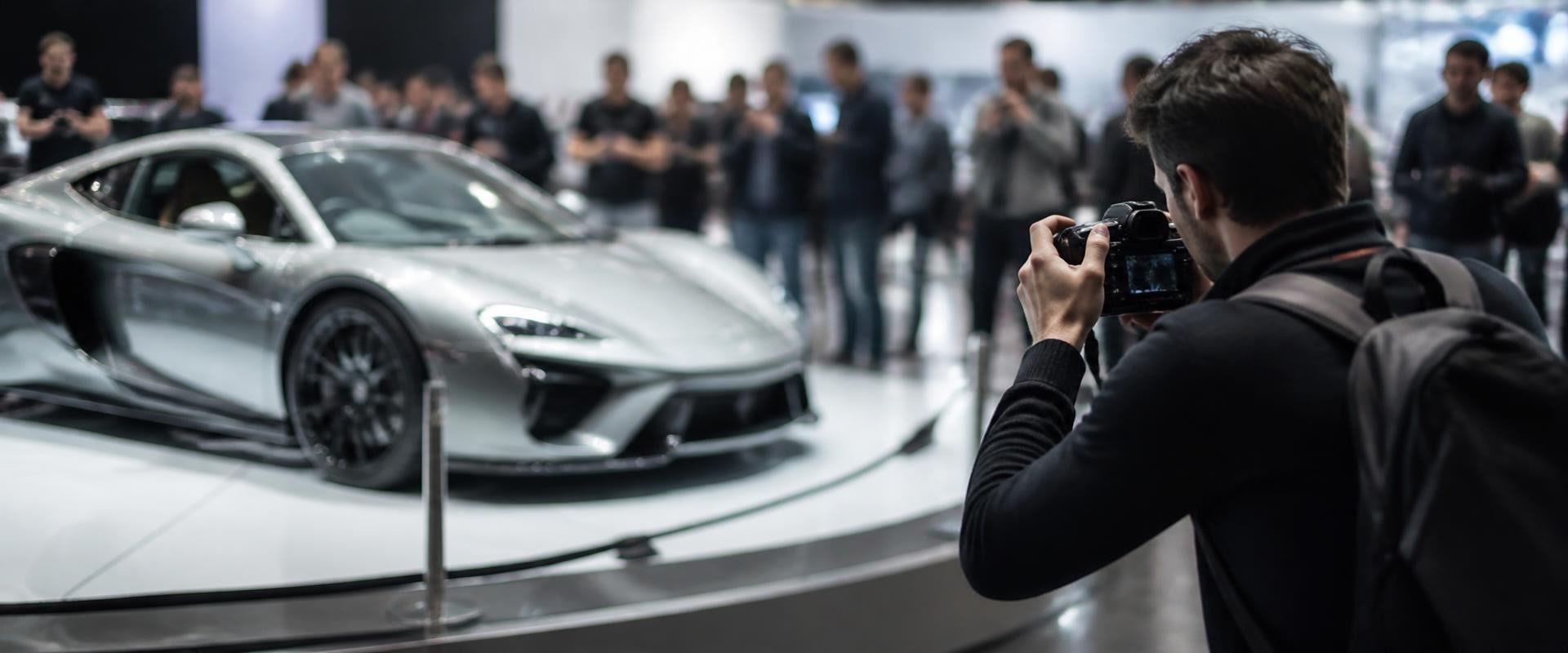
Motor shows are vibrant events that showcase the latest innovations and trends in the automotive industry. These exhibitions serve as a platform for manufacturers to unveil new models, concept cars, and cutting-edge technologies, attracting enthusiasts, industry professionals, and media from around the globe. The significance of motor shows extends beyond mere displays; they are pivotal in shaping consumer perceptions and influencing purchasing decisions. As attendees navigate through the bustling aisles filled with gleaming vehicles and interactive exhibits, the excitement is palpable. However, amidst this dynamic environment, questions often arise regarding photography and filming at these events.
While capturing the essence of a motor show is a tempting prospect for many, it is essential to understand that there are specific guidelines and restrictions in place. These rules are designed to protect the interests of exhibitors and ensure a smooth experience for all participants. In the following sections, we will delve deeper into the various restrictions that may apply to photography and filming at motor shows. Understanding these regulations not only enhances your experience but also ensures that you respect the boundaries set by event organizers. Whether you are a professional photographer or an enthusiastic attendee looking to document your experience, being informed about these guidelines will help you navigate the exciting world of motor shows with confidence.
General Overview of Motor Show Regulations
When attending motor shows, it is essential to understand the various regulations that govern photography and filming.These regulations are put in place to ensure the safety of attendees, protect the intellectual property of exhibitors, and maintain the overall integrity of the event.
Event photography rules
can vary significantly from one motor show to another. Generally, most events allow personal photography for non-commercial use, but restrictions may apply to professional photographers or those using advanced equipment such as tripods or drones. It is advisable to check the specific guidelines provided by the event organizers prior to your visit.- Permission: Always seek permission before photographing or filming any vehicles or displays, especially if they are part of a promotional campaign.
- Commercial Use: If you intend to use your photos or videos for commercial purposes, you will likely need to obtain explicit consent from the event organizers and possibly pay a fee.
- Restricted Areas: Be aware of areas that may be off-limits for photography, such as behind-the-scenes locations or areas designated for staff only.
Always familiarize yourself with the event's policies and be considerate of others while capturing your memories at these exciting automotive showcases.
Common Restrictions on Photography at Motor Shows
When attending motor shows, it's essential to be aware of the common restrictions on photography that may be enforced by event organizers. These restrictions are typically put in place to protect the interests of exhibitors, sponsors, and the overall event experience.Prohibited Areas
- Behind-the-Scenes Areas: Access to areas such as backstage or behind-the-scenes is often restricted. Photography in these zones is usually prohibited to maintain privacy and security for exhibitors and their vehicles.
- Restricted Exhibitor Zones: Some exhibitors may designate specific areas around their displays where photography is not allowed. This is often to protect proprietary designs or new models that have not yet been released to the public.
- VIP Areas: If the motor show includes VIP sections or lounges, photography may be restricted to ensure the privacy of special guests and dignitaries.
Event Policies
- Commercial Photography: Many motor shows have strict policies against commercial photography without prior permission.
If you plan to use images for commercial purposes, it’s crucial to obtain the necessary credentials from the event organizers.
- Use of Tripods and Equipment: Some venues may restrict the use of tripods, drones, or other professional equipment due to space constraints and safety concerns. Always check the event guidelines before bringing such gear.
- Flash Photography: Flash photography may be prohibited in certain areas to avoid disturbing exhibitors or other attendees. It’s advisable to use natural light or adjust your camera settings accordingly.
Filming Guidelines for Media and Content Creators
When it comes to filming at motor shows, media professionals and content creators must adhere to specific guidelines to ensure a smooth experience.These guidelines are designed to protect the interests of exhibitors, sponsors, and the event organizers while allowing for creative expression.
Media Access and Credentials
- Before attending a motor show, it is essential to apply for the appropriate media credentials. This often involves submitting an application that includes your publication or platform details, audience metrics, and the intended coverage of the event.
- Most motor shows require media representatives to register in advance. This registration process may include providing proof of affiliation with a recognized media outlet.
- Upon approval, you will receive a media badge that grants you access to designated areas for filming and photography.
Filming Guidelines
- Respecting Exhibitor Spaces: Always be mindful of the exhibitors' spaces. Filming should not obstruct foot traffic or interfere with other media personnel.
- Permission for Interviews: If you plan to conduct interviews with attendees or exhibitors, it’s courteous to ask for permission first.
Some exhibitors may have specific rules regarding interviews within their booths.
- Use of Tripods and Equipment: Many motor shows have restrictions on the use of tripods or large equipment in crowded areas. Check the event's specific rules regarding equipment usage.
Content Creation Rules
- Avoiding Copyright Issues: Be cautious when filming branded vehicles or products. Ensure that your content does not infringe on copyright or trademark rights.
- Attribution: If you use any footage or images from the event in your content, proper attribution is often required. This may include crediting the event organizers or specific exhibitors.
Always check with event organizers for any updates or changes to these rules prior to the show.
Understanding Copyright and Intellectual Property Issues
When attending motor shows, it is crucial to understand the implications of copyright and intellectual property rights that govern photography and filming. These events often showcase proprietary designs, innovative technologies, and branding that are protected under various laws.Copyright
protects original works of authorship, including photographs and videos. This means that if you capture images or footage at a motor show, you may be infringing on the rights of the manufacturers or event organizers if you do not have permission to use their intellectual property. It is essential to check the event's specific rules regarding photography and filming, as many motor shows have strict policies in place.Additionally, intellectual property rights extend beyond just copyright.Trademarks may also be involved, especially when logos or brand names are prominently displayed in your photos or videos. Using these images for commercial purposes without consent can lead to legal repercussions.
- Seek Permission: Always ask for permission before photographing vehicles or displays that are clearly marked as copyrighted or trademarked.
- Check Event Guidelines: Review the motor show's official website or contact organizers for specific rules regarding photography.
- Avoid Commercial Use: If you plan to use your photos for commercial purposes, ensure you have obtained the necessary licenses or permissions.
Best Practices for Photography and Filming at Motor Shows
When attending motor shows, capturing the excitement and innovation of the automotive world can be a thrilling experience. However, it’s essential to follow best practices to ensure that your photography and filming are both effective and respectful of the event's regulations.Understand Event Regulations
Before you start snapping photos or recording video, familiarize yourself with the specific rules of the motor show.Many events have guidelines regarding:
- Commercial Use: If you plan to use your footage for commercial purposes, check if you need special permission or a media pass.
- Flash Photography: Some exhibitors may prohibit flash photography to protect their displays or products.
- Restricted Areas: Be aware of areas where photography is not allowed, such as behind-the-scenes locations or private booths.
Tips for Effective Photography and Filming
To make the most of your experience while adhering to guidelines, consider these tips:- Plan Your Shots: Scout the venue layout in advance if possible. Identify key exhibits and plan your shots around peak times to avoid crowds.
- Use Natural Light: Whenever possible, utilize natural lighting to enhance your images. This can reduce the need for flash and help maintain a more authentic atmosphere.
- Respect Personal Space: Always be mindful of other attendees. Avoid blocking pathways or intruding on others' experiences while filming or photographing.
Ethical Considerations
Maintaining ethical standards is crucial when photographing or filming at motor shows.Here are some considerations:
- Obtain Consent: If you’re capturing individuals in your shots, especially children or private individuals, seek their permission whenever possible.
- Avoid Misrepresentation: Ensure that your content accurately represents the event and its exhibitors. Misleading images can harm reputations and relationships within the industry.
- Credit Sources: If you share your work online, give credit to any brands or individuals featured in your content, fostering goodwill and community.
Frequently Asked Questions About Motor Show Photography and Filming
When attending motor shows, many enthusiasts and professionals alike have questions regarding the rules and regulations surrounding photography and filming. Here are some of the most frequently asked questions:1.Are there restrictions on photography at motor shows?
Yes, there can be specific restrictions on photography at motor shows. While many events encourage attendees to take photos, some manufacturers may prohibit photography of their vehicles or displays.Always check for signage indicating photography policies or ask event staff for clarification.
2.Can I use professional equipment?
Using professional photography equipment, such as DSLRs or tripods, may be restricted at certain motor shows. It's advisable to review the event's guidelines beforehand. Some shows may require a press pass for professional-grade gear.3.Is filming allowed during presentations or unveilings?
Filming during presentations or vehicle unveilings is often restricted to accredited media personnel. If you are not part of the press, you may need to refrain from filming during these key moments to respect the event's protocols.4.What about social media sharing?
Most motor shows encourage attendees to share their experiences on social media.However, be mindful of any specific hashtags or guidelines provided by the event organizers. Always credit the manufacturers when posting images of their vehicles.
5.Are there any copyright issues to consider?
Yes, copyright can be a concern when photographing vehicles and displays at motor shows. While you can take photos for personal use, selling or distributing images without permission from the manufacturer may lead to legal issues. Always seek permission if you plan to use images commercially.By understanding these common questions and their answers, you can navigate the world of motor show photography and filming with confidence and respect for the event's rules.Conclusion: Navigating Photography Restrictions at Motor Shows
In conclusion, understanding the restrictions on photography and filming at motor shows is crucial for both enthusiasts and professionals alike.As we have explored, these regulations can vary significantly from one event to another, influenced by factors such as the venue, the organizers, and the brands showcasing their vehicles.Many motor shows implement specific rules to protect intellectual property and ensure a smooth experience for all attendees. Here are some key takeaways:
- Check Event Guidelines: Always review the official guidelines provided by the motor show organizers before attending. These documents often outline what is permissible regarding photography and filming.
- Respect Brand Policies: Some manufacturers may have their own restrictions on photography, especially concerning unreleased models or proprietary technology. Be mindful of these rules to avoid potential conflicts.
- Use of Tripods and Equipment: Many events prohibit the use of tripods or professional-grade equipment in crowded areas to maintain safety and accessibility.
Familiarize yourself with these restrictions to ensure compliance.
- Social Media Sharing: While sharing images on social media is generally encouraged, be aware of any tagging or crediting requirements set by the event or brands.