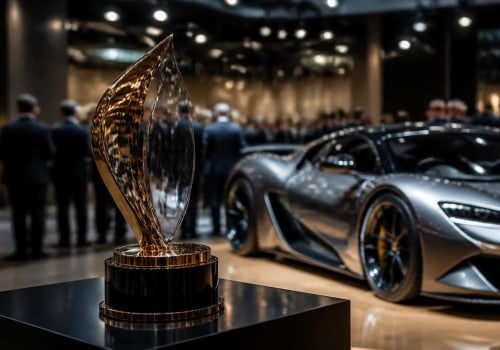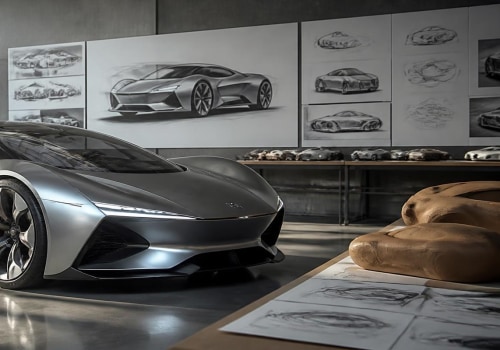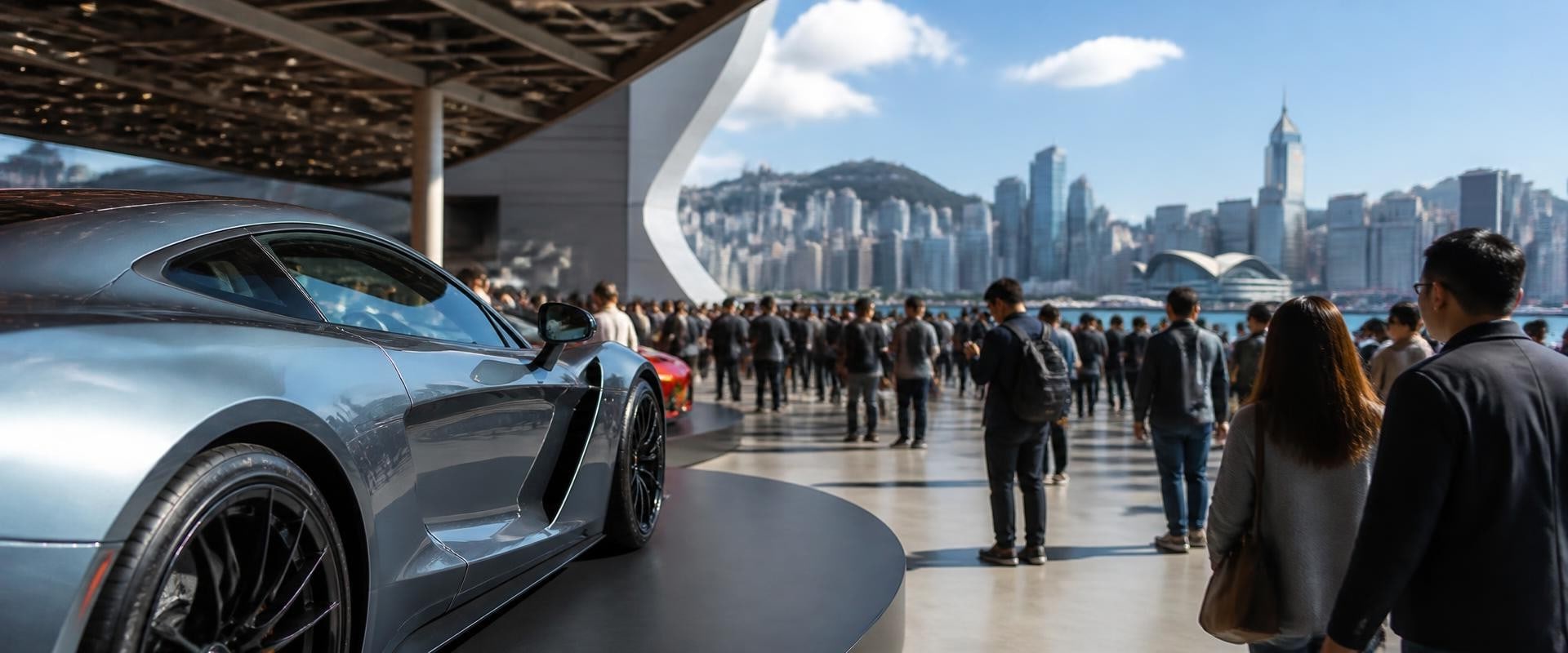
Motor shows are dynamic events that showcase the latest innovations in the automotive industry, bringing together manufacturers, enthusiasts, and the general public. These exhibitions serve as a platform for automakers to unveil new models, technologies, and concepts, while also providing a unique opportunity for consumers to engage with the brands they love. However, beyond their role in promoting vehicles, motor shows have significant implications for the host cities that welcome them. The economic impact of a motor show extends far beyond the exhibition floor. For host cities, these events can lead to a surge in tourism, as attendees flock from various regions to experience the latest in automotive advancements.
Hotels, restaurants, and local businesses often see a substantial increase in revenue during these events, creating a ripple effect that benefits the entire community. Understanding this economic impact is crucial for stakeholders, including city planners and local governments, as it highlights the potential for growth and development associated with hosting such large-scale events. Moreover, motor shows can enhance a city’s reputation on a global scale. By positioning themselves as a hub for automotive innovation and culture, host cities can attract future events and investments. This not only boosts local economies but also fosters a sense of pride among residents.
As we delve deeper into the multifaceted economic benefits of motor shows, it becomes clear that their significance extends well beyond mere vehicle displays; they are vital catalysts for urban development and economic vitality.
Overview of Motor Shows
Motor shows are significant events in the automotive industry, showcasing the latest innovations, designs, and technologies from manufacturers around the world. These exhibitions serve as a platform for automakers to unveil new models, concept cars, and advancements in automotive technology, attracting both industry professionals and the general public.The history of motor shows dates back to the late 19th century, with the first recognized event being held in Paris in 1898. Since then, motor shows have evolved into major international events, with cities like Frankfurt, Detroit, and Tokyo hosting some of the most prestigious exhibitions. Over the years, these shows have not only highlighted the evolution of automotive design but have also reflected broader trends in technology and consumer preferences.Types of Motor Shows
- International Motor Shows: These large-scale events attract global participation from manufacturers and visitors alike. Examples include the Geneva International Motor Show and the North American International Auto Show.
- Regional Motor Shows: Focused on specific markets or regions, these shows cater to local manufacturers and consumers.
They often highlight vehicles that are particularly relevant to regional preferences.
- Specialty Shows: These events may focus on specific types of vehicles, such as electric cars or luxury automobiles, providing a niche platform for targeted audiences.
Direct Economic Benefits to Host Cities
Motor shows serve as a significant catalyst for economic growth in host cities, providing a range of direct economic benefits that can be felt across various sectors. One of the most immediate impacts is job creation.The influx of visitors, exhibitors, and media personnel necessitates a temporary boost in staffing for local businesses, including hotels, restaurants, and retail shops. This surge in demand often leads to the hiring of additional staff, which can help reduce local unemployment rates.Moreover, motor shows attract thousands of attendees from both national and international markets. This influx translates into increased revenue for local businesses. For instance, hotels experience higher occupancy rates, while restaurants and cafes see a spike in customers.
According to studies, host cities can witness a revenue increase of up to 30% during the event, significantly benefiting the local economy.
- Increased Tourism: Motor shows often draw car enthusiasts and industry professionals from around the globe, enhancing the city’s profile as a tourist destination.
- Local Business Growth: Small businesses, particularly those related to automotive services and merchandise, can see substantial sales increases during motor shows.
- Infrastructure Development: The need to accommodate large crowds often leads to improvements in local infrastructure, such as roads and public transport systems.
Indirect Economic Effects of Motor Shows
The indirect economic effects of motor shows extend far beyond the immediate financial gains from ticket sales and exhibitor fees. One of the most significant impacts is the boost in tourism that these events generate.When a motor show is hosted in a city, it attracts not only local attendees but also visitors from across the country and even internationally. This influx of tourists leads to increased spending in various sectors, including hotels, restaurants, and local attractions.For instance, hotels often experience a surge in bookings during the event, with many establishments offering special packages to accommodate the influx of visitors. Restaurants benefit from higher foot traffic, leading to increased sales and potential job creation in the hospitality sector. Additionally, local attractions may see a rise in attendance as tourists explore the host city while attending the motor show.Moreover, the long-term investments that can arise from hosting a motor show are noteworthy.
Cities often use these events as a platform to showcase their infrastructure and capabilities, which can attract future business opportunities. For example:
- Infrastructure Development: Cities may invest in improving transportation networks, convention centers, and public spaces to accommodate the influx of visitors.
- Branding Opportunities: Successfully hosting a major event can enhance a city's reputation as a destination for future events, leading to more motor shows and other large-scale gatherings.
- Partnerships with Local Businesses: The event can foster collaborations between local businesses and automotive companies, leading to potential sponsorships and partnerships that benefit the local economy.
Case Studies: Successful Motor Shows and Their Impact
Motor shows have become pivotal events for cities, showcasing not only the latest automotive innovations but also significantly boosting local economies. To illustrate this, we can examine a few notable case studies.1.Detroit Auto Show
The Detroit Auto Show, officially known as the North American International Auto Show (NAIAS), is one of the most prestigious motor shows globally.In 2019, it attracted over 800,000 visitors, generating an estimated $400 million in economic impact for the city. This influx of visitors led to increased hotel bookings, restaurant patronage, and retail sales, showcasing how a well-executed motor show can revitalize a city.
2.Geneva International Motor Show
Another prime example is the Geneva International Motor Show, which has been held annually since 1905. In 2018, the event drew around 600,000 attendees and contributed approximately $200 million to the local economy. The show not only highlights luxury and innovation in the automotive sector but also promotes tourism, as many visitors extend their stay to explore Switzerland.3.Los Angeles Auto Show
The Los Angeles Auto Show serves as a significant platform for manufacturers to unveil new models and technologies. In 2021, despite pandemic challenges, the show still managed to attract over 300,000 attendees, resulting in an economic impact of about $150 million.The event underscores the importance of adaptability in hosting motor shows, as cities can still benefit economically even during challenging times. These case studies highlight that successful motor shows not only serve as a showcase for automotive advancements but also play a crucial role in stimulating local economies through tourism and related spending. As cities continue to host these events, understanding their economic impact becomes essential for future planning and investment.
Challenges Faced by Host Cities During Motor Shows
Hosting a motor show can bring significant economic benefits to a city, but it also presents a range of challenges that must be addressed to ensure a successful event. One of the primary issues is logistical challenges. Organizing a motor show requires extensive planning and coordination among various stakeholders, including local government, event organizers, and exhibitors.The influx of visitors can strain local infrastructure, leading to traffic congestion and increased demand for public services such as transportation, sanitation, and emergency services.Moreover, the setup and teardown phases of the event can disrupt normal city operations. Streets may need to be closed or rerouted, which can inconvenience residents and businesses. To mitigate these issues, host cities often need to invest in temporary infrastructure improvements, such as enhanced public transport options or additional parking facilities.
Environmental Concerns
Another significant challenge is the environmental impact of hosting a motor show. Large-scale events can lead to increased air and noise pollution, particularly if the show features numerous vehicles operating on-site.Additionally, the waste generated from food vendors, promotional materials, and other sources can pose a challenge for local waste management systems.To address these environmental concerns, many cities are adopting sustainable practices. This includes implementing recycling programs at the event, encouraging the use of electric vehicles for demonstrations, and promoting public transportation options for attendees. By prioritizing sustainability, host cities can minimize the ecological footprint of motor shows while still reaping their economic benefits.In conclusion, while motor shows can significantly boost local economies, they also require careful planning to navigate logistical hurdles and environmental impacts effectively. By addressing these challenges proactively, host cities can create a more positive experience for both visitors and residents alike.
Future Trends in Motor Shows and Their Economic Impact
As the automotive industry evolves, motor shows are also undergoing significant transformations that will shape their economic impact on host cities.Two key trends driving this evolution are digital transformation and a growing emphasis on sustainability.
Digital Transformation
The integration of technology into motor shows is revolutionizing how manufacturers and attendees interact. Virtual reality (VR) and augmented reality (AR) are becoming commonplace, allowing visitors to experience vehicles in immersive environments without the need for physical prototypes. This shift not only enhances visitor engagement but also reduces costs associated with transporting and displaying vehicles.Moreover, digital platforms enable broader participation from global audiences. Live streaming of events and interactive online showcases can attract viewers who may not be able to attend in person, thereby expanding the reach of the event and increasing potential revenue streams for the host city through virtual ticket sales and sponsorships.Sustainability in Motor Shows
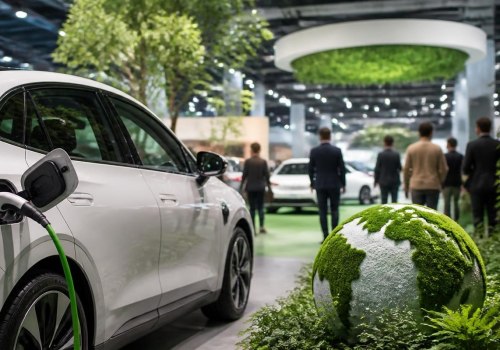
As environmental concerns gain prominence, sustainability is becoming a focal point for future motor shows.Organizers are increasingly adopting eco-friendly practices, such as using renewable energy sources, reducing waste, and promoting electric vehicles. These initiatives not only align with global sustainability goals but also enhance the reputation of host cities as forward-thinking and environmentally responsible.Furthermore, by showcasing innovative green technologies, motor shows can attract investments in sustainable infrastructure and technologies, leading to long-term economic benefits for the host city. Cities that prioritize sustainability in their motor shows may also see an increase in tourism as eco-conscious visitors seek out events that reflect their values.In conclusion, the future of motor shows lies in embracing digital transformation and sustainability. These trends not only enhance the experience for attendees but also create significant economic opportunities for host cities, positioning them as leaders in innovation and environmental stewardship.
FAQs About Motor Shows and Their Economic Impact
Motor shows are significant events that can have a profound economic impact on the host city.Below are some frequently asked questions that help clarify this relationship.
What are the primary economic benefits of hosting a motor show?
Hosting a motor show can lead to several key economic benefits, including:- Increased tourism: Motor shows attract visitors from various regions, boosting local tourism.
- Job creation: The influx of visitors and exhibitors can create temporary jobs in hospitality, security, and event management.
- Local business support: Hotels, restaurants, and retail stores often see increased sales during the event.
- Global exposure: A successful motor show can enhance the city's reputation as a hub for automotive innovation.
How do motor shows affect local businesses?
The presence of a motor show can significantly benefit local businesses. For instance:- Increased foot traffic: Local shops and restaurants experience higher customer volumes during the event.
- Partnership opportunities: Businesses may collaborate with exhibitors for promotions or sponsorships.
- Long-term growth: Positive experiences can lead to repeat visits from attendees in the future.
Are there any downsides to hosting a motor show?
While the benefits are substantial, there can be some downsides, such as:- Infrastructure strain: Increased traffic and demand on public services may occur during the event.
- Environmental concerns: Large gatherings can lead to increased pollution and waste.
- Cost implications: The city may incur significant costs for security and event management.
Conclusion: The Lasting Economic Legacy of Motor Shows
In conclusion, the economic impact of motor shows on host cities is profound and multifaceted. These events not only serve as a platform for showcasing the latest automotive innovations but also act as a catalyst for local economic growth.The influx of visitors, exhibitors, and media creates a vibrant atmosphere that stimulates various sectors. One of the most significant benefits is the boost to local businesses. Hotels, restaurants, and retail shops experience increased foot traffic, leading to higher sales and revenue. Additionally, the demand for services such as transportation and event management further contributes to the local economy.
Job Creation and Long-Term Benefits
Moreover, motor shows often lead to temporary job creation in the hospitality and service industries. This surge in employment can have lasting effects, as many workers gain valuable experience and skills that enhance their future job prospects. Furthermore, the visibility gained from hosting a successful motor show can attract future events and investments.Cities that establish themselves as premier destinations for automotive exhibitions often see a ripple effect, where the initial investment in hosting leads to ongoing economic benefits.