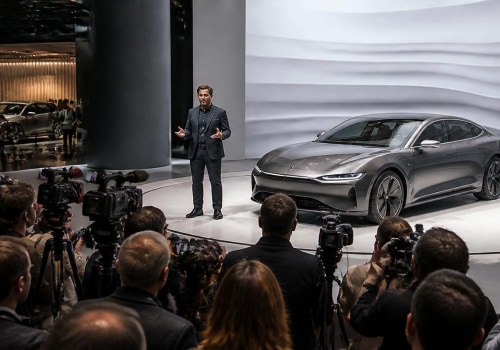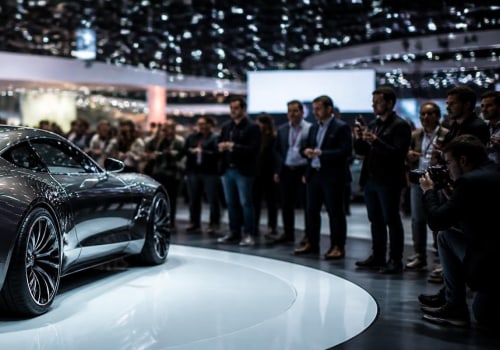
Motor shows are vibrant events that serve as a crucial platform for the automotive industry, showcasing the latest innovations, designs, and technologies from manufacturers around the globe. These exhibitions not only highlight new vehicle models but also provide a glimpse into the future of mobility, making them a must-visit for car enthusiasts and industry professionals alike. As attendees walk through the expansive halls filled with gleaming cars and interactive displays, they can expect to see everything from concept vehicles to electric cars, all under one roof. The duration of motor shows can vary significantly depending on the scale and location of the event. Typically, these shows last anywhere from a few days to over a week, allowing ample time for visitors to explore various exhibits and engage with industry experts.
Major international motor shows, such as those held in Geneva or Detroit, often span several days and attract thousands of visitors, while smaller regional shows may be condensed into a weekend format. Attending a motor show is not just about viewing new cars; it’s an immersive experience that includes press conferences, product launches, and networking opportunities. For those interested in the automotive world, understanding what to expect at these events can enhance their experience. From interactive displays to test drives and panel discussions, motor shows offer a unique opportunity to connect with the latest trends in the automotive sector.
What Are Motor Shows?
Motor shows are large-scale exhibitions that showcase the latest innovations and trends in the automotive industry. These events serve as a platform for manufacturers, designers, and enthusiasts to come together and celebrate advancements in vehicle technology, design, and sustainability.Typically, motor shows can be categorized into several types:- International Motor Shows: These are held in major cities around the world, such as the Geneva International Motor Show or the Los Angeles Auto Show.
They attract global attention and feature a wide array of vehicles from various manufacturers.
- Regional Motor Shows: Smaller in scale, these shows focus on local markets and often highlight regional manufacturers and automotive trends. Examples include the Chicago Auto Show and the New York International Auto Show.
- Specialty Shows: These events may focus on specific types of vehicles, such as electric cars or luxury automobiles, providing a niche platform for targeted audiences.
Overall, motor shows play a crucial role in driving the automotive industry forward by promoting innovation and consumer engagement.
Typical Duration of Motor Shows
The typical duration of motor shows can vary significantly depending on several factors, including the scale of the event, the number of exhibitors, and the location. Generally, most motor shows last between three to ten days. However, some larger international events may extend beyond this range.For instance, major motor shows like the Geneva International Motor Show or the Frankfurt Motor Show often run for about ten days, attracting thousands of visitors and numerous exhibitors from around the globe. These events typically include press days before the public opening, allowing media representatives to preview new models and technologies.On the other hand, smaller regional motor shows may only last for three to five days.These events focus on local markets and often feature a limited number of manufacturers and models. The shorter duration allows for a more concentrated experience for attendees who are primarily interested in local automotive offerings.
Factors Influencing Duration:
- Event Scale: Larger shows with more exhibitors tend to last longer.
- Location: Shows in major cities may attract more visitors and thus require a longer duration.
- Target Audience: Events aimed at industry professionals may have different schedules compared to those focused on the general public.
- Exhibitor Participation: The number of brands participating can also dictate how long the show lasts.
Factors Influencing the Duration of Motor Shows
The duration of motor shows can vary significantly based on several key factors. Understanding these factors can provide insights into why some events last longer than others and how they cater to different audiences.- Size of the Motor Show: One of the primary determinants of a motor show’s duration is its size.
Larger shows, which feature numerous exhibitors and a wide array of vehicles, typically span several days. For instance, major international motor shows like the Geneva International Motor Show or the Los Angeles Auto Show often last up to two weeks, allowing ample time for manufacturers to showcase their latest models and innovations.
- Location Impact: The location of a motor show also plays a crucial role in its duration. Shows held in metropolitan areas with high foot traffic may opt for longer durations to maximize attendance. Conversely, smaller regional shows might only last a weekend, focusing on local audiences and community engagement.
- Number of Exhibitors: The number of exhibitors participating in a motor show can influence its length as well.
A higher number of exhibitors often necessitates more time for presentations, test drives, and networking opportunities. This is particularly true for shows that include not just car manufacturers but also accessory vendors and technology companies.
Popular Motor Shows and Their Durations
Motor shows are significant events in the automotive industry, showcasing the latest innovations, designs, and technologies. Various motor shows are held globally, each with its own unique duration and characteristics.Here are some of the most popular motor shows and their typical durations:
- Geneva International Motor Show : This prestigious event usually spans 10 days, attracting car enthusiasts and industry professionals alike. Held annually in March, it is renowned for unveiling new models and concept cars.
- Frankfurt Motor Show (IAA) : Taking place every two years in September, this show lasts for about 11 days. It is one of the largest automotive exhibitions in the world, featuring a wide array of manufacturers and showcasing cutting-edge technology.
- Los Angeles Auto Show : Typically held in late November, this show runs for approximately 10 days. It focuses on the North American market and often highlights electric vehicles and sustainability trends.
- Tokyo Motor Show : This biennial event occurs in late October and lasts around 10 days.
It is known for its futuristic designs and innovative concepts, reflecting Japan's unique automotive culture.
- Detroit Auto Show (North American International Auto Show) : Traditionally held in January, this show has recently shifted to September. It generally lasts for about 7 days, showcasing major North American automotive brands.
What to Expect During a Motor Show's Duration
Attending a motor show is an exhilarating experience, packed with a variety of activities and events that cater to automotive enthusiasts and casual visitors alike. Typically, the duration of a motor show spans several days, often ranging from three to ten days, depending on the scale and location of the event.During this time, attendees can expect a dynamic schedule filled with engaging experiences.
- Vehicle Unveilings: One of the most anticipated aspects of any motor show is the unveiling of new models. Major manufacturers often use this platform to showcase their latest innovations and concept cars, generating excitement among attendees.
- Test Drives: Many motor shows offer opportunities for visitors to get behind the wheel of various vehicles. This hands-on experience allows attendees to assess performance and comfort firsthand.
- Interactive Exhibits: Beyond static displays, many shows feature interactive exhibits where attendees can engage with technology, such as virtual reality experiences or simulators that highlight advanced automotive features.
- Panel Discussions and Workshops: Educational sessions led by industry experts provide insights into automotive trends, sustainability, and technology advancements. These discussions are invaluable for those looking to deepen their understanding of the automotive world.
- Networking Opportunities: Motor shows attract a diverse crowd, including industry professionals, media representatives, and car enthusiasts.
This creates a unique environment for networking and sharing ideas.
FAQs About Motor Show Durations
When it comes to motor shows, many attendees often wonder about the typical duration of these events. Here are some frequently asked questions that can help clarify this topic:How long do most motor shows last?
Most motor shows are designed to run for a period of five to ten days.This duration allows manufacturers, exhibitors, and attendees ample time to engage with the latest automotive innovations and trends. However, the exact length can vary depending on the specific event and its location.
Are there any motor shows that last longer?
Yes, some of the larger and more prestigious motor shows, such as the Geneva International Motor Show or the Frankfurt Motor Show, may extend their duration to up to two weeks. These extended events often include press days, public days, and special previews that contribute to their longer schedules.What factors influence the duration of a motor show?
- Location: Different cities may have varying regulations and venue availability that can affect how long a show can run.
- Exhibitor Participation: The number of exhibitors and the scale of their displays can also dictate how much time is needed for setup and teardown.
- Target Audience: Some shows may cater more to industry professionals, while others focus on the general public, influencing their length.
Do motor shows have specific days for industry professionals?
Indeed, many motor shows allocate specific days for industry professionals and media representatives. These days typically occur before the public opening and are designed for networking, press releases, and exclusive previews of new models.This structure allows manufacturers to maximize exposure while providing valuable insights to industry insiders.In summary, while most motor shows last between five to ten days, factors such as location, exhibitor participation, and audience type can influence their overall duration. Understanding these elements can enhance your experience at any motor show you attend.
Conclusion: Key Takeaways on Motor Show Durations
In summary, understanding the typical duration of motor shows is essential for both attendees and exhibitors. These events generally span from a few days to over a week, depending on the scale and location of the show. Major international motor shows, such as those held in Geneva or Frankfurt, often last around ten days, while regional or smaller shows may only run for three to five days.The duration of a motor show is influenced by several factors:- Location: Larger cities with more extensive facilities can accommodate longer events.
- Exhibitor Participation: The number of brands and vehicles showcased can extend the length of the show.
- Target Audience: Shows aimed at industry professionals may last longer than those focused on the general public.
Many manufacturers choose to unveil their latest models during these shows, making it a prime opportunity for media coverage and consumer engagement. This strategic timing often aligns with the show’s duration, maximizing exposure and interest.Ultimately, whether you are a car enthusiast eager to explore the latest innovations or an industry professional looking to network, knowing the typical duration of motor shows helps in planning your visit effectively. As these events continue to evolve, staying informed about their schedules will enhance your experience and ensure you don’t miss out on any exciting reveals.