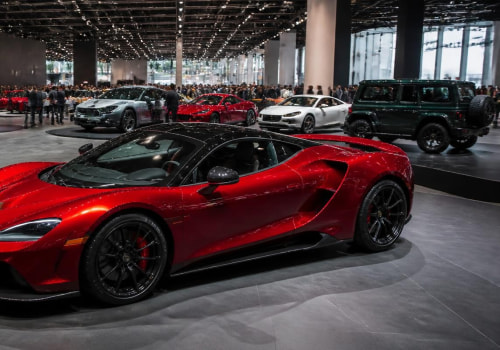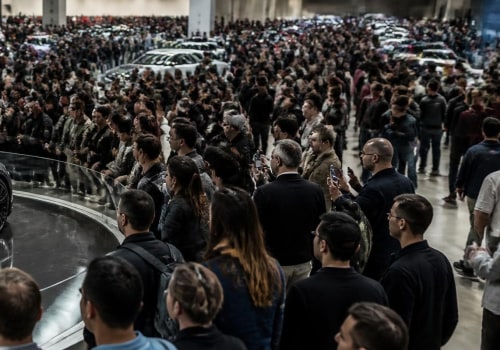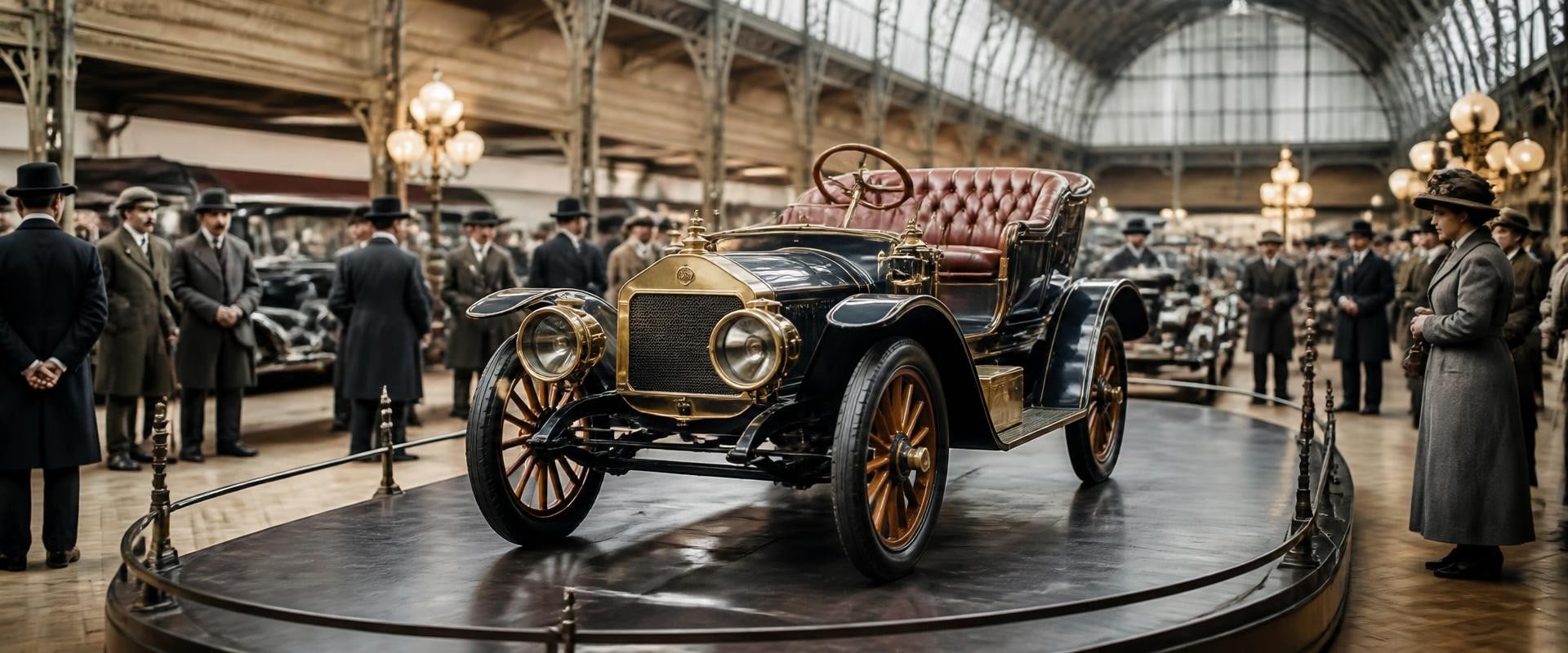
Motor shows have become a cornerstone of the automotive industry, serving as vibrant platforms where manufacturers unveil their latest innovations and enthusiasts gather to celebrate their passion for vehicles. These events not only showcase cutting-edge technology and design but also reflect the evolving trends in transportation, sustainability, and consumer preferences. As the automotive landscape continues to change, understanding the history of motor shows provides valuable insight into how these exhibitions have shaped the industry. The first motor show, held in Paris in 1898, marked a significant milestone in automotive history. It was a gathering that brought together inventors, manufacturers, and the public, allowing them to witness firsthand the burgeoning world of motorized transport.
This inaugural event set the stage for future exhibitions, establishing a tradition that would grow into a global phenomenon. Over the years, motor shows have evolved from simple showcases of new models to elaborate events featuring concept cars, technological advancements, and interactive experiences. As we delve deeper into the origins of motor shows, it becomes clear that they are more than just exhibitions; they are cultural events that reflect societal changes and technological progress. From their humble beginnings to their current status as major international events, motor shows continue to play a crucial role in connecting manufacturers with consumers and influencing the future of mobility.
The Birth of Motor Shows
The history of motor shows dates back to the late 19th century, a time when the automobile was just beginning to capture the public's imagination. The first official motor show was held in Paris in 1898 , marking a significant milestone in automotive history.This event was organized by the Automobile Club de France and showcased a variety of vehicles, from steam-powered cars to early gasoline models.The Paris Motor Show, known as Salon de l'Automobile, set the stage for future exhibitions by providing a platform for manufacturers to display their innovations and for the public to experience the latest advancements in automotive technology. The inaugural event featured around 200 exhibitors and attracted thousands of visitors, highlighting the growing interest in motor vehicles.As the popularity of automobiles surged, so did the frequency and scale of motor shows around the world. Following Paris, cities like London , New York , and Berlin began hosting their own events, each contributing to the rich tapestry of automotive culture. These shows not only served as a marketplace for manufacturers but also as a venue for enthusiasts to gather and celebrate their passion for cars.In summary, the first motor show in Paris in 1898 was a pivotal moment that laid the groundwork for what would become an enduring tradition in the automotive industry.
Today, motor shows continue to evolve, showcasing cutting-edge technology and design while honoring their historical roots.
Key Features of the First Motor Show
The first motor show, held in Paris in 1898, marked a pivotal moment in automotive history. This event showcased the burgeoning automobile industry and introduced the public to the latest innovations in vehicle design and technology.Key Features of the First Motor Show
- Innovative Exhibits: The inaugural motor show featured a variety of exhibits that highlighted the latest advancements in automotive engineering. Notable displays included steam-powered vehicles, electric cars, and early gasoline engines, showcasing the diverse approaches to personal transportation.
- Manufacturer Participation: Major manufacturers of the time, such as Panhard et Levassor and Peugeot, participated in the event, presenting their latest models. This participation not only demonstrated their commitment to innovation but also helped establish their brands in a competitive market.
- Public Engagement: The show was designed to attract not just industry insiders but also the general public.
This engagement was crucial for educating potential consumers about the benefits of owning an automobile, which was still a novel concept at the time.
- Networking Opportunities: The event served as a platform for manufacturers, inventors, and investors to connect. This networking was essential for fostering collaborations that would drive future advancements in automotive technology.
Significance of the First Motor Show
The significance of the first motor show extends beyond its immediate impact on attendees. It laid the groundwork for future automotive exhibitions, establishing a tradition that continues to this day. By bringing together various stakeholders in the automotive industry, it facilitated knowledge sharing and innovation that would shape the future of transportation.Moreover, this event helped to legitimize automobiles as a viable mode of transport, paving the way for mass production and widespread adoption.
The excitement generated by the first motor show contributed to a growing public interest in automobiles, ultimately leading to their integration into everyday life.
Evolution of Motor Shows Over Time
The evolution of motor shows reflects the dynamic nature of the automotive industry and the changing preferences of consumers. The first motor show, held in 1897 in Paris, set the stage for a tradition that would grow exponentially over the decades. Initially, these exhibitions were modest gatherings showcasing a handful of vehicles, primarily aimed at affluent buyers and industry insiders.As the 20th century progressed, motor shows began to expand significantly in both size and scope. The introduction of mass production techniques in the 1920s and 1930s led to a surge in automobile ownership, prompting manufacturers to use these events as platforms for marketing to a broader audience.This shift marked a pivotal change in the format of motor shows, transforming them from exclusive showcases into major public events.In the post-war era, particularly during the 1950s and 1960s, motor shows became synonymous with innovation. Automakers unveiled groundbreaking technologies such as automatic transmissions and fuel injection systems, captivating audiences with futuristic designs and concepts. The rise of television also played a crucial role in this evolution, allowing manufacturers to reach potential customers far beyond the exhibition halls.Today, motor shows are not just about displaying vehicles; they have become immersive experiences that engage audiences through interactive exhibits and digital technology. Many shows now incorporate virtual reality (VR) and augmented reality (AR) elements, allowing attendees to experience cars in ways that were previously unimaginable.
This shift towards audience engagement reflects a broader trend in marketing where consumer interaction is prioritized.Furthermore, environmental concerns have influenced recent motor shows, with an increasing focus on electric vehicles (EVs) and sustainable practices. As automakers pivot towards greener technologies, these exhibitions serve as critical platforms for showcasing advancements in eco-friendly transportation.In summary, the history of automotive exhibitions illustrates a remarkable journey from simple displays to complex events that highlight technological advancements and consumer engagement. As we look to the future, it is clear that motor shows will continue to adapt, reflecting both industry trends and societal values.
Major Motor Shows Around the World
Motor shows are pivotal events in the automotive industry, showcasing the latest innovations, designs, and technologies. Among the most significant motor shows around the world, a few stand out due to their history, scale, and influence.- Geneva International Motor Show : Held annually in Geneva, Switzerland, this show is renowned for its focus on luxury and high-performance vehicles.
It attracts major manufacturers and is often the stage for world premieres of cutting-edge automotive technology.
- North American International Auto Show (NAIAS) : Taking place in Detroit, Michigan, this show is a cornerstone of the American automotive landscape. It highlights both domestic and international brands and serves as a platform for unveiling new models and concepts.
- Tokyo Motor Show : Known for its unique blend of futuristic designs and innovative technology, the Tokyo Motor Show showcases Japan's automotive prowess. It features a variety of vehicles from traditional cars to electric and autonomous models.
- Frankfurt Motor Show (IAA) : This biennial event in Germany is one of the largest motor shows globally. It emphasizes sustainability and future mobility solutions, reflecting the industry's shift towards greener technologies.
- Los Angeles Auto Show : As one of the first major auto shows of the season, it sets trends for the upcoming year.
The LA Auto Show is particularly known for its focus on electric vehicles and eco-friendly innovations.
The Role of Motor Shows in Modern Automotive Marketing
In the ever-evolving landscape of the automotive industry, motor shows have emerged as pivotal marketing platforms for brands seeking to showcase their latest innovations and connect with consumers. These events serve not only as a stage for unveiling new models but also as a vital touchpoint for engaging with potential buyers and industry stakeholders.The importance of motor shows today
cannot be overstated.They provide manufacturers with the opportunity to create a buzz around their products, often unveiling cutting-edge technology and design that captures the attention of both media and consumers. This exposure is crucial in a market where competition is fierce, and differentiation is key.
- Brand Visibility: Motor shows allow automotive brands to enhance their visibility in a crowded marketplace. By participating in these events, companies can reach a diverse audience, from car enthusiasts to industry professionals.
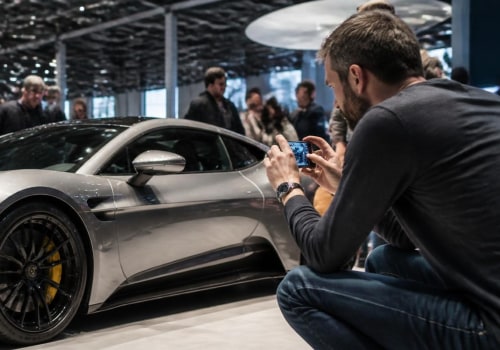
- Consumer Engagement: These events facilitate direct interaction between brands and consumers. Attendees can experience vehicles firsthand, ask questions, and provide immediate feedback, which is invaluable for manufacturers.
- Networking Opportunities: Motor shows attract not only consumers but also industry experts, journalists, and influencers.
This creates opportunities for networking that can lead to partnerships, collaborations, and increased media coverage.
Future Trends in Motor Shows
The landscape of motor shows is evolving rapidly, driven by technological advancements and changing consumer expectations. As we look to the future, several key trends are emerging that will redefine how these exhibitions are conducted and experienced.Virtual and Hybrid Events
One of the most significant shifts in the automotive exhibition space is the rise of virtual and hybrid events.The COVID-19 pandemic accelerated this trend, forcing many traditional motor shows to adapt. Virtual platforms allow manufacturers to showcase their latest models to a global audience without the constraints of physical space. This not only broadens reach but also reduces costs associated with logistics and setup.
Sustainability Initiatives
As environmental concerns become increasingly prominent, sustainability is becoming a core focus for motor shows. Organizers are implementing eco-friendly practices, such as using renewable energy sources, reducing waste, and promoting electric vehicles.Many shows are now featuring dedicated sections for sustainable automotive technologies, highlighting innovations that align with global sustainability goals.
Enhanced Interactivity
Future motor shows will likely emphasize interactivity to engage attendees more effectively. This includes augmented reality (AR) and virtual reality (VR) experiences that allow visitors to explore vehicles in immersive environments. Such technologies can provide potential buyers with a more engaging way to experience new models, enhancing their decision-making process.Focus on Experience
The future of automotive exhibitions will also prioritize the overall experience of attendees. This means creating environments that foster community and connection among car enthusiasts.Interactive workshops, live demonstrations, and Q&A sessions with industry experts can enhance visitor engagement and create memorable experiences.In conclusion, the future of motor shows is set to be shaped by innovation and a commitment to sustainability. As these trends continue to develop, they will not only transform how manufacturers present their vehicles but also how consumers interact with the automotive industry as a whole.
Frequently Asked Questions About Motor Shows
Motor shows are exciting events that showcase the latest innovations in the automotive industry. Here are some frequently asked questions about motor shows that can help you understand what to expect and how to make the most of your visit.- What is a motor show?
A motor show is an exhibition where automobile manufacturers present their latest models, technologies, and concepts. These events often feature new car launches, interactive displays, and opportunities for attendees to engage with industry experts. - When did the first motor show take place?
The first recognized motor show was held in Paris in 1898.This event marked the beginning of a tradition that has grown into a global phenomenon, with major shows now taking place in cities like Frankfurt, Detroit, and Tokyo.
- Why are motor shows important?
Motor shows serve as a platform for manufacturers to unveil new products and technologies. They also provide consumers with a chance to see vehicles up close, compare models, and gather information before making purchasing decisions. - What can I expect at a motor show?
Attendees can expect to see a wide range of vehicles, from concept cars to production models. Many shows also include test drives, seminars, and opportunities to meet automotive professionals. - How do I prepare for a motor show?
To make the most of your experience, consider the following tips:- Plan your visit by checking the schedule of events and exhibitors.
- Wear comfortable shoes as you may be walking for long periods.
- Bring a notepad or use your smartphone to take notes on vehicles you’re interested in.
- Engage with representatives from manufacturers to ask questions about their products.
Conclusion: The Legacy of Motor Shows
In conclusion, the history of motor shows is a testament to the evolution of the automotive industry and its profound impact on society. From the inaugural event in Paris in 1898, which showcased the burgeoning world of motor vehicles, to the grand exhibitions we see today, these shows have played a pivotal role in shaping consumer preferences and industry standards.Throughout the years, motor shows have served as a platform for manufacturers to unveil groundbreaking technologies and innovative designs.They have not only highlighted the competitive spirit among automakers but have also provided a glimpse into the future of transportation. The excitement generated at these events often translates into significant sales boosts for new models, demonstrating their importance in marketing strategies.Moreover, motor shows have fostered a sense of community among automotive enthusiasts, industry professionals, and consumers alike. They create an environment where individuals can connect over their shared passion for cars, while also allowing manufacturers to engage directly with their audience. This interaction is crucial for understanding consumer needs and preferences.As we look to the future, it is clear that motor shows will continue to adapt to changing technologies and consumer behaviors.
With the rise of electric vehicles and autonomous driving technology, these events will likely evolve to showcase not just cars but also the broader ecosystem of mobility solutions.In summary, the legacy of motor shows is one of innovation, community, and transformation. They remain a vital part of the automotive landscape, reflecting both historical milestones and future possibilities in the world of transportation.