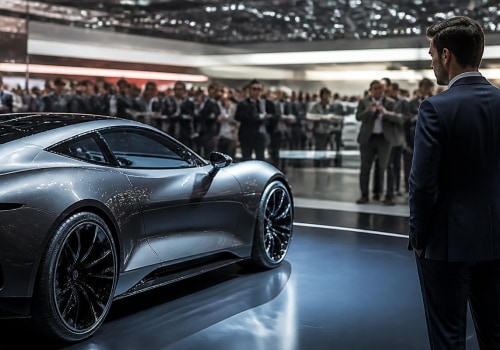
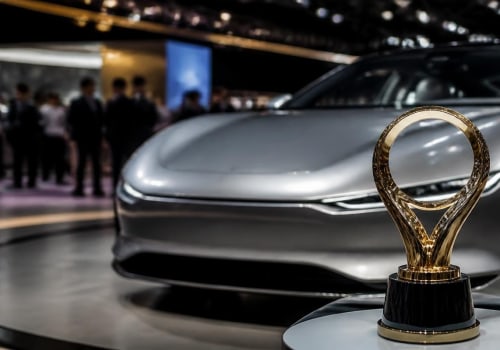
Motor shows have long been a cornerstone of the automotive industry, serving as vibrant platforms where manufacturers unveil their latest innovations and concepts. These events attract enthusiasts, industry professionals, and media from around the globe, creating a unique atmosphere that celebrates automotive engineering and design. However, as the world increasingly grapples with environmental challenges, the role of motor shows is evolving. They are not just about showcasing horsepower and luxury; they are also becoming arenas for discussing sustainability initiatives and the environmental impact of the automotive sector.In recent years, many motor shows have begun to incorporate themes of sustainability into their programming.
This shift reflects a growing awareness within the industry about the need to address climate change and reduce carbon footprints. From electric vehicles (EVs) to hybrid technologies, manufacturers are using these platforms to highlight their commitment to greener alternatives. As a result, motor shows are transforming into showcases for not only cutting-edge technology but also for responsible practices that aim to minimize environmental harm.Moreover, the integration of sustainability initiatives at motor shows extends beyond vehicle displays. Organizers are increasingly adopting eco-friendly practices in event management, such as reducing waste, utilizing renewable energy sources, and promoting public transportation options for attendees.
This holistic approach not only enhances the credibility of the automotive industry’s commitment to sustainability but also encourages attendees to consider their own environmental impact.
The Evolution of Motor Shows: A Historical Perspective
The history of motor shows dates back to the late 19th century, with the first recognized event occurring in 1898 in Paris. Initially, these exhibitions served as a platform for manufacturers to showcase their latest innovations and vehicles, reflecting the burgeoning automotive industry. As the 20th century progressed, motor shows became increasingly popular, evolving into grand spectacles that attracted thousands of visitors and industry professionals alike.Throughout the decades, motor shows have mirrored societal changes and technological advancements. The post-World War II era saw a boom in automobile production and consumerism, leading to larger and more extravagant events.The introduction of concepts like the New York International Auto Show in 1900 and the Geneva International Motor Show in 1905 marked significant milestones in the evolution of automotive events, establishing them as essential fixtures in the global automotive calendar.However, as awareness of environmental issues grew in the late 20th century, motor shows began to adapt. The oil crises of the 1970s prompted a shift towards fuel efficiency and alternative energy sources. By the early 2000s, many motor shows started to feature electric vehicles (EVs) and hybrid models prominently, signaling a significant change in focus.
Modern Motor Shows: A Shift Towards Sustainability
Today, motor shows are not just about showcasing horsepower and luxury; they are increasingly platforms for discussing sustainability and environmental responsibility. Events like the Los Angeles Auto Show have dedicated sections for green technology, highlighting innovations in electric mobility and sustainable manufacturing practices.This evolution reflects a broader trend within the automotive industry towards reducing carbon footprints and embracing eco-friendly technologies.
As manufacturers strive to meet stricter emissions regulations and consumer demand for greener options rises, motor shows will likely continue to play a pivotal role in promoting these initiatives.In conclusion, the historical trajectory of motor shows illustrates a remarkable transformation from mere exhibitions of automotive prowess to influential forums addressing critical environmental challenges. As we look to the future, it is clear that sustainability will remain at the forefront of these events, shaping not only how vehicles are presented but also how they are conceived and produced.
Current Environmental Challenges in the Automotive Industry
The automotive industry is currently grappling with a multitude of environmental challenges that have significant implications for sustainability. As global awareness of climate change intensifies, the pressure on manufacturers to reduce their carbon footprint has never been greater. One of the primary issues is the reliance on fossil fuels, which not only contributes to greenhouse gas emissions but also depletes natural resources.Additionally, the production processes involved in manufacturing vehicles often lead to substantial waste and pollution.From the extraction of raw materials to the assembly line, each stage can generate harmful emissions and byproducts. This has raised concerns about sustainability issues related to resource management and environmental degradation.Another critical challenge is the increasing demand for electric vehicles (EVs). While EVs are touted as a cleaner alternative, their production still poses environmental risks, particularly concerning battery manufacturing. The mining of lithium, cobalt, and other essential minerals can result in habitat destruction and water pollution, highlighting the need for more sustainable sourcing practices.Moreover, the automotive industry faces scrutiny over end-of-life vehicle disposal.
Many components are not recyclable or biodegradable, leading to significant landfill waste. This situation underscores the importance of developing circular economy practices that prioritize recycling and reusing materials.In light of these challenges, motor shows have become pivotal platforms for showcasing sustainability initiatives. They provide an opportunity for manufacturers to present innovative technologies and practices aimed at mitigating these environmental impacts. By addressing these pressing issues at motor shows, the industry can foster a more sustainable future while engaging consumers in meaningful conversations about their choices.
Sustainability Initiatives at Major Motor Shows
As the automotive industry faces increasing scrutiny over its environmental impact, major motor shows around the globe are stepping up with innovative sustainability initiatives.These events are not only showcasing the latest in automotive technology but also leading the charge towards a more sustainable future.One notable example is the Geneva International Motor Show , which has implemented a comprehensive waste management program. This initiative includes recycling stations throughout the venue and a commitment to reducing single-use plastics. The show organizers have also partnered with local environmental groups to ensure that all waste is sorted and processed correctly.Similarly, the Los Angeles Auto Show has embraced eco-friendly practices by featuring electric and hybrid vehicles prominently. The event has introduced a Green Car Journal award, recognizing manufacturers that prioritize sustainability in their designs.
Additionally, the show has made strides in reducing its carbon footprint by utilizing renewable energy sources to power the event.In Europe, the Frankfurt Motor Show has taken significant steps towards sustainability by promoting digital solutions. The event has reduced printed materials and encouraged exhibitors to use digital displays instead. This shift not only minimizes paper waste but also enhances the visitor experience through interactive technology.Moreover, many motor shows are now incorporating carbon offset programs. For instance, attendees can contribute to local reforestation projects or renewable energy initiatives as part of their ticket purchase.
This approach not only raises awareness about environmental issues but also actively involves participants in making a positive impact.Overall, these sustainability initiatives at major motor shows reflect a growing commitment within the automotive industry to embrace eco-friendly practices. By prioritizing sustainability, these events are setting an example for future automotive exhibitions and encouraging manufacturers to innovate responsibly.
Case Studies: Successful Environmental Programs at Motor Shows
As the automotive industry increasingly embraces sustainability, several motor shows have implemented innovative environmental programs that serve as exemplary case studies. These initiatives not only reduce the ecological footprint of the events but also promote awareness and engagement among attendees.1.The Geneva International Motor Show
The Geneva International Motor Show has made significant strides in sustainability by introducing a comprehensive waste management system. In 2019, the show achieved a recycling rate of over 80% by implementing strict waste segregation practices.Attendees were encouraged to dispose of their waste in designated bins, which were clearly marked for recycling, composting, and general waste. This initiative not only minimized landfill contributions but also educated visitors on proper waste disposal methods.
2.The Los Angeles Auto Show
The Los Angeles Auto Show has taken a bold step towards sustainability by partnering with local organizations to offset its carbon emissions. In 2020, the show launched a program that calculated the total carbon footprint of the event and invested in local reforestation projects to offset these emissions. This initiative not only contributed to environmental restoration but also highlighted the importance of corporate responsibility in the automotive sector.3.The Tokyo Motor Show
In 2021, the Tokyo Motor Show introduced an innovative digital platform that reduced the need for physical materials.By offering virtual tours and digital showcases, the event significantly decreased paper usage and transportation emissions associated with traditional motor shows. This shift not only catered to a tech-savvy audience but also set a precedent for future events aiming to minimize their environmental impact.These case studies illustrate that motor shows can effectively implement sustainability programs that resonate with both exhibitors and attendees. By adopting eco-friendly practices, these events not only enhance their reputation but also contribute positively to global sustainability efforts.
The Role of Automakers in Promoting Sustainability at Motor Shows
As the automotive industry faces increasing pressure to address climate change and environmental concerns, automakers are stepping up their efforts to promote sustainability at motor shows. These events serve as a platform for manufacturers to showcase not only their latest models but also their commitment to green technologies and sustainable practices.Innovative Technologies
- Electric Vehicles (EVs): Many automakers are unveiling cutting-edge electric vehicles that promise zero emissions and reduced carbon footprints.
By highlighting these models at motor shows, manufacturers aim to shift consumer perceptions and encourage the adoption of cleaner alternatives.
- Hybrid Technologies: In addition to fully electric options, hybrid vehicles are also prominently featured. These models combine traditional engines with electric power, offering a transitional solution for consumers who may not be ready to fully commit to EVs.
- Sustainable Materials: Automakers are increasingly using recycled and eco-friendly materials in their vehicle production. At motor shows, they often showcase interiors made from sustainable fabrics and components that minimize environmental impact.
These commitments are often highlighted during motor shows, where companies can share their roadmaps and engage with environmentally conscious consumers.
Collaborative Efforts
Beyond individual initiatives, automakers are also collaborating with governments and NGOs to promote sustainability. Joint ventures aimed at developing charging infrastructure for electric vehicles or investing in renewable energy sources are frequently discussed at these events, showcasing a united front in the fight against climate change.In conclusion, motor shows have become vital venues for automakers to demonstrate their dedication to sustainability. By showcasing innovative technologies, committing to carbon neutrality, and engaging in collaborative efforts, manufacturers are not only enhancing their brand image but also contributing positively to the environment.Public Perception and Consumer Awareness of Sustainability at Motor Shows
As the automotive industry evolves, public perception regarding sustainability at motor shows has become increasingly significant. Consumers are more informed than ever about environmental issues, and this awareness is shaping their expectations of automotive events.Motor shows are no longer just platforms for showcasing new models; they are also arenas where manufacturers can demonstrate their commitment to sustainability.Many attendees now actively seek out information on how automakers are addressing environmental concerns. This shift in consumer behavior has prompted organizers of motor shows to incorporate sustainability initiatives into their events. For instance, some shows have begun to feature dedicated sections for electric vehicles (EVs) and hybrid models, highlighting advancements in eco-friendly technology.
Impact of Consumer Awareness
The growing consumer awareness surrounding sustainability is influencing not only the types of vehicles displayed but also the overall experience at motor shows. Attendees are increasingly interested in:- Carbon footprint reduction: Many motor shows are implementing measures to minimize their environmental impact, such as using renewable energy sources and reducing waste.
- Innovative technologies: Consumers are eager to learn about new technologies that promote sustainability, such as battery recycling and sustainable manufacturing practices.
- Corporate responsibility: Brands that showcase their sustainability efforts tend to attract more positive attention from the public, enhancing their reputation.
As consumers demand more transparency and accountability from manufacturers, motor shows serve as a critical platform for brands to communicate their sustainability initiatives effectively.In conclusion, the interplay between public perception and consumer awareness regarding sustainability is reshaping the landscape of motor shows. As these events continue to evolve, they will likely play a pivotal role in promoting sustainable practices within the automotive industry.
Future Trends: The Next Generation of Sustainable Motor Shows
As we look towards the future, motor shows are poised to embrace a new era of sustainability that reflects the growing awareness of environmental issues. The automotive industry is undergoing a significant transformation, and upcoming events are likely to showcase this shift through innovative practices and technologies.Electric and Hybrid Vehicles
will take center stage at future motor shows, with manufacturers increasingly focusing on showcasing their latest models that prioritize energy efficiency and reduced emissions. This trend not only aligns with global sustainability goals but also caters to a consumer base that is becoming more environmentally conscious.In addition to vehicle innovations, sustainable practices at automotive events will likely include:- Eco-friendly Materials: Exhibitors may utilize sustainable materials for booths and displays, reducing waste and promoting recycling.
- Digital Engagement: Virtual reality (VR) and augmented reality (AR) technologies can minimize the need for physical materials, allowing attendees to experience vehicles in an immersive digital environment.
- Carbon Offsetting: Organizers might implement carbon offset programs to balance the environmental impact of hosting large-scale events.
- Sustainable Transportation: Encouraging attendees to use public transport or providing electric shuttles can significantly reduce the carbon footprint associated with travel to and from the event.
As we move into 2024 and beyond, these events will likely serve as platforms for manufacturers to demonstrate their commitment to a greener future. By adopting these practices, motor shows can lead by example, inspiring both industry stakeholders and consumers to prioritize sustainability in their choices.Ultimately, the future of motor shows will hinge on their ability to adapt and innovate in response to environmental challenges. As the automotive landscape continues to evolve, so too will the events that celebrate it, paving the way for a more sustainable and responsible industry.
FAQs About Sustainability Initiatives at Motor Shows
As the automotive industry evolves, many attendees and exhibitors at motor shows are increasingly concerned about the environmental impact of these events. Here are some frequently asked questions regarding sustainability initiatives at motor shows:- What sustainability initiatives are commonly implemented at motor shows?
Many motor shows have adopted various initiatives such as: - Carbon offset programs: Organizers often invest in projects that reduce carbon emissions to offset the environmental impact of the event.
- Waste reduction strategies: This includes recycling programs and minimizing single-use plastics throughout the venue.
- Green transportation options: Encouraging attendees to use public transport, carpool, or utilize electric vehicles to reach the venue.
- How do motor shows measure their environmental impact?
Organizers typically conduct assessments that include: - Calculating the total carbon footprint of the event, including travel, energy use, and waste generation.
- Gathering feedback from exhibitors and attendees on sustainability practices.
- Monitoring waste diversion rates to evaluate recycling and composting efforts.
- Are there any notable examples of sustainable motor shows?
Yes, several motor shows have set benchmarks for sustainability: - The Geneva International Motor Show has implemented extensive recycling programs and promotes electric vehicles.
- The Los Angeles Auto Show features a dedicated section for eco-friendly vehicles and sustainable technologies.
- What can attendees do to support sustainability at motor shows?
Attendees can contribute by: - Using public transportation or carpooling to reduce their carbon footprint.
- Participating in recycling programs available at the venue.
- Engaging with exhibitors who prioritize sustainable practices and products.
Conclusion: The Importance of Sustainability in the Future of Motor Shows
As we look towards the future of motor shows, it is clear that sustainability must be at the forefront of their evolution.The automotive industry is undergoing a significant transformation, driven by the urgent need to address environmental concerns and reduce carbon footprints. This shift is not just a trend; it is a necessity for the survival of both the industry and the planet.Throughout this article, we have explored various initiatives that motor shows are implementing to promote sustainability. From showcasing electric vehicles to adopting eco-friendly materials in their exhibitions, these events are becoming platforms for innovation and change. The integration of sustainable practices is not only beneficial for the environment but also enhances the reputation of motor shows as forward-thinking and responsible.
Key Takeaways:
- Sustainability initiatives are essential for aligning with global environmental goals.
- Motor shows serve as a critical venue for manufacturers to demonstrate their commitment to eco-friendly technologies.
- Engaging consumers in sustainability discussions can lead to increased awareness and demand for greener options.
- The collaboration between automakers, event organizers, and local communities can amplify the impact of these initiatives.
As these events continue to evolve, they must embrace their role as catalysts for change within the automotive industry. By prioritizing environmental responsibility, motor shows can not only attract a more conscious audience but also contribute significantly to a more sustainable future for all.