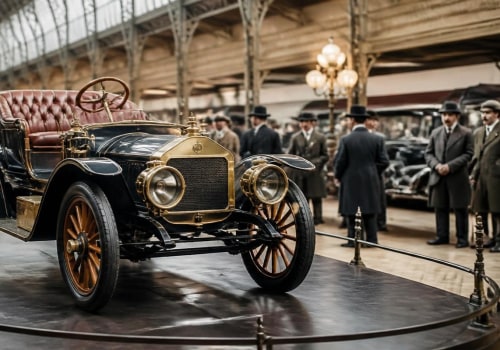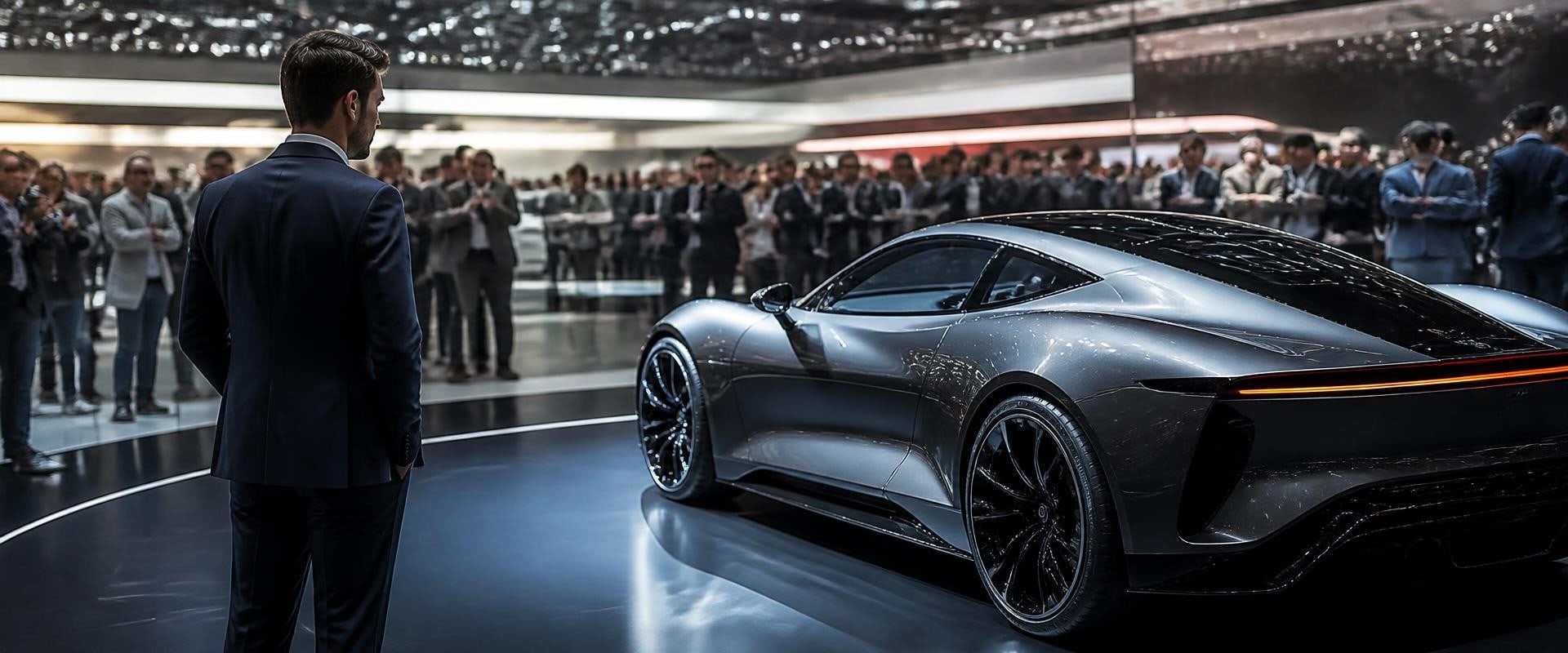
The history of motor shows dates back to the late 19th century, a time when the automotive industry was in its infancy. The first recognized motor show took place in Paris in 1898, showcasing a handful of innovative vehicles that captured the imagination of the public. As the automobile gained popularity, these exhibitions evolved from small gatherings into grand events that attracted manufacturers, enthusiasts, and the media alike. This transformation marked the beginning of a new era in automotive marketing and consumer engagement. Throughout the 20th century, motor shows became pivotal platforms for manufacturers to unveil their latest models and technological advancements.
The introduction of iconic events like the Frankfurt Motor Show in Germany and the North American International Auto Show in Detroit highlighted the global nature of the automotive market. These exhibitions not only showcased vehicles but also served as a barometer for industry trends, influencing design and engineering standards worldwide. As we moved into the 21st century, the format of motor shows began to adapt to changing consumer behaviors and technological advancements. The rise of digital media and online marketing has prompted many manufacturers to rethink their strategies, leading to a blend of traditional exhibitions with virtual experiences. This evolution reflects a broader trend within the automotive industry, where innovation is not just about the vehicles themselves but also about how they are presented to an increasingly tech-savvy audience.
The Purpose of Motor Shows Today
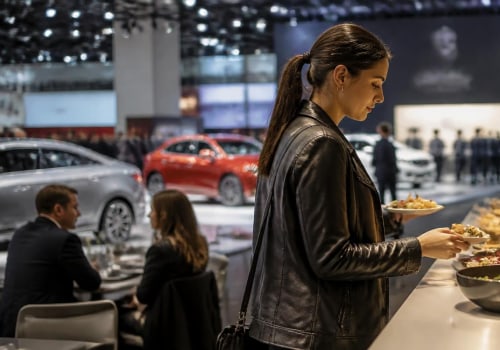
Motor shows serve multiple vital purposes in the contemporary automotive landscape, acting as a nexus for manufacturers, consumers, and industry professionals alike.One of the primary functions of these events is to showcase new models. Automakers unveil their latest innovations, from cutting-edge electric vehicles to advanced safety features, allowing attendees to experience the future of driving firsthand.Additionally, motor shows provide an invaluable platform for fostering industry connections. Manufacturers, suppliers, and dealers gather under one roof, facilitating networking opportunities that can lead to collaborations and partnerships. This interaction is crucial for staying ahead in a rapidly evolving market where technology and consumer preferences are constantly changing.Another significant aspect of motor shows is their role in engaging consumers.
Attendees have the chance to interact with vehicles up close, participate in test drives, and attend presentations by industry experts. This hands-on experience helps consumers make informed decisions about their purchases while also generating excitement around new releases.
- Showcasing Innovations: Motor shows highlight the latest technological advancements in the automotive sector.
- Networking Opportunities: Industry professionals can connect and collaborate on future projects.
- Consumer Engagement: Attendees can experience vehicles firsthand, enhancing their purchasing knowledge.
Key Features of Modern Motor Shows
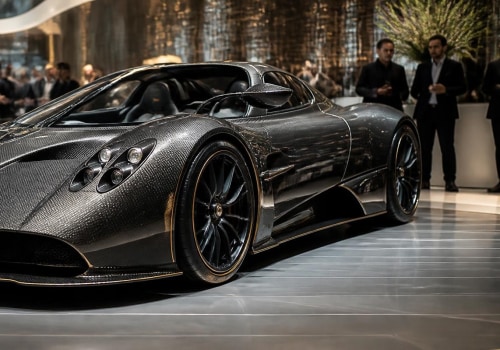
Modern motor shows are vibrant events that showcase the latest innovations in the automotive industry. They serve as a platform for manufacturers to unveil new models, technologies, and concepts, making them a must-visit for car enthusiasts and industry professionals alike.- Vehicle Unveilings: One of the most anticipated features of any motor show is the unveiling of new vehicles.
Major brands often choose these events to debut their latest models, which can include everything from electric vehicles to luxury sports cars. Attendees can witness these unveilings live, often accompanied by elaborate presentations that highlight the vehicle's unique features.
- Interactive Exhibits: Modern motor shows are not just about looking at cars; they offer interactive experiences that engage visitors. Many exhibitors set up virtual reality stations where attendees can experience driving simulations or explore the interior of a car in 3D. This hands-on approach allows visitors to connect with the vehicles on a deeper level.
- Technology Showcases: As technology continues to evolve, motor shows have become a hub for showcasing cutting-edge automotive technology.
From advanced driver-assistance systems (ADAS) to innovative infotainment solutions, these exhibits provide insights into how technology is shaping the future of driving.
- Networking Opportunities: For industry professionals, motor shows offer invaluable networking opportunities. Manufacturers, suppliers, and media representatives gather in one place, facilitating discussions that can lead to collaborations and partnerships.
- Attractions and Entertainment: Beyond the cars themselves, modern motor shows often feature various attractions such as live demonstrations, celebrity appearances, and even entertainment acts. These elements enhance the overall experience and make it enjoyable for attendees of all ages.
The Economic Impact of Motor Shows
Motor shows play a significant role in boosting the local economy and the broader automotive industry.These events attract thousands of visitors, including car enthusiasts, industry professionals, and media representatives, creating a surge in tourism that benefits local businesses.
Tourism and Local Business Growth
- Hotels and accommodations see increased bookings as attendees travel from various regions.
- Restaurants and cafes experience higher foot traffic, leading to increased sales.
- Local retailers often capitalize on the influx of visitors by offering promotions and special events.
Job Creation
Hosting a motor show requires a substantial workforce, from event organizers to security personnel. This demand for labor can lead to temporary job creation in various sectors:
- Event management companies hire staff for planning and execution.
- Local vendors may need additional employees to handle increased customer volume.
- Service industries, such as transportation and logistics, benefit from heightened activity.
Long-Term Economic Benefits
The impact of motor shows can resonate long after the event concludes.
Successful shows can enhance a city’s reputation as a hub for automotive innovation, attracting future events and investments. This ongoing interest can lead to:
- Increased infrastructure development to support future events.
- A boost in local automotive-related businesses, such as dealerships and service centers.
- A more vibrant community that fosters innovation and entrepreneurship in the automotive sector.
Motor Shows vs. Other Automotive Events
When discussing motor shows, it’s essential to differentiate them from other automotive events such as auto expos and car fairs. Each type of event serves a unique purpose and attracts different audiences, which can significantly influence the automotive industry.Motor Shows vs.
Auto ExposMotor shows are typically larger, more prestigious events that showcase the latest innovations in the automotive world. They often feature major manufacturers unveiling new models, concept cars, and cutting-edge technology. In contrast, auto expos tend to be more localized and may focus on a broader range of vehicles, including used cars and aftermarket products. While both events aim to attract car enthusiasts, motor shows are more about brand prestige and innovation.
Differences Between Motor Shows and Car Fairs
Car fairs, on the other hand, are generally more community-oriented.They often include a mix of new and used vehicles for sale, catering to consumers looking for practical purchasing options rather than the latest in automotive technology. Unlike motor shows, which can feature elaborate displays and presentations, car fairs are usually simpler in setup and focus on direct sales.
Types of Automotive Events
- Motor Shows: High-profile events showcasing new models and innovations.
- Auto Expos: Localized events featuring a variety of vehicles, including used cars.
- Car Fairs: Community-focused gatherings aimed at selling vehicles directly to consumers.
- Trade Shows: Industry-specific events where manufacturers and suppliers network.
- Rallies: Events focused on driving experiences rather than sales or displays.
Future Trends in Motor Shows
As the automotive industry continues to evolve, motor shows are adapting to reflect the changing landscape. One of the most significant trends shaping the future of these exhibitions is the integration of virtual events.With advancements in technology, many manufacturers are exploring hybrid formats that combine in-person experiences with online accessibility. This shift not only broadens the audience reach but also allows for interactive features such as live Q&A sessions and virtual test drives, enhancing engagement.Another critical trend is the emphasis on sustainability. As environmental concerns become increasingly prominent, motor shows are prioritizing eco-friendly practices. This includes showcasing electric vehicles (EVs) and hybrid models, as well as implementing sustainable materials and practices in event planning.
For instance, organizers are reducing waste by opting for digital brochures instead of printed materials and encouraging exhibitors to use recyclable displays.Moreover, the rise of smart technology is influencing how vehicles are presented at motor shows. Innovations such as augmented reality (AR) and virtual reality (VR) are being utilized to create immersive experiences that allow attendees to explore vehicles in a more engaging manner. These technologies enable potential buyers to visualize features and functionalities that may not be easily conveyed through traditional displays.In summary, the future of motor shows is poised for transformation through virtual engagement, sustainability initiatives, and cutting-edge technology. As these trends continue to develop, they will redefine how automotive exhibitions operate, ensuring they remain relevant and appealing to a diverse audience.
Frequently Asked Questions About Motor Shows
Motor shows are exciting events that attract automotive enthusiasts, industry professionals, and the general public alike.Here are some frequently asked questions about motor shows that can help you navigate these vibrant exhibitions.
What can I expect to see at a motor show?
Motor shows typically feature:- New vehicle launches: Major manufacturers often unveil their latest models.
- Concept cars: Innovative designs that may not yet be in production.
- Interactive displays: Opportunities to engage with technology and features.
- Industry panels: Discussions on trends and future developments in the automotive sector.
How should I prepare for attending a motor show?
To make the most of your visit, consider the following tips:- Plan your visit: Check the schedule for special events or presentations you want to attend.
- Wear comfortable shoes: You’ll likely be walking a lot, so comfort is key.
- Stay hydrated: Bring a water bottle to keep your energy up throughout the day.
- Take notes: Jot down your thoughts on vehicles you like or information you find useful.
Are motor shows suitable for families?
Absolutely! Many motor shows offer family-friendly activities, including:- Kid zones: Areas designed for children with games and interactive exhibits.
- Photo opportunities: Chances to take pictures with cars and mascots.
- Workshops: Educational sessions that engage both kids and adults in automotive topics.
Conclusion: The Lasting Significance of Motor Shows
In conclusion, motor shows serve as a vital platform for the automotive industry, bringing together manufacturers, enthusiasts, and consumers in a dynamic environment. Throughout this article, we have explored the multifaceted purposes of these events, highlighting their role in showcasing innovation, fostering industry connections, and enhancing consumer engagement.One of the primary functions of motor shows is to unveil new models and technologies. These events allow manufacturers to present their latest advancements, from electric vehicles to cutting-edge safety features. This not only generates excitement among attendees but also sets the stage for future trends in the automotive market.Moreover, motor shows act as a networking hub for industry professionals.They provide opportunities for collaboration and partnerships that can lead to groundbreaking developments in automotive technology. The exchange of ideas and insights at these events can significantly influence the direction of the industry.Additionally, motor shows play a crucial role in consumer education. By allowing potential buyers to experience vehicles firsthand, these events help demystify the purchasing process. Attendees can compare different models, learn about features directly from experts, and gain a deeper understanding of what they are investing in.As we look to the future, the significance of motor shows remains undiminished.
They continue to adapt to changing consumer preferences and technological advancements, ensuring that they remain relevant in an ever-evolving landscape. In essence, motor shows are not just exhibitions; they are celebrations of innovation and community within the automotive world.